
Plants
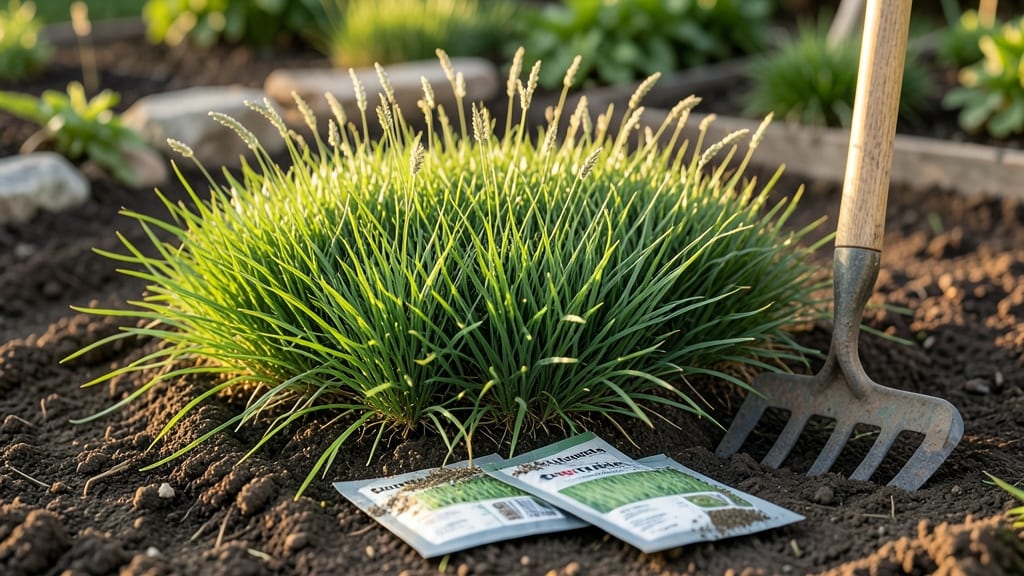
To plant grass seed in Seattle, aim for early September to mid-October or early April to mid-May when soil temps and moisture align perfectly for germination.
Seattle’s unpredictable weather can turn your grass-seeding project into a gamble—unless you plant at the perfect time for your microclimate. Get it wrong, and you’ll battle weeds or sparse growth; time it right, and you’ll enjoy a lush lawn all season long.
Cool-season grasses like Kentucky bluegrass and fescue thrive in Seattle’s 60-70°F soil, which is why fall and spring are the ideal windows. The city’s 8a climate and frequent rain mean summer planting is a risky bet—heat stress and fungal risks spike when seeds struggle to establish.
Below, I break down the exact timing for your neighborhood, soil prep secrets to lock in moisture, and how to adjust for Seattle’s urban heat islands or rainy Westside zones. No more guesswork—just a thick, green lawn that lasts.
Seattle’s best grass-seeding windows: month-by-month breakdown for optimal germination
Seattle’s cool, wet climate favors cool-season grasses like Kentucky bluegrass and fescue, which thrive when planted during mild temperatures and consistent moisture.
Unlike warm-season grasses (rare here), these varieties germinate best in early fall or spring, avoiding the heat stress of summer or the dormancy risks of winter.
Timing isn’t just about the calendar—it’s about soil temperatures (ideal: 50–65°F) and rainfall patterns, which vary dramatically across Seattle’s urban, suburban, and rural microclimates.
Urban areas like Downtown Seattle experience heat islands that dry out soil faster, while Westside neighborhoods stay damp longer due to higher humidity. Rural areas near Lake Washington or the Cascades foothills may see earlier frosts or cooler springs.
Adjusting your seeding schedule by even a few weeks can mean the difference between a thick, weed-free lawn and a patchy, weed-infested mess. Let’s break it down month by month to help you pick the perfect window for your specific zone.
For urban Seattle, where concrete and pavement create heat islands, soil can stay 10–15°F warmer than rural areas. This means April seeding might work slightly later (mid-April) compared to suburban or rural zones, where cooler soils delay germination.
Always check soil temperature with a soil thermometer—if it’s above 70°F, wait for fall. In West Seattle, where humidity lingers, seeds can germinate faster, but fungal risks increase, so use fungicide-treated seed
How Seattle’s microclimates affect grass-seeding success: urban heat islands vs. rain shadows
Seattle’s diverse microclimates can make all the difference when planting grass seed. The downtown core often feels like a heat island, where asphalt and buildings trap warmth, while the Eastside experiences drier conditions due to rain shadows.
Meanwhile, the Westside stays lush and humid, thanks to ocean breezes. These variations mean your grass-seeding strategy should change based on where you live in the city.
In downtown areas, soil can stay warmer longer into fall, delaying dormancy. This means you might need to seed slightly earlier (late August) to avoid heat stress. On the Eastside, where summers are drier, focus on deep watering and drought-resistant grass varieties like tall fescue.
The Westside’s higher humidity requires vigilance against fungal diseases, so proper drainage becomes critical.
Here’s how to adjust your approach for each zone:
Key Adjustments by Microclimate
- Downtown: Seed by late August to avoid heat; use shade-tolerant varieties.
- Eastside: Prioritize deep watering (1-1.5") and drought-resistant grasses.
- Westside: Improve drainage and avoid overwatering to prevent fungal issues.
Soil prep is another critical factor. In heat-prone areas, loosen the top 4-6 inches of soil to help moisture penetrate deeper, while humid zones benefit from adding sand or perlite to improve aeration.
Test your soil’s pH level—Seattle’s acidic soils often need lime to reach the ideal 6.0-7.0 range for grass growth.
Watering habits must also shift. Downtown and Eastside lawns may need less frequent but deeper watering (1-1.5 inches per week), while Westside areas might require lighter, more frequent watering to prevent waterlogging. Always water in the early morning to reduce evaporation and fungal risks.
Choose grass seed blends tailored to your zone. For downtown’s heat, opt for fine fescue mixes that thrive in cooler, shaded spots. Eastside lawns do well with tall fescue or Kentucky bluegrass, while Westside areas benefit from mixed cool-season blends with disease resistance.
Mulch lightly with straw to retain moisture without smothering new shoots.
By aligning your grass-seeding strategy with Seattle’s microclimates, you’ll avoid common pitfalls like sparse growth or fungal outbreaks. With the right adjustments, your lawn will establish strong roots and stay vibrant year-round—no matter where you live in the Emerald City. 🌿