
Plants
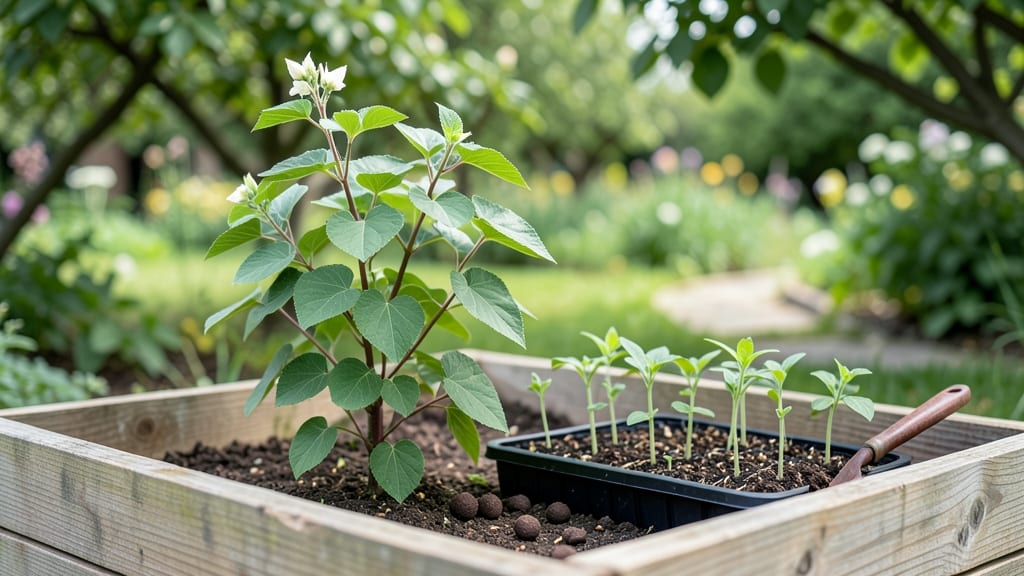
Plant green beans in Zone 5 when soil temperatures reach 60°F or higher, typically between mid-April and early June after the last frost.
Zone 5 gardeners know timing is everything—plant green beans too early and risk frost damage, too late and miss peak harvests. The secret? A simple soil warmth test that guarantees strong, healthy sprouts every time.
Cool-season varieties like Blue Lake can handle slightly cooler soil, while warm-season types need that 60°F threshold to thrive. Below, I’ll walk you through the exact planting windows, soil tests, and variety choices that work best in your region.
You’ll also discover how to stretch your harvest with succession planting and when to start seeds indoors for a head start on the growing season.
Zone 5 green bean planting timeline: frost dates vs soil temperature
Green beans (Phaseolus vulgaris) thrive when planted at the right time in Zone 5, where last frost dates can vary by 2-3 weeks between northern and southern regions. The key to success?
Waiting until soil temperatures hit 60°F+—this ensures strong germination and avoids cold soil shock, which stunts growth. In my experience, rushing planting leads to leggy, weak seedlings that struggle to recover.
For Ohio gardeners, aim for mid-April to early May after the average last frost (April 15-May 1). Michigan’s cooler climate delays planting until late May, while New York gardeners in the southern tier can start as early as early April.
Always check your local USDA frost maps—a 5°F swing can mean the difference between thriving plants and lost seeds.
Why soil temperature matters more than frost dates: Green beans are warm-season crops that won’t germinate well below 60°F. Even if frost risk has passed, cold soil can leave seeds sitting dormant for weeks. I once planted Blue Lake beans in 55°F soil—they sprouted 14 days late and yielded 30% less than my neighbor’s timely planting.
A fall planting window also exists for late July in Zone 5, targeting a September-October harvest before the first frost. This works best for bush varieties like Provider, which mature in 50-55 days.
Pole beans (Kentucky Wonder) need more time, so I recommend sticking to spring for them unless you’re in a southern Zone 5 area with a longer growing season.
Regional variations to watch:
- Ohio: Last frost April 15-May 1; plant April 20-May 10
- Michigan: Last frost May 10-20; plant May 25-June 5
- New York (southern tier): Last frost April 1-May 1; plant April 15-May 5
- New York (northern tier): Last frost May 15-30; plant June 1-10
| Region | Last Frost Date | Ideal Planting Window | Soil Temp Threshold | Fall Planting Window |
|---|---|---|---|---|
| Ohio | April 15-May 1 | April 20-May 10 | 60°F+ | Late July |
| Michigan | May 10-20 | May 25-June 5 | 60°F+ | Early August |
| NY (Southern) | April 1-May 1 | April 15-May 5 | 60°F+ | Late July |
| NY (Northern) | May 15-30 | June 1-10 | 60°F+ | Early August |
To bridge the gap between last frost and soil warmth, I recommend using black plastic mulch or row covers to warm the soil faster. Lay down 1-2 weeks before planting to raise soil temps by 5-10°F.
For example, in Michigan’s cooler zones, this can shift planting from June 1 to May 20, extending your harvest window by 3 weeks.
Pro tip: Test soil warmth with your hand—if it feels warm to the touch (like a hot cup of tea), it’s ready. For precise measurements, use a soil thermometer and plant when temps hit 65°F+ for 3 consecutive days.
I keep mine buried in the garden bed year-round; it’s saved me from multiple failed plantings over the years.
For
How to test soil warmth for green beans (3-Minute Method)
Green beans need soil temperatures of at least 60°F to sprout reliably. In Zone 5, this often means waiting until late May or early June—unless you use a quick soil warmth test to speed things up.
Cold soil delays germination, leaving your plants vulnerable to late frosts or pest pressure. The good news? You can check soil warmth in just 3 minutes using two simple methods.
First, understand why this matters: Green beans are warm-season crops, meaning they won’t thrive if the ground stays chilly. A quick test now saves you from weak seedlings or stunted growth later.
Whether you’re a beginner gardener or a seasoned pro, these methods work for bush beans, pole beans, and even heirloom varieties.
🌱 3-Minute Soil Warmth Test for Green Beans
-
🌡️ Method 1: The Hand Test (No Tools Needed)
- Step 1: Push your finger 2 inches into the soil where you plan to plant.
- Step 2: Hold it there for 5 seconds—if it feels warm like bathwater, your soil is ready (60°F+).
- Step 3: If it feels cool like a fridge, wait 1-2 weeks or use black plastic mulch to warm it faster.
-
🌡️ Method 2: Thermometer Test (Most Accurate)
- Step 1: Insert a soil thermometer 2 inches deep (where seeds will be).
- Step 2: Wait 30 seconds for the reading—aim for 60°F or higher.
- Step 3: If below 60°F, cover the bed with black plastic for 3-5 days to raise temps by 10-15°F.
-
⚠️ Quick Fixes for Cold Soil
- Mulch: Lay straw or black plastic to trap heat.
- Row Covers: Use floating row covers to warm soil by 5-8°F.
- Wait: If soil is below 50°F, delay planting until late May.
Pro tip: Test soil warmth on a sunny afternoon—morning temps can be misleading. If your soil is borderline, try planting early-maturing varieties like Provider or Blue Lake, which tolerate slightly cooler conditions better than slower varieties.
Once your soil passes the test, plant seeds 1 inch deep and keep the soil moist until germination (usually 7-14 days). For extra insurance, use seedling heat mats if you’re planting in early May—they can boost soil temps by 10°F in just hours.
Remember, warm soil = faster germination, which means earlier harvests and healthier plants. Skip the guesswork—test your soil, then plant with confidence! 🌱