
Plants
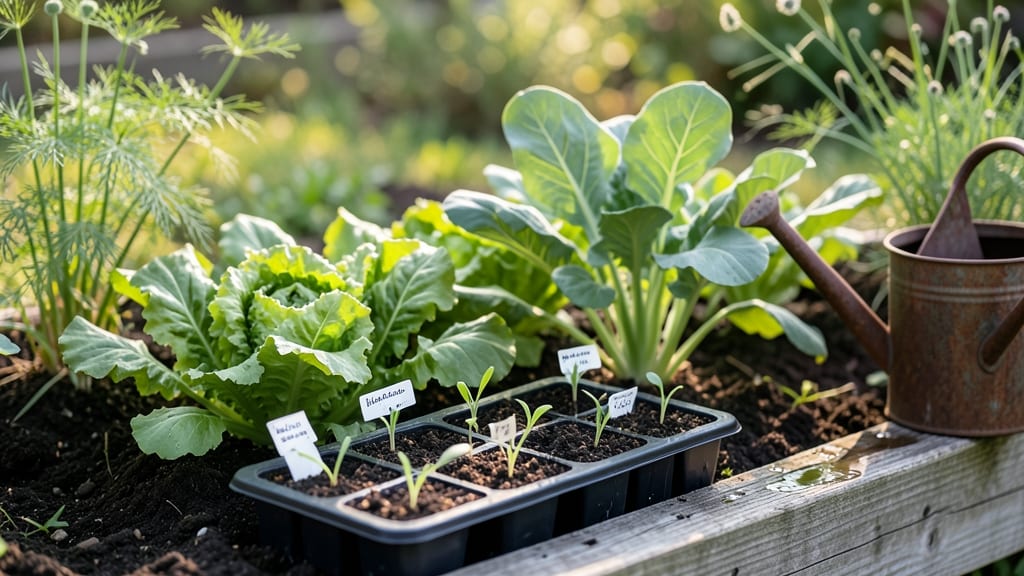
Planting leafy greens in Texas at the right time means the difference between a thriving harvest and a sad, wilted mess by noon.
Texas gardeners know the struggle—scorching summers can turn leafy greens 🥬 into wilted disappointment if planted at the wrong time. But with the right timing and heat-resistant varieties, you can enjoy fresh greens year-round.
Fall is the best window for most greens in Texas’ 8a-10b zones, with ideal planting between September and October. This avoids the brutal summer heat while letting you harvest before the first frost.
Here’s how to time your planting for maximum success, from choosing the right varieties to protecting seedlings from Texas’s unpredictable weather shifts.
Best planting times for leafy greens in Texas zones
Texas gardeners face unique challenges when growing leafy greens like spinach, kale, and lettuce.
The state’s USDA zones 8a-10b create dramatic temperature swings, but timing your plantings right can mean the difference between a thriving harvest and a sad, wilted mess. Fall and spring are your golden windows, but the exact schedule depends on whether you're in North Texas, Central Texas, or South Texas.
In North Texas (Zones 7b-8a), where first frosts can arrive as early as December 1, I start my fall greens in mid-August to give them time to mature before winter.
Meanwhile, South Texas (Zones 9a-10b) gardeners can push their fall planting until late September thanks to milder winters. This regional variation means you can’t use a one-size-fits-all approach—your location dictates your success.
Here’s the key: Cool-season greens thrive in temperatures between 45°F and 75°F. Plant too early in spring, and you’ll face bolting (premature flowering) from heat.
Plant too late in fall, and your seedlings won’t survive freezing nights. The solution? Stagger your plantings every 2-3 weeks to extend your harvest season.
For spring plantings, I wait until the soil temperature drops below 80°F—usually late February in North Texas and mid-March in South Texas.
This timing ensures your seedlings won’t bolt from the heat. Direct sowing is best, but if you’re using transplants, harden them off for 7-10 days before setting them in the ground.
Don’t forget about winter greens! In South Texas, you can even grow cool-season greens year-round with light shade cloth during peak summer. Collard greens and kale are my top picks for this strategy—they handle light frosts and even taste sweeter after a cold snap.
Just mulch heavily to protect roots from temperature swings.
If you’re in North Texas, focus on late summer plantings of heat-tolerant varieties like Swiss chard or Malabar spinach. These can handle 90°F+ days if given afternoon shade and consistent water. I’ve had success with drip irrigation to keep roots cool and moisture levels steady.
Pro tip: Use row covers or cold frames to extend your fall harvest into December. These simple tools can add 5-10°F of protection, shielding tender greens from light frosts.
Just remove them during the day to prevent overheating. I’ve seen lettuce and spinach thrive under these conditions well into winter.
Finally, always check your local frost dates—they can vary by 1-2 weeks depending on elevation and microclimates. The Texas A&M AgriLife Extension offers free frost maps tailored to your county.
With the right timing and a little planning, you can enjoy fresh greens from September through May—no wilting in sight! 🥬
Top 5 heat-tolerant greens for Texas gardens
Texas summers can be brutal for traditional greens like lettuce and spinach, but these heat-resistant varieties thrive in our climate. I’ve grown all five in my North Texas garden, and they’ve never failed me—even during 100°F+ heat waves.
The secret? Choosing varieties bred for high temperatures and proper watering techniques.
These greens don’t just survive—they produce lush harvests when most other leafy crops bolt. Whether you’re a beginner gardener or a seasoned pro, these five will keep your kitchen stocked with fresh, homegrown greens year-round. Let’s dive into my top picks and how to grow them successfully.
Malabar spinach is my #1 recommendation for Texas gardens. This vining green isn’t true spinach but grows like one and handles 110°F heat with ease. I plant it in late summer (August) when soil temps are still warm, and it thrives until first frost. Harvest the leaves as needed—they regrow quickly!
Swiss chard comes in second for its bold, colorful stems and drought tolerance. The ‘Bright Lights’ variety has rainbow-colored ribs that add beauty to your garden. Plant seeds 6-8 weeks before last frost (October in North Texas) for a winter harvest. Mulch heavily to protect roots from freeze-thaw cycles.
Third on my list is collard greens, a Southern staple that loves heat and gets sweeter after frost. I direct-sow seeds in early September for a fall-to-winter harvest.
These greens are nutrient-dense and perfect for sautéing or adding to soups. Just watch for cabbage worms—use row covers if needed.
Amaranth (like ‘Joi Choi’) is a superfood green that thrives in full sun and poor soil. It’s packed with protein and grows 3 feet tall in just 60 days. Start seeds in late spring (April) for a summer harvest before bolting. Harvest the tender young leaves for the best flavor.
Last but not least, kale (especially ‘Lacinato’ or ‘Red Russian’) handles Texas heat better than most. Plant in early fall (September) for a winter harvest.
Young leaves are tender and sweet, while mature leaves are great for chips or salads. Protect from deer with fencing—they love kale!
All five greens share one key care tip: water deeply in the morning to reduce evaporation. Use mulch to retain moisture, and avoid overhead watering to prevent fungus diseases. With these varieties, you’ll have fresh greens on your table even when your neighbors are struggling. Happy gardening! 🌱