
Plants
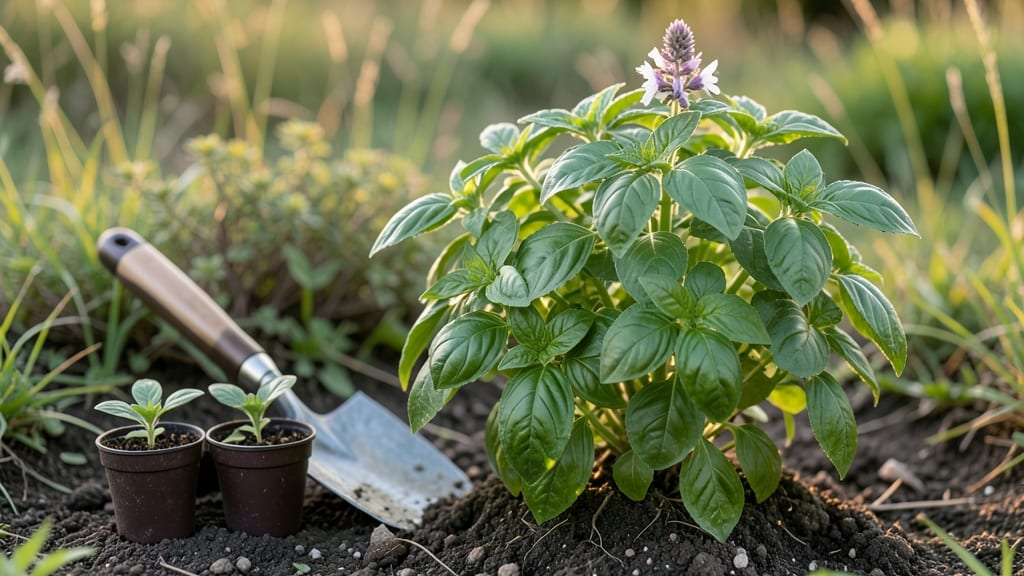
Planting herbs in Texas at the right time means the difference between a thriving kitchen garden and a sad, wilted disappointment.
Texas gardeners know timing is everything—plant your 🌿 herbs too early, and they’ll bolt in the heat; too late, and winter’s chill will stifle growth. Mastering the perfect planting windows ensures lush, flavorful herbs year-round, whether you’re in the Panhandle’s arid climate or the Gulf Coast’s humidity.
Your zone matters more than you think: North Texas freezes in December, while South Texas stays warm enough for year-round growth. I’ll break down the exact months to start seeds, transplant seedlings, and even overwinter perennials like rosemary without losing them to frost.
By the end, you’ll know not just when to plant, but how to adjust for Texas’s wild swings—so your basil doesn’t turn bitter before harvest and your thyme keeps growing through the 110°F summers.
Texas herb planting calendar by hardiness Zones (7-10)
Texas spans USDA Zones 7a-10b, creating dramatic differences in frost dates and heat intensity. In Zone 7a (Panhandle), your last frost arrives by February 15, while Zone 10b (Deep South) rarely sees frost at all.
This variance means basil thrives in summer heat zones but bolts in spring for North Texas gardeners.
Perennials like rosemary and thyme handle Texas heat year-round, but annuals like cilantro and dill demand precise timing. Plant them too early, and they’ll bolt in 60°F+ soil; too late, and winter’s chill will kill tender varieties. Let’s break down the month-by-month deadlines for each zone.
Pro Tip: Use mulch in winter to protect perennials, and provide shade cloth in summer for heat-sensitive herbs. Container gardening extends flexibility—move pots indoors during freezes or to shade during heatwaves.
| Zone | Last Frost | First Frost | Best Planting Window | Heat Threshold (°F) |
|---|---|---|---|---|
| 7a (Panhandle) | Feb 15 | Dec 1 | Mar–Apr, Sep–Oct | 90°F+ (bolt risk) |
| 8a (North TX) | Mar 1 | Nov 15 | Feb–Mar, Aug–Sep | 85°F+ (bolt risk) |
| 9a (Central TX) | Jan 15 | Nov 30 | Jan–Feb, Sep–Oct | 80°F+ (bolt risk) |
| 10a (South TX) | Dec 15 | Jan 10 | Year-round (shade in summer) | 75°F+ (bolt risk) |
| 10b (Deep South) | None | None | Year-round (shade essential) | 70°F+ (bolt risk) |
🌱 Note: Perennials (rosemary, thyme) can be planted anytime; annuals need precise timing.
In Zone 7a, start basil and oregano indoors by February 1 for transplanting after your last frost. Cilantro and dill prefer cooler temps—plant them in September to avoid bolting before winter. Rosemary and thyme thrive in Zone 7a’s heat but need mulch in winter.
For Zone 8a, begin sowing cool-season herbs (parsley, chives) in January and transition to warm-season (basil, cilantro) by March 15. Dill and fennel bolt quickly—plant them in late summer for a fall harvest. Mint spreads aggressively; contain it in pots.
Zone 9a gardeners enjoy longer growing seasons. Sow basil and cilantro in September for a fall harvest, then replant basil in March for summer. Rosemary and lavender handle the heat but need well-draining soil to prevent root rot.
In Zones 10a-10b, herbs grow year-round, but heat-sensitive varieties (cilantro, parsley) need shade cloth during 100°F+ spells. Basil and oregano thrive in summer; plant cool-season herbs in winter for spring harvests. Container gardening is ideal—move pots to shade during peak heat.
Always check soil temperature before planting—60°F+ for warm-season herbs, 50–60°F for cool-season. Use a soil thermometer to avoid bolting. Mulch retains moisture and regulates soil temp, while drip irrigation prevents fungal issues in humid zones.
🌿 Key Takeaway: Texas herb success hinges on zone-specific timing and heat management. Perennials adapt; annuals demand precision. Start with rosemary and thyme for low-maintenance greens, then
Best herbs for Texas heat: cool-season vs. warm-season planting strategies
Texas’s extreme temperatures demand smart herb planting strategies. Cool-season herbs like parsley and chives thrive in spring and fall, while warm-season varieties such as basil and oregano flourish in summer’s heat. The key? Succession planting to keep your garden productive year-round without gaps.
In North Texas (Zones 7-8), plant cool-season herbs like cilantro and dill in September-October for winter harvests, then transition to basil and rosemary in March-April as temperatures rise.
Gulf Coast gardeners (Zones 9-10) can grow warm-season herbs nearly year-round but must protect cool-season plants with lightweight row covers during rare freezes.
Pros and Cons of Texas Herb Planting Strategies
Cool-Season Planting (Fall-Spring)
- Milder temps prevent bolting
- Higher humidity suits parsley/chives
- Less pest pressure than summer
- Freeze risk in North Texas
- Slower growth in winter
- Limited sun hours in late fall
Warm-Season Planting (Spring-Summer)
- Full sun availability for basil/oregano
- Faster growth with heat
- Longer harvest window (June-Sept)
- Bolt risk for cilantro in 90°F+
- Higher water needs (drought stress)
- Pest attraction (aphids, spider mites)
For succession planting, start basil seeds indoors 4-6 weeks before your last frost date (typically March 15 in North Texas). Once established, sow new basil every 2-3 weeks through July to maintain a continuous harvest. Pair it with perennial oregano, which thrives in both seasons and self-seeds easily.
In containers, rotate herbs seasonally: thyme and rosemary in summer, parsley and chives in winter. Use well-draining pots with cactus/succulent mix to prevent root rot in Texas’s intense heat. Place containers where they can be moved into partial shade during peak afternoons (1 PM–4 PM) to protect delicate varieties.
Extend your growing season by planting cool-season herbs in deep containers and moving them under eaves or patio covers during hard freezes. For warm-season herbs, use black plastic mulch to warm soil faster in spring and retain moisture.
This simple trick can give you 3-4 extra weeks of growing time in both directions.
Remember: Texas herbs need full sun (6+ hours daily), but morning sun + afternoon shade works for heat-sensitive varieties. Test your garden’s microclimates—south-facing beds stay 10°F hotter than north-facing ones, so adjust planting dates accordingly.
With these strategies, you’ll enjoy fresh herbs year-round, even in Texas’s most extreme climates. 🌿