
Plants
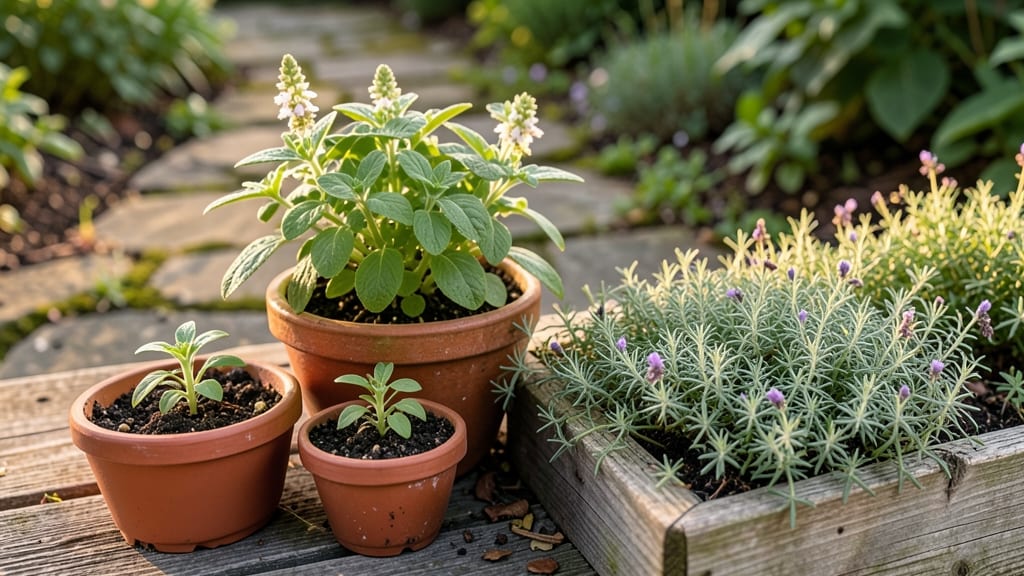
Planting herbs in Wisconsin means timing your seeds with the last frost—usually mid-April to early May, depending on your region—and knowing which varieties thrive in USDA zones 4a-6b. 🌿
Wisconsin’s unpredictable climate can make or break your herb garden—plant too early and risk frost damage, too late and miss peak flavor. Timing is everything for thriving basil, cilantro, and dill yields.
Cool-season herbs like parsley and chives can handle Wisconsin’s chill, while warm-season favorites like basil need the soil to warm up before they’ll flourish. Starting seeds indoors 6-8 weeks before the last frost gives them a head start.
Below, I’ll break down the best planting windows by region, herb-specific tips, and how to stretch your growing season so you can harvest fresh cilantro in June or parsley into October.
Wisconsin’s frost-free dates by region: best planting windows for herbs
Wisconsin’s herb gardens thrive when planted at the right time—too early and frost zaps tender basil leaves, too late and you miss peak harvests. The state’s last spring frost varies dramatically by region, creating planting windows that can differ by weeks.
Understanding these dates ensures your cilantro, dill, and parsley grow strong and flavorful.
For Madison (USDA Zone 5a), the average last frost arrives around May 15, while Milwaukee (Zone 5b) typically sees its final frost by May 10. Up north in Green Bay (Zone 4b), gardeners wait until May 20 before planting heat-loving herbs.
These differences mean annual herbs like basil need precise timing, while perennial herbs such as chives offer more flexibility.
Here’s the key: Annual herbs (basil, cilantro, dill) should go in 2-3 weeks after your region’s last frost date, while cool-season herbs (parsley, chives, thyme) can handle earlier planting as soon as soil reaches 40°F.
The first fall frost also varies—Madison freezes by October 15, Milwaukee by October 10, and Green Bay as early as September 25.
Use this region-specific guide to align your herb planting schedule with Wisconsin’s climate. Whether you’re a Madison urban gardener or a Green Bay suburban grower, these frost-free dates will help you maximize your harvest without risking frost damage.
| Region | Last Spring Frost | First Fall Frost | Best Planting Window (Annual Herbs) | Best Planting Window (Perennial Herbs) |
|---|---|---|---|---|
| Madison | May 15 | October 15 | May 25 - June 10 | April 15 - May 10 |
| Milwaukee | May 10 | October 10 | May 20 - June 5 | April 1 - May 5 |
| Green Bay | May 20 | September 25 | June 1 - June 15 | April 30 - May 15 |
🌱 Planting Tip: For heat-sensitive herbs like basil, wait until soil is 60°F+ to avoid stunted growth.
In Madison, your annual herbs like basil and dill should hit the ground by late May to avoid late frosts.
Start cilantro early (April) for a spring harvest, but be ready to replant in late summer—it bolts in heat. Perennial herbs such as oregano and thyme can go in as early as mid-April, giving them time to establish roots before summer’s intensity.
Milwaukee’s slightly earlier frost dates mean you can plant annual herbs 5-7 days sooner than Madison gardeners. Use this advantage to start basil indoors in March for an early transplant.
For fall planting, aim to get seeds in by late August—this gives parsley and chives time to mature before frost.
Up in Green Bay, the shorter growing season demands even more precision.
Wait until early June to plant warm-season herbs like basil, and focus on cold-hardy varieties (e.g., winter savory) for fall. Row covers can extend your season by 2-3 weeks in both spring and fall, protecting tender herbs from unexpected frosts.
Pro tip: Monitor local frost alerts—Wisconsin’s weather is unpredictable. Use a soil thermometer to confirm 50°F+ soil temps before planting annual herbs. For perennials, mulch heavily in fall to protect roots during early frosts.
By aligning your herb planting schedule with these frost-free dates, you’ll enjoy bountiful harvests from June through October, even in Wisconsin’s variable climate. Happy gardening!
Herb-specific planting timeline in Wisconsin: when to start seeds indoors vs. direct sow
Wisconsin’s short growing season demands precision when planting herbs. Cold-hardy varieties like parsley and chives thrive with early starts, while heat-sensitive basil needs careful timing to avoid frost. My strategy?
Start seeds indoors 6-8 weeks before the last frost date (typically mid-April in most regions), then transplant outdoors after May 15 when nighttime temps stay above 50°F.
For direct-sown herbs, wait until soil warms to 60°F+—usually late May to early June. This prevents stunted growth from cool soils. Cilantro and dill handle cooler temps better, but basil and oregano need warmth to germinate.
Pro tip: Use a seed heating mat for stubborn seeds like basil.
For early harvests, prioritize basil and oregano—start them indoors by March 15 under grow lights. My grow-light setup runs 14 hours/day to prevent leggy seedlings. Parsley and chives, however, benefit from outdoor sowing in early spring (March-April) since they’re frost-tolerant.
In northern Wisconsin (zones 3-4), delay direct sowing until late May to avoid late frosts. Use row covers for extra protection if planting early. Southern Wisconsin (zones 5-6) gardeners can start 2 weeks earlier—watch for April 15 as a safe baseline.
Always check local frost charts for precise dates.
Fall planting? Parsley and cilantro handle cooler temps—sow 6-8 weeks before first frost (typically mid-September). Basil and dill won’t survive Wisconsin winters, so harvest seeds or pull them before frost. For perennials like chives, divide clumps in early fall to encourage robust regrowth next spring.
Remember: Soil temperature matters more than air temperature. Use a soil thermometer to confirm 60°F+ for warm-season herbs. Cool-season herbs like parsley thrive in 45-55°F soils. Adjust your timeline based on these readings—your herbs will thank you with vibrant growth and bold flavors! 🌱🌿