
Plants
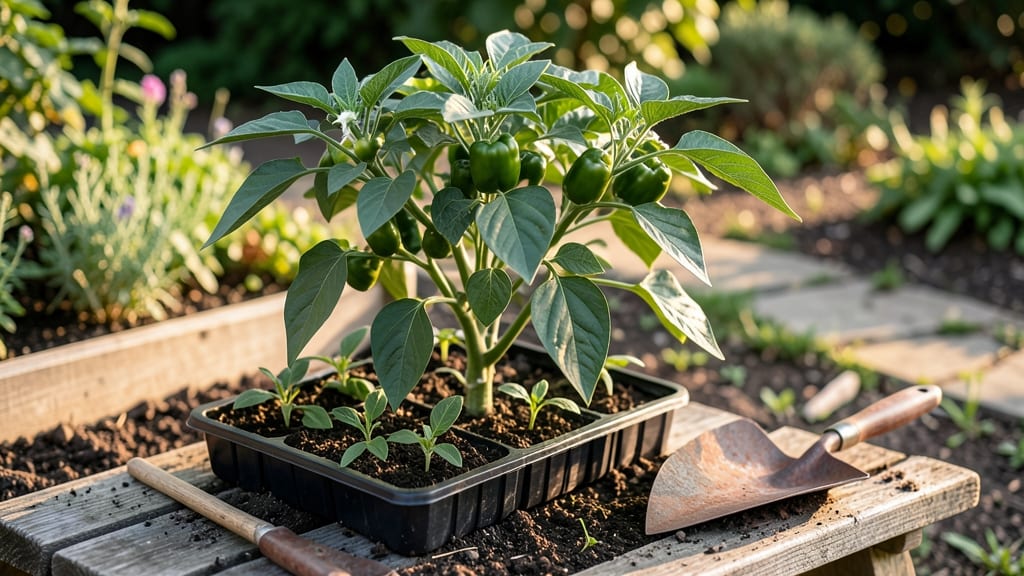
Planting jalapeños in North Carolina at the right time means the difference between a bountiful harvest and a wasted season—especially when your zone spans 6b to 8a and frost can strike unpredictably.
North Carolina’s diverse climate zones mean your jalapeño harvest could fail if you plant at the wrong time—whether you’re in the mountains, Piedmont, or coastal plains. One week too early and a late frost will kill your seedlings; too late and the heat arrives before the peppers mature.
Here’s the exact timeline you need: when to start seeds indoors, when to transplant outdoors, and how to adjust for your specific microclimate. We’ll also cover fall planting for a second crop, because two harvests are better than one.
By the end, you’ll know not just when to plant, but how to protect your 🌶️ from North Carolina’s most common pitfalls—so you’re harvesting spicy peppers from July through October, not scrambling to replant after a surprise cold snap.
NC frost-free dates by region: when to plant jalapeños for maximum yield
North Carolina’s three distinct climate zones—Mountains, Piedmont, and Coastal Plain—create wildly different jalapeño planting windows. In the Appalachian Mountains (USDA 6b), frost lingers until mid-May, while coastal gardeners in USDA 8a can start as early as mid-April.
These timing differences mean planting your jalapeño transplants too soon in the mountains could spell disaster, but coastal gardeners risk heat stress if they wait too long.
Jalapeños thrive in warm soil (60°F+) and consistent temperatures above 55°F. The key to a maximum yield is transplanting after your last average frost date but before summer heat peaks.
For NC, that’s typically April through early June—but your exact window depends on elevation and proximity to the coast.
Why timing matters: Jalapeños need 75-90 days to mature, and planting too early risks frost damage, while late planting may leave you with underripe peppers before fall frosts. The Piedmont region (USDA 7a-7b) offers the sweet spot, with April 15–May 15 as the ideal transplant window for most varieties.
| Region | USDA Zone | Last Frost Date | Optimal Transplant Window | Soil Temp Requirement | Key Variety Tips |
|---|---|---|---|---|---|
| Mountains (Asheville, Boone) | 6b (-5°F) | Mid-May | May 1–June 1 | 60°F+ (use black plastic mulch) | Choose early-maturing varieties like 'Early Jalapeño' (60 days) |
| Piedmont (Raleigh, Greensboro) | 7a-7b (0°F to 5°F) | April 15–April 30 | April 15–May 15 | 60°F+ (test with soil thermometer) | Standard varieties like 'Jalapeño M' (75 days) perform well |
| Coastal Plain (Wilmington, Fayetteville) | 8a (10°F) | Early April | March 20–April 15 | 60°F+ (humidity increases fungal risk) | Heat-tolerant varieties like 'Red Jalapeño' thrive |
| All Regions (Fall Planting) | 6b–8a | Mid-October (first frost) | Late July–early August | 60°F+ (use row covers) | Fast varieties like 'Super Jalapeño' (65 days) |
🌱 Pro Tip: Use row covers to extend mountain season by 2-3 weeks
In the Mountains, where frosts can linger until mid-May, I recommend starting jalapeño seeds indoors by March 1 to give transplants a head start. Use grow lights or a sunny windowsill, and harden off seedlings for 10 days before transplanting after Memorial Day.
The cooler nights in this region also mean you’ll need to mulch heavily to retain soil warmth.
For Piedmont gardeners, the April 15–May 15 window aligns perfectly with jalapeño’s 75-day maturity. This means you can expect your first harvests in late June to early August.
To maximize yield, pair your planting with succession planting: sow a second batch in early June for a fall harvest before the first frost in mid-October.
The Coastal Plain’s warmer climate lets you plant jalapeños as early as March 20, but beware of humidity-related diseases. Increase airflow with spaced rows and use drip irrigation to keep foliage dry.
Coastal gardeners can also double-crop by planting a fall batch in July for a harvest through November, as frosts arrive later here.
Regardless of your NC region, always test soil temperature before transplanting—jalapeños won’t thrive in soil below 60°F. Use a soil thermometer ($10 at garden centers) to confirm readiness. If temperatures dip below ideal, delay planting or use black plastic mulch to warm the soil by 5–10°F.
One common mistake is relying on air temperature alone. Soil temperature lags behind air temps
How to extend your jalapeño growing season in NC’s unpredictable climate
North Carolina’s unpredictable frost dates can turn a thriving jalapeño plant into a crispy disappointment overnight. Even in USDA zones 6b-8a, late spring freezes or early autumn chills threaten your harvest. The key to success? Proactive protection and smart planting strategies tailored to your microclimate.
I’ve learned the hard way that Appalachian foothills (like Asheville) freeze earlier than the Piedmont (Raleigh), while coastal areas (Wilmington) enjoy longer growing windows.
By combining season-extending tools with succession planting, you can push your harvest from July to November—or even start a fall crop in late July for a late-season bounty.
- 1 Use cold frames or row covers for 2-3°F protection. Install floating row covers (like Reemay) when nighttime temps drop below 50°F. For heavier protection, add a cold frame with a clear plastic lid to trap heat.
- 2 Plant heat-tolerant varieties like 'Early Jalapeño' or 'Numex Twilight'. These handle 90°F+ temps better than standard types. Pair them with succession planting: sow new seeds every 2 weeks from May to July for staggered harvests.
- 3 Monitor frost alerts via NC State Extension or NOAA. In high-risk zones (e.g., Western NC), have emergency row covers ready. A 30-second check before bed can save your plants—just drape covers over trellised plants to prevent collapse.
For Appalachian foothills, where frosts linger into June, start jalapeños indoors in March and transplant after May 15. Use black plastic mulch to warm soil faster—it can add 2-4°F to root zones.
In coastal areas, you can push fall planting until August 15 with row covers in place by September 15.
Don’t overlook succession planting—it’s my secret weapon. Instead of one big June planting, I stagger seeds every 10-14 days through July. This ensures peppers ripen at different times, extending your harvest window.
Pair this with dwarf varieties (like 'Jalapeño M') for container growing on patios or balconies.
If you’re in a high-altitude zone (e.g., Boone), combine cold frames with straw mulch—it insulates roots and retains 10°F more warmth than bare soil. For Piedmont gardeners, focus on late July plantings with row covers installed by mid-August.
Always remove covers during the day to prevent heat stress.
Pro tip: Harvest before frost hits, even if peppers aren’t fully ripe. Green jalapeños can ripen indoors on a sunny windowsill—just hang them in a paper bag with a banana (the ethylene gas speeds ripening). With these strategies, you’ll turn NC’s unpredictable climate into a harvest goldmine. 🌶️