
Plants
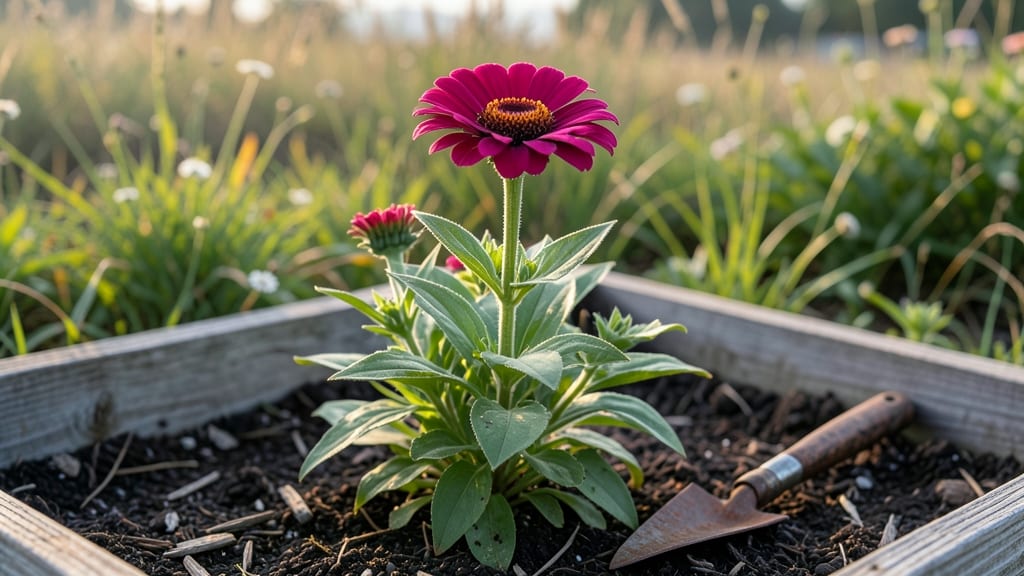
To plant zinnia seeds in North Carolina, aim for mid-April to early June or late July to early August for fall blooms — timing that aligns with frost-free windows and soil warmth.
Picture this: a garden bursting with 🌼 zinnias in full bloom, their vibrant colors drawing in pollinators and brightening your yard. But miss the planting window, and you might end up with leggy, weak plants struggling to survive the heat or frost.
In North Carolina’s varied climate zones, getting the timing right is everything.
The key is understanding your local microclimate. Coastal areas warm up faster than the Piedmont, while mountain regions stay cooler longer. I’ll break down the exact frost-free deadlines for zones 7a-8b, so you know whether to start seeds indoors or sow directly outdoors for the best results.
You’ll also discover how to extend your zinnia season by planting in both spring and fall, plus tips for adjusting your schedule based on soil temperature and heat tolerance. Let’s get those seeds in the ground at the perfect moment!
North Carolina zinnia planting deadlines by USDA hardiness zone
North Carolina's USDA zones 7a-8b create unique microclimates that affect when you can safely plant zinnia seeds. The key is timing your planting to avoid late frosts while maximizing the plant's heat tolerance.
Zinnias thrive in warm soil and love basking in full sun, making them perfect for NC's long growing season.
For spring planting, aim to sow seeds 2-4 weeks after your last frost date, when soil temperatures consistently reach 50°F (10°C).
In NC, this typically falls between mid-April and early June, depending on your specific zone. Fall planting offers a second chance for vibrant blooms—sow seeds from late July to early August for late-season color.
Zinnias are annual flowers that love heat and can handle NC's summer temperatures with ease. However, planting too early in cooler zones (7a) risks frost damage, while warmer zones (8b) can start seeds slightly earlier. Understanding your local frost dates is critical for success.
Here’s a quick reference for North Carolina’s frost-free planting windows by zone, including ideal soil temperature thresholds for zinnia seeds:
| USDA Zone | Last Frost Date | Spring Planting Window | Fall Planting Window | Soil Temp Threshold |
|---|---|---|---|---|
| 7a (Cooler Piedmont) | Mid-April | Late April to early May | Late July to early August | 50°F (10°C) |
| 7b (Central NC) | Early April | Early April to mid-May | Early July to mid-August | 50°F (10°C) |
| 8a (Coastal Plain) | Late March | Late March to early June | Mid-June to early September | 50°F (10°C) |
| 8b (Southeast NC) | Early March | Early March to late May | Late June to mid-September | 50°F (10°C) |
In Zone 7a, where frosts linger longer, wait until after May 1 to plant zinnia seeds outdoors. This ensures your heat-loving flowers aren’t caught off guard by unexpected cool snaps.
Meanwhile, gardeners in Zone 8b can start seeds as early as March for a head start on the growing season.
For fall blooms, focus on planting between late July and early August. This timing allows zinnias to establish roots before cooler temperatures arrive in late fall. In warmer zones like 8b, you can extend this window until mid-September for late-season color.
Zinnias are drought-tolerant once established, but they need consistent moisture during their first 4-6 weeks of growth. Water deeply every 2-3 days in spring and summer, focusing on the soil base rather than the foliage to prevent fungal diseases. Mulching around plants helps retain moisture and regulate soil temperature.
If you’re eager for early blooms, consider starting zinnia seeds indoors 4-6 weeks before your last frost date. Use grow lights or a sunny windowsill to provide the 6+ hours of sunlight zinnias crave.
Transplant seedlings outdoors once soil temperatures are consistently above 50°F (10°C) and nighttime temperatures stay above 55°F (13°C).
Remember, zinnias are self-seeding annuals, meaning they’ll often resow themselves if left to dry on the stem. This makes them a low-maintenance choice for NC gardens, but be mindful of where they pop up—some varieties can become invasive if not controlled.
By aligning your planting with local frost dates and soil temperatures, you’ll enjoy vibrant zinnia blooms from summer through fall—attracting
Microclimate-specific zinnia planting strategies for NC gardens
North Carolina's diverse geography means your zinnia planting timing should vary dramatically between the Piedmont plateaus, humid Coastal Plain, and cool Mountain regions. The same zinnia seeds planted in Raleigh may bolt in Wilmington's heat or struggle to germinate in Asheville's chilly springs.
Let's break down the perfect planting windows for each microclimate to maximize your bloom season.
For Piedmont gardens (like Raleigh and Greensboro), aim to plant zinnia seeds 2-3 weeks after your last frost date, typically mid-April to early May. This region offers a balance of warmth and moderate humidity, perfect for zinnias' 60-75 day flowering cycle.
In the Coastal Plain (Wilmington, Fayetteville), plant 1-2 weeks earlier (late March to early April) to beat the intense summer heat that can cause bolting.
- Piedmont Plateaus: Plant mid-April after soil reaches 55°F. Best varieties: 'Benary's Giant' (4ft) for cut flowers.
- Coastal Plain: Start late March for summer blooms. Choose heat-tolerant varieties like 'Profusion Series' (dwarf, 12in).
- Mountain Regions: Wait until mid-May when nights stay above 50°F. Opt for 'Crystal Series' (compact, 18in).
- All Zones: Sow fall crops by late July for September-October blooms before first frost.
- Drought Tip: In Piedmont/Coastal, mulch with pine straw to retain moisture; Mountains need extra watering during dry spells.
In the Mountain regions (Asheville, Boone), delay planting until mid-May when nighttime temperatures consistently stay above 50°F. The cooler climate extends your fall blooming window, so consider a late July planting for vibrant autumn displays.
For all regions, direct sowing after danger of frost is ideal—zinnias hate transplanting and may develop leggy stems.
For extended blooms, choose drought-resistant varieties suited to each zone. In the Piedmont, 'Double Hit Mix' thrives with moderate water. The Coastal Plain's high humidity favors 'Zahara Series' (heat-resistant, 18in).
Mountain gardeners should select 'Thumbelina Series' (10in, compact) to handle cooler temperatures. Always deadhead spent blooms to encourage continuous flowering through frost.
Pro tip: Use black plastic mulch in the Coastal Plain to warm soil faster and deter weeds. In Mountain gardens, add row covers for early spring starts to protect tender seedlings.
With these microclimate adjustments, you'll enjoy zinnias blooming from June through October—no matter where you garden in North Carolina! 🌼