
Companion Plants
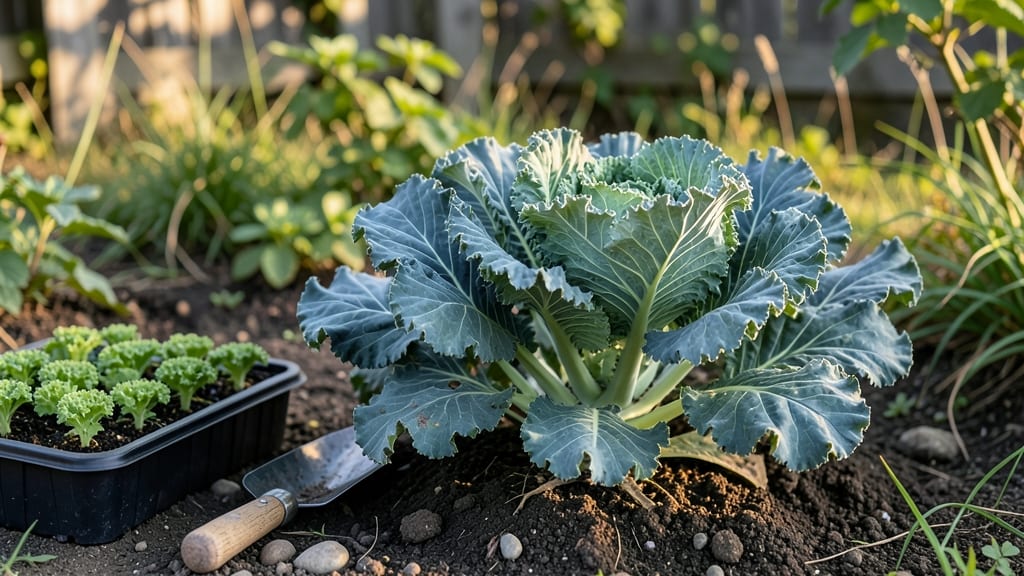
To plant kale in Pennsylvania, aim for late March to early April in spring or mid-August to early September for fall—timing that avoids both early frosts and summer bolting.
Pennsylvania’s diverse climate—from the cold winters of the North to the milder South—can make timing your kale planting tricky, but getting it right means lush, frost-resistant harvests for months.
Whether you're a first-time gardener or a seasoned grower, knowing the exact frost-free windows for your zone is the key to avoiding bolting and maximizing your yield.
In zones 5b-7a, kale thrives when planted 4-6 weeks before the first fall frost or 2-3 weeks after the last spring frost. This ensures your 🥬 stays sweet and crisp, not bitter or woody.
For example, in Pittsburgh (zone 6b), that means starting seeds indoors in early March for a spring harvest or direct-sowing in late August for a fall crop.
Below, I’ll break down the best planting strategies for each zone, including soil prep, spacing, and how to stretch your harvest season—so you can enjoy homegrown kale from spring through winter.
Pennsylvania planting zones & kale frost-free timeline by month
Pennsylvania spans USDA Zones 4-7, creating unique frost-free windows for growing kale. In Zone 4 (northern PA), the last frost typically arrives by May 10, while Zone 7 (southern PA) sees the last frost around April 15.
Understanding these variations ensures you plant at the perfect time to avoid bolting or heat stress.
Kale thrives in cool weather and can handle light frosts, making it ideal for early spring and late summer/fall planting. The key is to sow seeds 4-6 weeks before the first frost for a fall harvest or 2-3 weeks after the last frost for spring.
This timing maximizes your harvest window while avoiding the heat of summer, which can cause kale to bolt prematurely.
| Zone | Last Frost | First Frost | Spring Planting | Fall Planting | Harvest Window |
|---|---|---|---|---|---|
| Zone 4 | May 10 | October 5 | May 15-June 15 | August 1-Sept 15 | June-October |
| Zone 5 | May 1 | October 10 | April 20-May 10 | July 15-August 15 | May-November |
| Zone 6 | April 15 | October 15 | April 1-May 1 | July 1-August 1 | April-December |
| Zone 7 | April 1 | October 20 | March 15-April 1 | June 15-July 15 | March-January |
For Zone 4, start seeds indoors in March and transplant after the last frost in mid-May. In Zone 7, you can even plant directly in the garden as early as mid-March for a spring harvest.
The fall planting window is equally critical—sow seeds in late summer (August-September) to ensure a harvest before the first frost.
In Zone 5 and 6, aim for two planting windows: early spring (April) and late summer (July-August). These zones offer the longest frost-free periods, allowing you to succession plant every 2-3 weeks for a continuous harvest.
For example, in Zone 6, a July planting will yield kale until December, while a September planting may still produce until the first frost in mid-October.
If you're in Zone 7, take advantage of the longer growing season by planting three times: in March for spring, June for summer, and August for fall. This strategy ensures you have fresh kale from April through January, even with light frosts.
Just be mindful of heat stress—avoid planting in July or August in the hottest parts of the state, as temperatures above 85°F can cause bolting.
To protect your kale from late spring frosts, use row covers or cold frames until the soil warms. For fall plantings, opt for cold-hardy varieties like Winterbor or Red Russian, which can withstand temperatures down to 10°F.
These varieties also handle light frosts better, extending your harvest into winter.
Always prepare your soil with compost before planting, as kale thrives in well
How to extend your kale harvest season in Pennsylvania
If you love fresh kale but hate the idea of a short harvest window, I’ve got great news: with the right strategies, you can enjoy homegrown kale from early spring to late fall—and even through winter in Pennsylvania.
The secret lies in succession planting, cold-hardy varieties, and smart protection against late frosts. Let’s break down how to keep your kale garden productive for months.
First, focus on fall planting for the longest harvest. Kale thrives in cool weather and can tolerate light frosts, making it perfect for Pennsylvania’s climate. By planting in late summer or early fall, you’ll avoid the heat stress that causes bolting.
Pair this with spring succession plantings every 2-3 weeks to ensure a steady supply of fresh leaves.
Here’s how I extend my kale harvest season—step by step:
- 🌱 Plant in late August-September for a fall harvest that lasts until hard frosts (typically mid-October in PA).
- 🌿 Use row covers (like frost blankets) to protect plants from late spring frosts (common in April-May).
- ✂️ Harvest outer leaves first to encourage regrowth and prolong the harvest window by 4-6 weeks.
- 🥬 Choose cold-hardy varieties like Winterbor or Red Russian, which tolerate 20°F temperatures.
- 📅 Sow every 2-3 weeks in spring (starting in March) for a staggered harvest.
Don’t forget to mulch heavily around your kale plants in late fall to insulate roots and keep them alive through winter. I’ve had success with straw mulch, which also suppresses weeds and retains moisture.
Once spring arrives, simply trim back any frost-damaged leaves, and your kale will bounce back stronger than ever.
For early spring plantings, start seeds indoors 6-8 weeks before your last frost date (usually mid-March in most of PA). Transplant seedlings outdoors 2-3 weeks after the last frost to avoid cold damage.
This gives you a head start on the season and ensures you’re harvesting by late May or early June.
Pro tip: If you’re in Zone 5 or colder, consider planting kale under a cold frame or in a greenhouse for an even longer harvest. I’ve extended my season by 2-3 months using these methods, and the flavor is unbeatable when picked fresh from the garden.
With these strategies, you’ll never run out of kale again!