
Plants
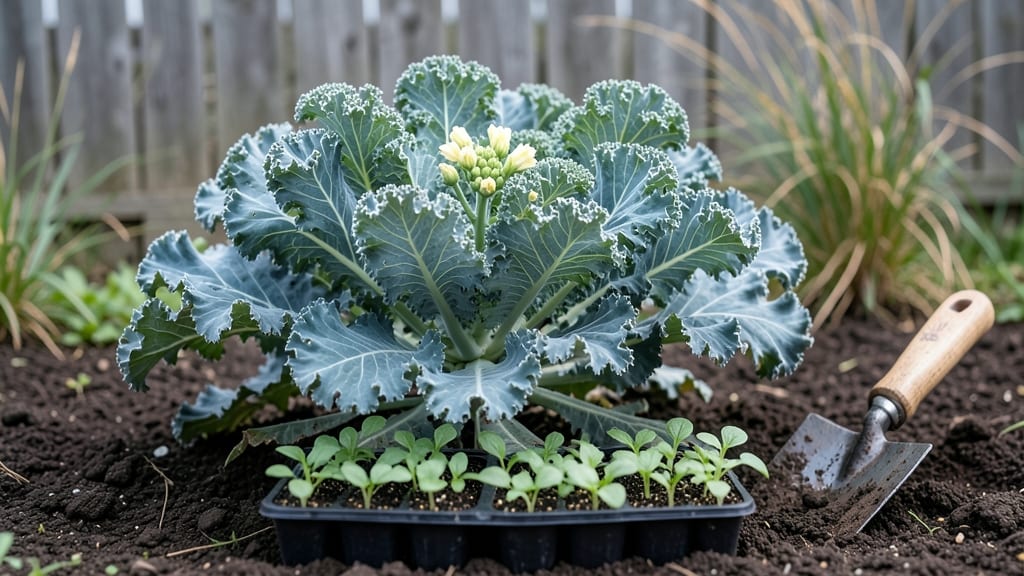
Planting kale in Wisconsin means timing it just right to beat the frost and stretch harvests from summer to fall.
Wisconsin’s unpredictable climate can make planting kale tricky—get the timing wrong, and you’ll miss out on crisp, frost-sweetened harvests. But with the right strategies, you can enjoy homegrown kale from early summer to late fall.
Unlike heat-loving veggies, kale thrives in cooler weather, making it a perfect fit for Wisconsin’s USDA Zones 3–5. The key is planting early enough to avoid bolting (flowering) in summer heat, yet late enough to give seedlings a head start before frost.
In this guide, I’ll break down the exact months to plant, the best frost-resistant varieties for your area, and how to extend harvests through Wisconsin’s first frosts—so you can enjoy fresh, homegrown greens all season long.
Best planting months for kale in Wisconsin’s climate zones
Wisconsin’s climate zones 4-6 offer unique challenges for growing frost-tolerant kale. Unlike warmer regions, timing is everything—plant too early, and seedlings rot; too late, and you miss the sweetened fall harvests Wisconsin is famous for.
The key? Two planting windows: early spring and late summer, each tailored to your zone’s last frost dates.
Most Wisconsin gardens fall into USDA zones 4-5, where Winterbor kale thrives through light frosts, while Red Russian handles even colder snaps. For zone 6 (southern WI), you’ve got a slightly longer window, but don’t push it—kale’s bitter bolting starts when days stretch too long.
Let’s break down the exact months for each zone and variety.
| Zone | Planting Window | Best Varieties | Frost Tolerance | Harvest Time |
|---|---|---|---|---|
| 4 (Northern WI) | Late April–May (spring) / Late July (fall) | Winterbor, Red Russian | Survives 20°F with protection | July–October |
| 5 (Central WI) | Mid-April–June (spring) / Early August (fall) | Winterbor, Red Russian, Lacinato | Survives 15°F without protection | June–November |
| 6 (Southern WI) | Early April–June (spring) / Mid-July (fall) | Winterbor, Red Russian, Vates | Survives 10°F with mulch | May–December |
For zone 4 gardeners, start indoor seedlings in late March to transplant by late April. Use row covers if nights dip below 30°F—this protects young leaves while letting sunlight through.
In zone 5, you can direct-sow Red Russian as early as mid-April, but wait until soil warms to 45°F for faster germination.
My late-summer planting trick? Sow Winterbor in late July (zone 4) or early August (zone 5) for a frost-sweetened harvest by October. The secret? Succession planting every 3 weeks ensures a steady supply.
In zone 6, you can even push it to mid-August—just cover seedlings if a 20°F snap hits.
Don’t overlook soil prep—kale craves well-draining, nitrogen-rich soil. Amend with compost and a balanced fertilizer (5-10-10) before planting. In zone 4, add a 2-inch mulch layer of straw to insulate roots.
For zone 5-6, focus on consistent moisture—kale wilts fast in dry spells, and recovery takes time.
Pro tip: Harvest outer leaves first to encourage regrowth. In Wisconsin, fall frosts actually improve flavor—stop harvesting when temps drop below 10°F for more than 24 hours. For zone 4, that’s usually by late November, while zone 6 can stretch to December with row covers.
If you’re new to Wisconsin gardening, start small—test a 4-foot row of Red Russian in late May and another in early August. This gives you a 6-week buffer between harvests and helps you gauge your zone’s microclimate.
Over time, you’ll master the art of stretching Wisconsin’s short season.
Remember: Kale loves cold, but hates heat waves. If summer temps hit 85°F, provide afternoon shade to prevent bolting. With these zone-specific windows, you’ll enjoy homegrown kale from July to December—no greenhouses required! 🌱
How to extend kale harvests through Wisconsin’s frosts
Wisconsin’s late frosts can turn kale harvests into a gamble, but with smart strategies, you can protect your plants and enjoy fresh greens well into winter. The key lies in succession planting, protective barriers, and knowing when frost actually sweetens your kale instead of damaging it.
Start by planting cold-hardy varieties like 'Winterbor' or 'Red Russian' in late July or early August for a fall harvest. These varieties thrive when temperatures dip, and their sweetened flavor after light frosts makes them worth the effort.
Pair this with succession sowing every 2-3 weeks to stagger your harvest and avoid gaps.
⚠️ callout warning ⚠️
Don’t confuse frost damage with frost-sweetening—they look similar but have key differences:
- Frost-Sweetened: Leaves turn darker green, feel firmer, and smell sweeter (harvest immediately).
- Frost-Damaged: Leaves turn black or mushy, feel slimy, or wilt completely (discard).
Pro Tip: Harvest frost-sweetened kale within 24 hours—its sugars break down quickly.
Use row covers or low tunnels to shield young plants from early autumn frosts. These lightweight fabrics trap heat during the day and insulate at night, extending your growing season by 4-6 weeks.
For a more permanent solution, install a cold frame over established plants—it can keep kale growing until December in most of Wisconsin.
When selecting leaves, prioritize outer leaves first—they’re most exposed to cold and often sweeten faster. Avoid harvesting inner leaves until after a frost, as they retain heat longer and may not develop the same sweetness.
If a hard freeze is forecast, harvest all mature leaves before temperatures drop below 20°F.
Mulch heavily with straw or shredded leaves to protect the soil and roots from temperature swings. A 3-inch layer of mulch can raise soil temps by 5-10°F, giving your kale a buffer against sudden drops.
Pair this with drip irrigation on mild days to keep roots hydrated without overwatering.
With these techniques, you’ll turn Wisconsin’s chilly season into your kale’s prime time. The result? A longer harvest window, sweeter flavors, and fewer wasted plants when the first frost rolls in. 🌱