
Plants
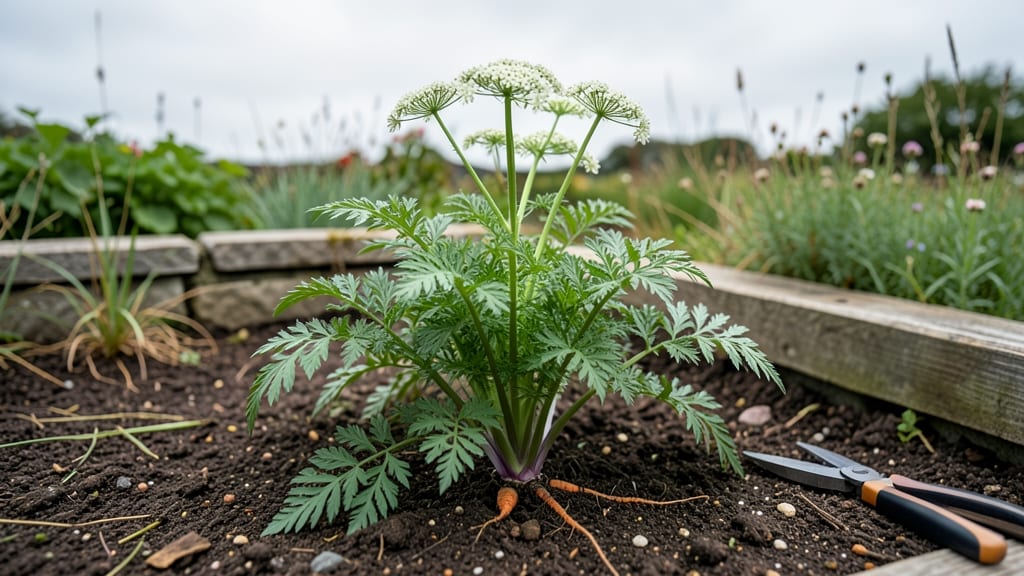
To plant carrots in San Diego, aim for fall through early spring—this avoids the heat that sends them bolting before you get a harvest.
San Diego’s warm coastal climate can turn your carrot seeds into bitter, woody roots if planted at the wrong time—but timing them perfectly ensures sweet, crisp harvests all season long. The key is avoiding those summer months when temperatures creep above 75°F, which triggers bolting.
Whether you’re in La Jolla or Escondido, the best window is from September through March, when cooler temps and consistent moisture give those 🥕 roots the ideal growing conditions. Plant too early, and you risk uneven growth; too late, and you’re fighting the heat.
Below, I’ll break down the exact months, soil prep tips, and how to adjust for coastal vs. inland microclimates—so you can go from seed to harvest like a pro.
Best carrot planting months in San Diego: exact timeline to prevent bolting
San Diego’s frost-free USDA Zone 10a/10b climate makes carrots a year-round possibility—but timing matters. Plant too early in summer, and your Danvers Half Long carrots bolt into bitter, leafy tops.
Too late, and you miss the sweetest harvest windows of spring and fall. The key? Understanding soil temperatures and seasonal heat spikes that trigger bolting.
Most gardeners in San Diego focus on fall and winter planting (October through March) to avoid summer’s 90°F+ temperatures. However, with shade cloth and proper watering, you can extend growing into summer for continuous harvests.
The trick is planting when soil temps stay below 80°F—the threshold where carrots start bolting.
Here’s the exact monthly breakdown for San Diego’s microclimates, including soil temperature thresholds and bolting risks:
| Month | Ideal Planting Window | Soil Temp (°F) | Bolting Risk | Harvest Window |
|---|---|---|---|---|
| January | ✅ Best time | 55–65°F | Low | April–June |
| February | ✅ Best time | 58–68°F | Low | May–July |
| March | ✅ Best time | 60–70°F | Moderate | June–August |
| April | ⚠️ Early morning only | 65–75°F | High (bolting risk) | July–September |
| May–August | ❌ Avoid (unless shaded) | 75–90°F+ | Very High | N/A (bolting likely) |
| September | ✅ Best time | 70–80°F | Low | December–February |
| October–November | ✅ Best time | 60–70°F | Low | January–March |
| December | ✅ Best time | 55–65°F | Low | March–May |
For coastal San Diego (e.g., La Jolla), you can push planting into late spring (May) with 30% shade cloth to keep soil temps below 75°F. Inland areas (e.g., Escondido) should avoid planting after April unless using
How to adjust planting for San Diego’s coastal vs. inland microclimates
San Diego’s microclimates create dramatic differences in growing conditions—just 20 miles inland can shift your carrot harvest from sweet success to bitter disappointment. Coastal areas like La Jolla enjoy milder temperatures and higher humidity, while inland spots like Escondido face hotter days and drier winds.
These variations mean your planting schedule should adjust based on location to avoid bolting or woody roots.
For coastal gardens, I recommend starting carrot seeds in late winter (February) for spring harvests, while inland gardeners should begin in early fall (October) to escape summer’s intensity. The key difference? Coastal zones stay 5-10°F cooler year-round, delaying heat stress by 3-4 weeks compared to inland areas.
Comparison Table: Coastal vs. Inland Carrot Planting
In coastal areas, I prioritize shade cloth during summer months to protect seedlings from unexpected afternoon sun. The Pacific Ocean breeze helps moderate temperatures, but sudden heat spikes in June can still trigger bolting.
For inland gardens, I use drip irrigation to maintain consistent moisture—dry winds here evaporate water twice as fast as coastal spots.
Another critical adjustment: soil preparation. Coastal soils often contain more sand from ocean spray, requiring extra compost to improve water retention. Inland soils, meanwhile, may compact under summer heat, so I add vermiculite to prevent forking.
Both zones benefit from mulching, but coastal gardens need organic mulch to retain moisture, while inland areas prefer gravel mulch to reflect heat.
Pro tip: Coastal gardeners can extend harvests into late summer by planting short-day varieties like ‘Little Finger’ in May. Inland gardeners should stick to fall planting and harvest by March to avoid summer’s extreme heat.
With these adjustments, you’ll grow sweet, crisp carrots year-round—no matter where in San Diego you garden. 🌱