
Plants
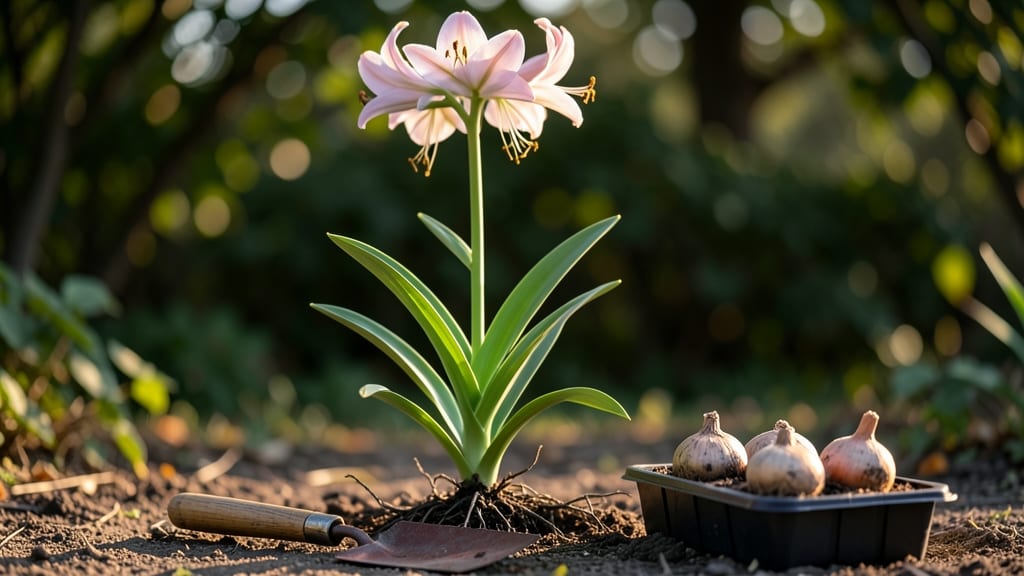
Plant lilies in Michigan during early spring March-April or early fall September-October to give roots time to establish before frost.
Michigan’s unpredictable frost dates make timing your lily planting critical—plant too early, and roots won’t establish; too late, and winter’s chill will stunt growth. Get it right, and you’ll enjoy vibrant blooms for years.
In USDA zones 5b-6b, lilies need 4-6 weeks before the ground freezes in fall or after the last frost in spring. Soil should be 50–60°F for ideal root growth, so check before planting.
Below, I’ll break down the best months for your region, soil prep tips, and how to choose the right lily varieties for Michigan’s short growing season.
Michigan’s lily planting timeline: month-by-month frost risk analysis
Michigan’s USDA zones 4-6 create a delicate balance for lily planting—too early, and frost will damage tender roots; too late, and your bulbs won’t establish before winter. The key is understanding your region’s last frost averages and giving lilies 4-6 weeks to root before hard freezes hit.
In Detroit, Grand Rapids, and Traverse City, these windows shift slightly, but the principle remains: plant when soil temps hit 50–60°F.
Spring planting is ideal for most Michigan gardeners, but fall offers a second chance for those who miss the window. The difference lies in root establishment time: spring-planted lilies need 60 days of warm soil before blooming, while fall-planted bulbs must root before consistent freezing (typically by mid-October).
Let’s break down the month-by-month risks for your location.
Here’s how Michigan’s three major regions compare for optimal lily planting windows, including last frost dates and frost-hardiness thresholds:
For Detroit gardeners, the spring window (April 15–May 15) aligns perfectly with soil warming, while fall planting should wrap up by October 1 to avoid winter damage.
In Grand Rapids, where frosts arrive earlier, aim for May 1–15 in spring or September 1–15 in fall—any later risks root freeze before dormancy sets in.
Traverse City’s shorter growing season demands the most precision: plant in May 1–20 or August 25–September 10. Miss this window, and your lilies may not bloom until their second year. Pro tip: Use black plastic mulch to warm soil faster in cooler regions like Traverse City.
Lilies thrive when planted in well-draining soil with 6+ hours of sun, but Michigan’s clay-heavy soils can trap moisture. Amend with compost or sand to prevent rot, especially in low-lying areas where frost lingers. Test soil temperature with a thermometer—ideal planting temps are 50–60°F.
If you’re planting in fall, focus on Asiatic or Martagon lilies, which handle colder temps better than Oriental hybrids. Mulch with 3–4 inches of straw after planting to insulate bulbs.
For spring planting, choose early-blooming varieties like ‘Stargazer’ or ‘Casa Blanca’ to maximize your short Michigan season.
Remember:
Signs your Michigan soil is ready for lilies (and when to wait)
Planting lilies in Michigan isn’t just about picking a month—it’s about reading your soil’s signals. Lilies thrive when soil temperatures hover between 50–60°F, but Michigan’s clay-heavy soils or sandy regions can delay warming. Test your soil before digging to avoid stunted roots or frost damage.
The key? Moisture, warmth, and pest-free conditions—all signs your lilies are ready to settle in.
Fall planting (September–October) gives roots time to establish before winter, while spring (March–April) works if you act fast after the last frost. But how do you know your soil is ready now?
Skip guessing and check these three critical signs instead of relying on a calendar. Michigan’s frost dates vary wildly, so soil readiness trumps month alone.
🌱 Your Soil Is Ready When...
- 🌡️ Soil temp reaches 50–60°F – Use a soil thermometer 6" deep. Below 50°F? Wait. Above 60°F? Plant ASAP.
- 💧 Moisture drains within 24 hours – Clay soils? Amend with compost or sand. Sandy soils? Add organic matter to retain moisture.
- 🐜 No slug/grub activity – Check for pest trails at dusk. Use copper barriers or diatomaceous earth if pests lurk.
- 🌱 No frost risk for 4+ weeks – Fall? Plant 6 weeks before first frost. Spring? Wait until after last frost (check Michigan State’s frost map).
- 🔍 pH is 6.1–7.0 – Test with a soil kit. Below 6.0? Add lime. Above 7.0? Mix in peat moss.
Michigan’s clay soils (common in southern regions) can stay cold and waterlogged, while sandy soils (northern areas) dry out fast. Adjust by amending clay with compost or sandy soil with coconut coir. Mulch after planting to regulate temperature—critical for fall-planted bulbs facing winter’s freeze-thaw cycles.
Patience pays off: Rushing into cold soil stresses lilies, making them vulnerable to rot. Waiting too long (e.g., planting in May) risks shallow roots before summer heat arrives. Test your soil’s readiness weekly in spring/fall—your lilies will thank you with bold blooms next summer.
Pro tip: Dig a test hole 6–8" deep (where lilies’ bulbs will sit). If the soil feels cool to the touch or smells musty, it’s not ready. Warm, crumbly soil? That’s your green light! Plant in the evening to reduce transplant shock from afternoon sun.
Remember: Michigan’s microclimates mean Detroit’s soil may be ready weeks before Traverse City’s. Local weather stations and gardening forums (like the Michigan Bulb Growers Association) are your best friends. When in doubt, wait one more week—your lilies will grow stronger for it.