
Plants
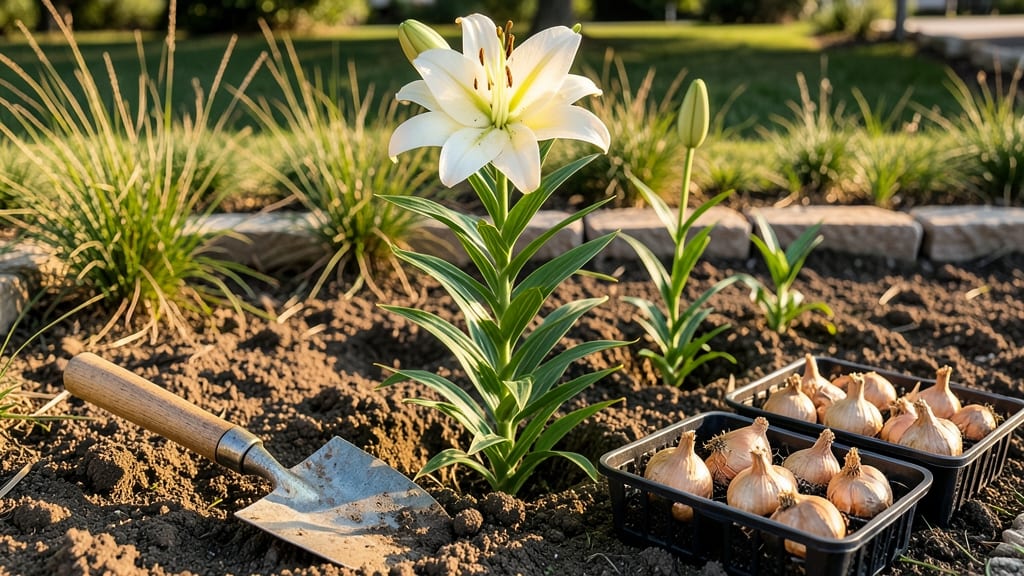
Planting lilies in Texas at the right time means stunning blooms that survive both scorching summers and occasional freezes.
Texas gardeners face a unique challenge—scorching summers and unpredictable freezes—but planting lilies at the right time can ensure stunning blooms year after year. Timing isn’t just about avoiding frost; it’s about choosing heat-tolerant varieties and understanding Texas’s microclimates.
Fall is the best window for most of the state, with September through November giving bulbs time to root before winter. But if you’re in South Texas, where freezes are rare, early spring planting in February or March can also work.
Below, I’ll break down the exact months for your region, the heat-ready varieties that thrive here, and the soil prep tricks that keep your 🌸 lilies blooming for years.
Best planting months for lilies in Texas by region
Texas’s diverse climate means lily planting times vary dramatically from North to South Texas. In North Texas (Zones 7b-8a), where frosts linger until mid-February, your window is tight—focus on fall planting for spring blooms.
Meanwhile, South Texas (Zones 9a-10b) offers year-round planting, but extreme summer heat demands early fall or late winter timing to avoid stress.
Central Texas gardeners (Zones 8a-8b) enjoy the best of both worlds with two ideal planting seasons: September-October for fall and February-March for spring. The key? Planting 6-8 weeks before your region’s last frost date ensures roots establish before cold snaps.
For example, Asiatic lilies thrive in full sun and tolerate heat better than Oriental lilies, which prefer partial shade in Texas summers.
Fall planting is my top recommendation for most Texas regions because it gives bulbs time to root before summer’s heat. In North Texas, aim to plant by November 1st—after soil temps drop below 80°F. Central Texas gardeners can extend this to December 1st, while South Texas can plant through January thanks to milder winters.
For spring planting, rush to get bulbs in the ground by March 15th in North Texas and April 1st in Central Texas. South Texas gardeners can plant through May, but avoid June-August—this is when bulb rot risks spike due to 90°F+ soil temps.
Pro tip: Soak bulbs in water for 24 hours before planting to jumpstart root growth.
Regional frost dates are your planting deadline anchors. North Texas’s last frost typically falls around February 15th, while Central Texas sees its last frost by March 15th. South Texas rarely freezes, but unpredictable cold snaps can still damage new growth. Always check your local USDA zone for precise timing—Zone 8a vs. Zone 10a makes a big difference.
| Region | Last Frost Date | Best Fall Planting Window | Best Spring Planting Window | Heat-Tolerant Varieties |
|---|---|---|---|---|
| North Texas (Zones 7b-8a) | February 15 | September 15 - November 1 | February 1 - March 15 | Asiatic, Martagon, 'Stella de Oro' |
| Central Texas (Zones 8a-8b) | March 15 | September 1 - December 1 | February 15 - April 1 | Oriental, Trumpet, 'Casa Blanca' |
| South Texas (Zones 9a-10b) | Rare (Jan-Feb) | September 1 - January 31 | February 1 - May 31 | African Queen, 'Black Out', 'Pink Perfection' |
If you miss the fall window, don’t panic—spring planting still works if you act fast. For North Texas, prioritize Asiatic lilies; they bloom earlier and handle heat better. In Central Texas, Oriental lilies reward patience with larger blooms but need consistent moisture during Texas summers.
South Texas gardeners can push boundaries with tropical varieties like 'African Queen', which thrive in humid heat.
One common mistake? Planting too late in spring when soil temps exceed 85°F. Lilies need cool roots to establish—use shade cloth or plant in morning sun spots if summer arrives early. Mulch with 2-3 inches of straw to regulate soil temps and retain moisture.
In North Texas, a white mulch reflects heat, while dark mulch in South Texas absorbs warmth for cooler roots.
For container gardening, adjust timing by 2-4 weeks earlier—pots heat up faster. Use terracotta containers for better drainage and plant bulbs 1 inch deeper than in-ground. In South Texas, overwinter containers in partial shade to protect bulbs from unexpected freezes.
Remember: Texas’s microclimates mean your neighbor’s perfect timing might not work for you—always check microclimate conditions in your specific yard.
Finally, mark your calendar for late summer (August-September) when lilies need fertilizer to rebloom. Use a balanced 10-10-10 formula and water deeply once a week. With the right timing, your lilies will thrive through Texas’s extremes and bloom year after year. 🌸
Heat-ready lily varieties for Texas gardens
Texas summers demand heat-tolerant lilies that won’t wilt under 100°F+ temperatures. The right varieties thrive in USDA zones 8a-10b, blooming reliably from June through August. My top picks focus on drought resistance and low-maintenance care—perfect for Texas gardeners who want drama without fuss.
For full-sun gardens in South Texas, 'Casa Blanca' lilies shine with creamy white blooms and minimal water needs. In North Texas, where spring freezes linger, 'Stargazer' lilies deliver vibrant purple flowers while handling hot afternoons. Each variety balances heat tolerance with Texas-friendly growing conditions.
✅ Pros & Cons: Top 5 Heat-Ready Lilies
| Variety | Pros | Cons |
|---|---|---|
| 'Casa Blanca' | ✔️ Drought-tolerant ✔️ Full-sun lover ✔️ Disease-resistant |
✖️ Needs well-draining soil ✖️ Shorter bloom time |
| 'Stargazer' | ✔️ Bold purple blooms ✔️ Handles heat well ✔️ Long vase life |
✖️ Attracts deer ✖️ Needs staking |
| 'African Queen' | ✔️ Deep red color ✔️ Thrives in partial shade ✔️ Pest-resistant |
✖️ Needs consistent water ✖️ Shorter stems |
| 'Black Out' | ✔️ Dramatic dark blooms ✔️ Heat-resistant ✔️ Unique foliage |
✖️ Rare in nurseries ✖️ Needs rich soil |
| 'Navajo' | ✔️ Creamy white with red centers ✔️ Fragrant blooms ✔️ Deer-resistant |
✖️ Needs morning sun ✖️ Shorter lifespan |
Tip: Always choose large, firm bulbs (size 12+) for better heat resilience and bigger blooms.
When selecting bulbs, prioritize disease-free specimens with thick, papery skins. Avoid soft or shriveled bulbs, as they struggle in Texas heat. Plant in well-amended soil with compost or sand to improve drainage—a must for clay-heavy Texas soil.
For maximum drought tolerance, pair lilies with mulch (2-3 inches of pine straw or wood chips) to retain moisture. Water deeply but infrequently—aim for 1 inch per week during peak summer.
My 'Casa Blanca' lilies in San Antonio thrive with weekly deep waterings and no additional shade.
Bloom times vary by variety: 'Stargazer' peaks in late June, while 'Navajo' extends into early August. Plant 3-5 bulbs together for a show-stopping cluster. In North Texas, extend the season by planting Oriental lilies—they handle cooler springs better than Asiatic types.
Pro tip: Deadhead spent blooms to encourage second flushes in mild Texas winters. With the right variety and care, your lilies will reward you with summer-long color—even in 100°F heat. 🌸