
Plants
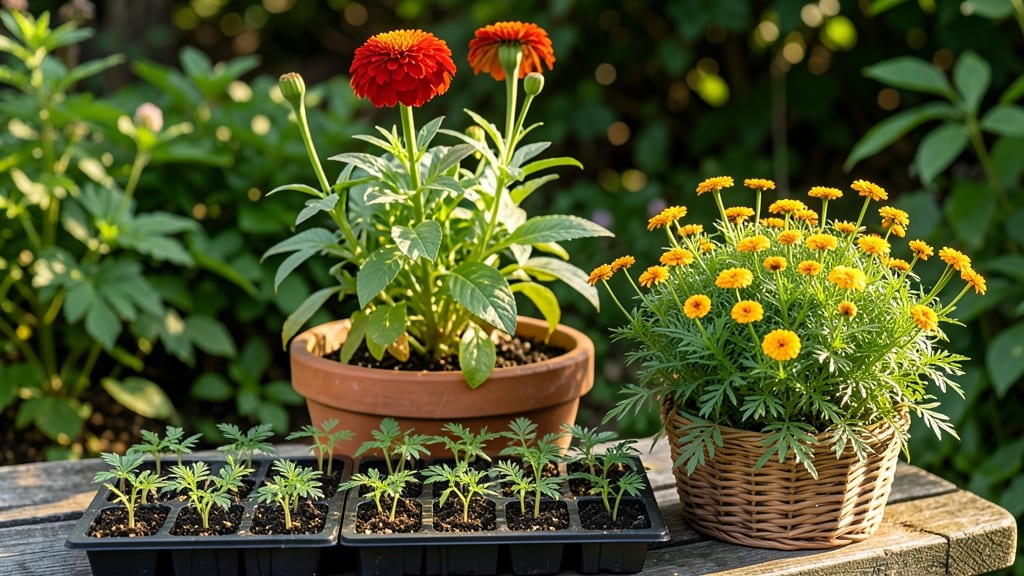
Plant marigolds in Colorado after your last frost date — typically between April 15 and May 15, depending on elevation — to ensure those cheerful 🌼 blooms thrive.
If you’ve ever watched your marigolds wilt under a surprise late frost or struggle to bloom in Colorado’s short growing season, you’re not alone. The key is knowing your elevation zone’s frost-free deadlines, which can vary by two weeks or more between the Front Range and the Western Slope.
Marigolds are tough little flowers, but they need the right timing: plant too early in cold soil, and they’ll rot; wait too long, and you’ll miss the 120-180 frost-free days they need to reach their full golden glory.
Below, I break down the exact planting windows for your zone, plus tips for extending the season with row covers and choosing the best varieties for Colorado’s heat and altitude.
Colorado marigold planting deadlines by elevation zone (frost-free dates)
Colorado’s dramatic elevation shifts—from 5,280 feet in Denver to over 10,000 feet in the mountains—create wildly different frost-free windows for marigolds. Planting too early in cold soil (below 50°F) stalls germination, while waiting too late risks shortened bloom seasons.
Below are the precise frost-free deadlines for Colorado’s three key regions, tailored for French, African, and signet marigolds.
Marigolds thrive in USDA Zones 5-7, but Colorado’s microclimates demand elevation-specific timing. The Front Range (Denver/Boulder) averages April 15-20 for last frost, while mountain towns like Evergreen (6,500 ft) can see frost until May 10.
African marigolds, heat-lovers, need warmer soil (60°F+), while French marigolds tolerate cooler starts (50°F).
Use these frost-free date ranges as your planting guide, but always verify with your local Colorado State University Extension for updates. Soil temperature gauges (available at garden centers) are your best tool—wait until readings hit 50°F for French marigolds or 60°F for African types.
🌼
For spring planting, aim to sow seeds 2–3 weeks before your zone’s last frost date indoors (under grow lights) or direct-sow after frost when soil warms.
In Colorado’s short growing season, early starts are critical—French marigolds can bloom in 60 days, while African varieties take 75–90 days.
Fall planting offers a second bloom window in Colorado. Sow seeds 8–10 weeks before your first frost (typically August 1–September 1 for the Front Range). Choose dwarf varieties like ‘Bonanza Mixed’ for shorter seasons—they mature faster than standard types.
Pro tip: Use black plastic mulch to warm soil 5–10°F faster in cooler zones. This trick lets you plant French marigolds 1–2 weeks earlier in mountain regions. Just remove mulch when flowers start blooming to prevent overheating.
🌱
Always monitor local weather forecasts—Colorado’s late-spring frosts (even in May) can devastate young seedlings. Harden off transplants gradually if starting
How to adjust planting dates for Colorado’s microclimates and frost risks
Colorado’s dramatic elevation shifts—from Front Range valleys to mountain foothills—create microclimates where frost can strike weeks apart. For marigolds, this means your Denver garden might be ready for planting while Eagle County still has snow on the ground.
The key is adjusting your timeline based on local frost dates and using protective strategies to extend your growing season.
Start by checking your USDA Zone (5-7) and elevation-specific frost data. For example, Fort Collins typically sees its last frost around May 1, while Aspen can experience frost as late as June 15.
These differences mean you’ll need to stagger planting or use season extenders to keep your marigolds thriving.
⚠️ callout warning
Many gardeners in Colorado rush to plant marigolds as soon as soil is workable, but cold soil slows germination. Marigolds need soil temperatures of at least 50°F (10°C) to sprout properly. Planting in chilly, damp soil leads to rot or stunted growth, wasting seeds and time.
Solution: Use a soil thermometer to confirm warmth before planting. For early starts, try container gardening near a sunny wall to warm the soil faster.
To protect your marigolds from late frosts, invest in row covers or cloches. These lightweight fabrics trap heat and shield young plants from 28°F (-2°C) temperatures. For French marigolds, which are more cold-tolerant, you can push the envelope slightly—planting 2-3 weeks earlier than African varieties.
Always remove covers during the day to prevent overheating.
Another smart tactic is to start seeds indoors 4-6 weeks before your last expected frost date. This gives you a head start on the season and allows you to transplant hardened-off seedlings once the soil warms.
For high-elevation gardens (above 7,000 feet), consider heat-loving African marigolds planted in south-facing beds where they’ll receive extra warmth.
Don’t forget about fall planting, which can yield stunning marigold blooms well into October. In lower elevations like Pueblo, you can direct-sow seeds as late as August 15, while mountain regions should wait until September 1 to avoid early frosts.
Always choose dwarf varieties for fall, as they handle cooler nights better than towering African types.
Finally, monitor your garden’s microclimates—a south-facing slope warms faster than a north-facing yard. Use these natural advantages to your advantage by planting heat-loving marigolds in the warmest spots first.
With these adjustments, you’ll turn Colorado’s unpredictable weather into an opportunity for longer marigold seasons and brighter garden beds. 🌼