
Plants
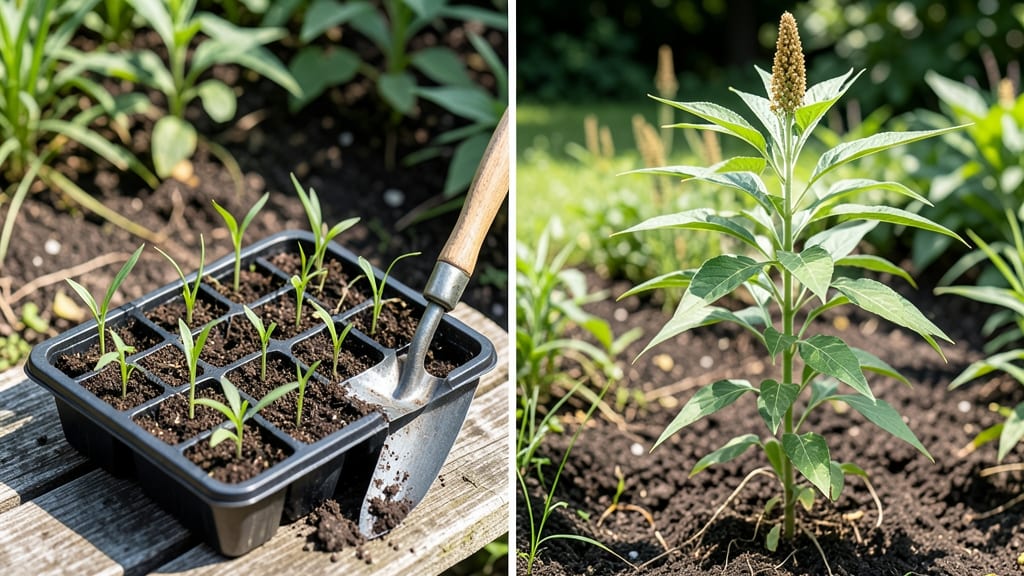
Planting milo in Texas after the last frost and when soil hits 60°F ensures strong germination and heat resilience 🌾 — the key to avoiding stunted plants before summer’s peak.
Texas gardeners know timing is everything—especially with milo, a drought-resistant crop that thrives in heat but demands precision to avoid stunted growth or failure. Get the wrong planting window, and your yield could suffer before summer even arrives.
North Texas (8a-8b) should aim for April to June, while Central and South Texas (9a-10b) can start as early as March. The difference between a bountiful harvest and wasted effort often comes down to these two-week windows after the last frost.
Below, I break down the exact planting deadlines by zone, soil temperature tricks to speed up growth, and how to adjust for Texas heat waves—so you don’t miss the sweet spot for milo’s 90- to 150-day maturity.
Texas milo planting deadlines by hardiness zones (8a-10a)
Texas milo (Sorghum bicolor) thrives in heat but needs precise planting timing to avoid frost damage or heat stress. The ideal soil temperature for germination is 60°F or higher, and planting too early in cooler zones risks stunted growth.
In Zone 8a (High Plains), wait until mid-April when nighttime temps stay above 50°F. Meanwhile, Zone 10a (South Texas) gardeners can start as early as late February—but only if frost isn't forecasted.
Milo's heat tolerance makes it perfect for Texas summers, but the critical window is between last frost and soil warming. In Central Texas (Zone 9a), aim for March 15–April 15 to ensure plants mature before September heat waves.
Miss this window, and your milo may bolt prematurely or struggle to reach full height (8–12 feet).
Here’s how to align your planting with Texas’s four key hardiness zones, including soil temp thresholds and frost-free timelines:
| Zone | Last Frost Date | Ideal Planting Window | Soil Temp Threshold (°F) | Key Notes |
|---|---|---|---|---|
| 8a (High Plains) | Feb 15–Mar 15 | Mid-April to early May | 60°F+ | Wait for consistent 50°F nights; drought-prone—mulch heavily. |
| 8b (North Texas) | Feb 20–Mar 5 | Late March to April 15 | 60°F+ | Avoid April heat waves—plant in early morning to reduce stress. |
| 9a (Central Texas) | Feb 28–Mar 10 | March 15–April 15 | 65°F+ | Longer growing season—extend to late April for fall harvests. |
| 10a (South Texas) | Mar 5–Mar 15 | Late February–March 31 | 68°F+ | Watch for unpredictable late frosts—use row covers if needed. |
For Zone 8a gardeners, the April 15 deadline is non-negotiable—planting after this risks premature drought stress as summer heat intensifies. Use a soil thermometer to confirm temps; milo seeds won’t germinate below 55°F.
In Zone 10a, the March 31 cutoff aligns with peak rainfall, giving seeds ideal moisture without waterlogging.
Pro tip: In Central Texas (Zone 9a), late April plantings can still yield grain if you choose fast-maturing varieties like 'Pioneer P8490' (90-day harvest). These varieties tolerate 100°F+ temps better than slower growers. Always test soil pH (6.0–6.5) before planting—milo struggles in acidic soils.
If you’re in North Texas (Zone 8b), consider staggered plantings in late March and early April to spread harvest dates. This hedges against unpredictable April frosts or early summer droughts.
For all zones, direct-seed milo 1 inch deep, 12 inches apart, and thin seedlings to 6 inches for optimal air circulation.
Remember: Milo’s heat tolerance is its superpower, but timing beats tolerance every time. Plant too early, and frost will finish what you started; plant too late, and your crop may mature just as September rains begin.
Use local agricultural extension reports to fine-tune your schedule—especially in transition zones like East Texas (Zone 8a/8b).
For container growing, adjust deadlines by 2–3 weeks earlier—pots warm faster than ground soil. Just ensure containers have drainage holes to prevent root rot during Texas’s intense summer downpours. 🌾
How to adjust milo planting dates for Texas heat waves
Texas summers can turn milo plants into crispy snacks if you're not careful. The key to success? Adjusting your planting schedule to match heat waves and soil moisture conditions. Milo thrives in heat, but extreme temperatures can cause bolting or premature maturity, ruining your harvest.
By fine-tuning your timeline, you can stretch the growing season and protect your crop.
Start by selecting heat-tolerant varieties like 'Pioneer P8490' or 'TifMilpearl', which handle Texas heat better than standard types. These varieties mature faster, giving you a buffer against late-season heat spikes. Pair them with soil moisture tricks like mulching and strategic irrigation to keep roots cool during peak heat.
- 1 Plant 2-3 weeks later than standard dates in North Texas (Zone 8b) to avoid early heat stress. Aim for mid-April to early May instead of March.
- 2 Use shade cloth (30-50%) for first 3-4 weeks in Central Texas (Zone 9a) to slow early growth and prevent bolting. Remove after seedlings establish roots.
- 3 Deep-water soil before planting in South Texas (Zone 10a) to create a moisture reserve. This delays transplant shock during June heat waves when temps exceed 95°F.
- 4 Choose late-maturing varieties like 'Pioneer P8490' (110-day maturity) over 'TifMilpearl' (90-day) in dry years to avoid harvest loss from September heat.
- 5 Monitor soil temps with a probe—plant only when soil reaches 65°F+. Cooler soils slow germination, while hotter soils (>85°F) can scorch seeds.
For extended growing seasons, consider succession planting in North Texas. Plant a second batch in late May using drip irrigation to maintain moisture during July's scorching temps. This two-phase approach maximizes yield while minimizing heat-related stress.
Don’t forget to mulch heavily with straw or wood chips to retain moisture and regulate soil temperature. A 3-inch mulch layer can reduce evaporation by up to 50%, giving your milo plants a fighting chance during Texas's brutal summers.
Pair this with drought-tolerant cover crops like sunn hemp to improve soil structure before planting.
If you notice premature flowering (bolting), it’s a sign your milo is under stress from heat or drought. Respond by shading plants immediately and increasing water depth—aim for 1.5 inches of water per week during critical growth stages.
In severe cases, consider pruning side shoots to redirect energy toward grain production.
With these adjustments, you can turn Texas’s intense heat from a threat into an advantage. Milo’s natural drought resistance, combined with smart timing, lets you harvest reliable yields even in the hottest summers. Just remember: patience and preparation are your best tools against the Texas sun. 🌾☀️