
Plants
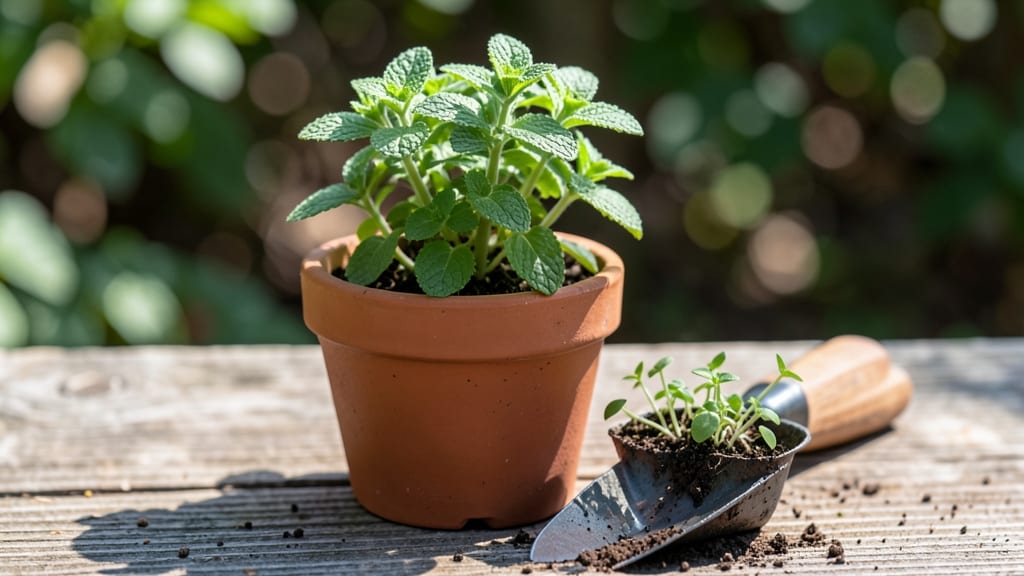
Planting mint in Texas after the last frost date—typically March for North Texas and February for the Gulf Coast—sets your herb up for fast, robust growth without the risk of frost damage.
Texas gardeners know timing is everything—especially when growing fast-spreading herbs like mint, which thrive in the Lone Star State’s heat but demand precise planting windows to avoid bolting or stunted growth.
Mint’s love for warmth means you can push the envelope in South Texas, where mild winters allow for fall plantings too. But in North Texas, waiting until soil reaches 60°F ensures roots establish before summer’s brutal heat arrives.
Below, I break down the exact months by region, soil prep secrets, and how to stretch your harvest from spring through fall—plus the one mistake that kills mint before it even takes off.
Optimal planting months for mint in Texas regions (north vs south)
Texas gardeners know mint thrives in our heat, but planting too early or late can mean the difference between lush harvests and stunted growth. The state's diverse climate—from the Texas High Plains to the Gulf Coast—means your mint's ideal planting window depends on where you live.
In cooler northern zones, mint needs warmer soil to establish roots, while southern regions can plant year-round with proper care.
Mint's frost sensitivity is your first clue: it bolts when exposed to temperatures below 30°F. That’s why I adjust planting dates based on your last frost date and soil temperature thresholds.
For example, in Central Texas, you can plant as early as February, but in the High Plains, wait until April to avoid frost damage. Let’s break down the best months for each region.
Here’s how to match your Texas zone with the perfect mint planting window:
In the Texas High Plains, where frosts linger into April, I recommend waiting until the soil reaches 55°F—use a soil thermometer to check. Planting too early risks root rot from cold, damp soil.
For Central Texas, February is ideal, but September offers a second chance to grow mint without summer’s brutal heat.
Gulf Coast gardeners have the advantage of year-round planting, but I still prioritize February–April. The region’s humidity and heat can stress mint, so I mulch with straw or wood chips to lock in moisture.
Even in warm zones, mint benefits from a cool-season start to establish roots before summer’s intensity.
Pro tip: If you’re in a transitional zone (like East Texas), split your planting. Start with containers in March and transplant outdoors after the last frost.
This gives you an early harvest while minimizing risk. Always harden off seedlings by gradually exposing them to outdoor conditions for 7–10 days before full planting.
Mint’s aggressive spread means it’s best planted in containers or dedicated beds with buried barriers. In Central Texas, I’ve seen mint planted in March bolt by June if not given enough shade during peak heat. A 30% shade cloth can extend your harvest window by weeks.
For fall planting, aim for September in northern Texas and October in southern zones. This gives mint time to establish before winter’s chill. In the Gulf Coast, where winters are mild, you can even plant mint in December for a spring harvest.
Remember: Mint’s growth speed is directly tied to temperature. In Central Texas, I’ve seen mint reach harvestable size in 6–8 weeks when planted in spring, but it may take 10–12 weeks in the cooler High Plains. Adjust your expectations—and your patience—based on your region.
🌱
Signs your Texas mint planting timing is perfect (or wrong)
Planting mint in Texas requires careful attention to the plant's signals—because timing can mean the difference between a thriving herb garden and a struggling one. When you plant mint at the right time, you'll notice vibrant green leaves, rapid growth, and a strong minty aroma within weeks.
But if you plant too early or late, you might see yellowing leaves, slow growth, or even wilting despite your best efforts.
In Texas' extreme climate, mint thrives when soil temperatures stay above 60°F (15°C) consistently. This usually aligns with late February to early April in most regions, but Gulf Coast areas can start as early as January. Watch for these key signs to confirm you've planted at the perfect time.
⚠️ WARNING: Common Mistake in Texas Mint Planting
Planting mint too early in North Texas risks frost damage, while waiting too long in South Texas can cause heat stress. Always check for 3+ days of 60°F+ soil temps before planting—use a soil thermometer if unsure!
One of the first signs your mint planting timing is perfect is rapid leaf growth within 7-10 days. Healthy mint should produce 2-3 new leaves per stem weekly during ideal conditions.
If growth stalls or leaves appear pale or curled, you may have planted too early when soil was still cool.
Pay close attention to leaf color changes—vibrant green leaves indicate perfect timing, while yellowing suggests either overwatering or nutrient deficiency from poor planting conditions. In Texas heat, mint leaves should also develop a slight waxy texture, which helps them retain moisture during our dry spells.
Another key indicator is root establishment. Gently tug on mint stems after 3-4 weeks—if roots resist pulling (but don't break), your planting timing was ideal. In contrast, easily uprooted plants suggest weak root development from suboptimal conditions, like planting during Texas' unpredictable spring rains that can waterlog soil.
For container-grown mint, watch the growth rate against container size. Perfect timing means mint fills its container in 6-8 weeks without becoming root-bound. If growth slows after 4 weeks, you likely planted too late when summer heat was already stressing young plants.
Remember, Texas mint thrives with consistent moisture—soil should stay evenly damp (not soggy) after watering. If you're watering daily by June, your planting timing was likely too early for the region's heat intensity. Adjust by planting 1-2 months later next time for better heat adaptation.