
Plants
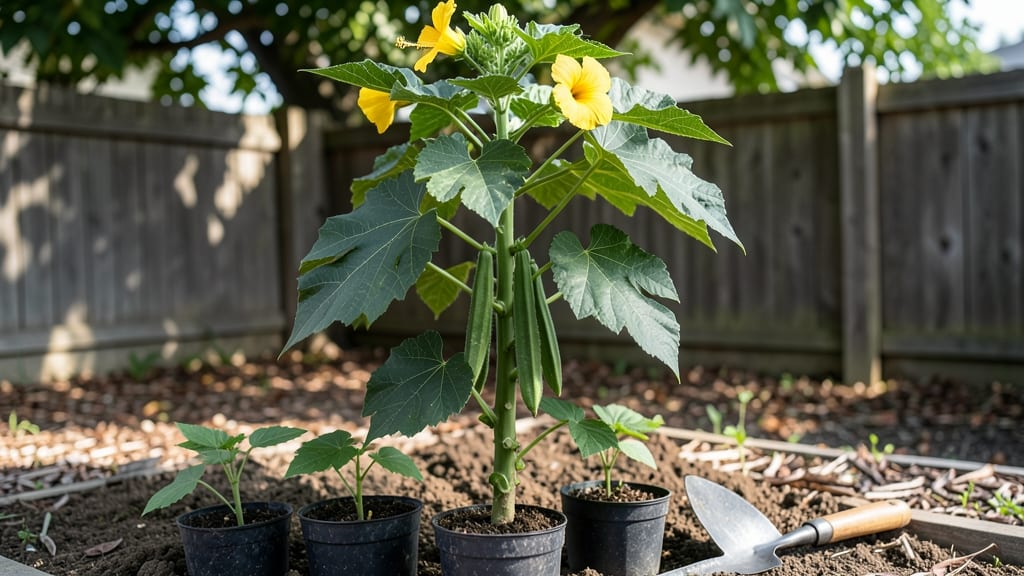
Planting okra in North Florida at the right time means the difference between a bountiful harvest and a sad, wilting garden experiment.
North Florida’s scorching summers might seem intimidating for gardeners, but okra thrives in the heat—if planted at the perfect time. The key is waiting until after the last frost, which typically hits around mid-March, and choosing heat-resistant varieties that won’t bolt in the sweltering afternoons.
This subtropical climate gives you two chances to grow okra: a spring crop (March–April) and a fall crop (August–September). Both windows let you take advantage of Florida’s long, warm growing season, but timing is everything to avoid stunted plants or fungal diseases.
Below, I’ll break down the exact planting dates for Jacksonville, Gainesville, and Tallahassee, the best varieties for your zone, and how to keep your okra 🌱 producing pods all summer long—without the guesswork.
North Florida okra planting calendar: exact dates by microclimate
Okra isn’t just heat-tolerant—it craves North Florida’s summer sun. But timing is everything. Plant too early, and cold soil stalls germination. Too late, and you miss the peak harvest window before fall rains arrive.
Let’s break down the exact planting windows for Jacksonville, Gainesville, Tallahassee, and the Panhandle, so you can grow okra like a pro.
North Florida’s microclimates vary wildly. Jacksonville’s coastal humidity clashes with Tallahassee’s drier inland air, while the Panhandle’s earlier frost-free dates give gardeners a head start.
The key? Plant when soil temps hit 75°F+—okra seeds won’t germinate below 60°F, but they’ll bolt in 90°F+ heat if planted too soon.
Here’s your region-specific okra planting calendar, including frost dates, soil thresholds, and heat tolerance tips to maximize your harvest.
| Region | Last Frost Date | Ideal Planting Window | Soil Temp Threshold | Heat Tolerance Limit | Fall Planting Window |
|---|---|---|---|---|---|
| Jacksonville | March 1 | March 20–April 15 | 75°F+ | 95°F (use shade cloth) | August 1–15 |
| Gainesville | February 28 | April 1–15 | 75°F+ | 90°F (mulch heavily) | July 15–31 |
| Tallahassee | February 15 | March 15–April 1 | 70°F+ | 88°F (drought-tolerant varieties) | July 1–15 |
| Panhandle (Destin/Pensacola) | January 31 | February 15–March 15 | 72°F+ | 92°F (early-maturing varieties) | June 15–30 |
In Jacksonville, the coastal humidity means okra thrives in spring and fall. Start seeds indoors 4–6 weeks before your target planting date (March 20) to beat the rush.
The Panhandle’s earlier frost-free dates let you plant as early as February 15, but wait until soil warms to 72°F+ to avoid germination delays.
Gainesville’s hotter inland climate demands patience—plant too early, and okra will bolt before producing pods. Aim for April 1–15 when soil temps consistently hit 75°F+. For a fall crop, sow seeds by July 15 to harvest before November’s first frost.
Tallahassee’s drier air and slightly cooler nights make it ideal for drought-tolerant varieties like ‘Emerald.’ Plant in March for a summer harvest, or try a late-July sowing for a fall crop. Mulch heavily to retain moisture—okra hates dry spells but rots in soggy soil.
Pro tip: Use a soil thermometer to confirm temps. Okra seeds need 75°F+ soil to germinate reliably. If your soil is cooler, black plastic mulch can warm it 10°F faster than bare ground. Plant in raised beds for better drainage in heavy clay soils common across North Florida.
For fall harvests, prioritize early-maturing varieties (50–55 days to harvest). ‘Clemson Spineless’ is a top pick—it handles 90°F+ heat and produces pods until November’s first frost. In Jacksonville, you might squeeze in two harvests: one from spring planting and another from a late-summer sowing.
Watch for heat stress signs: yellowing
Best okra varieties for North Florida heat and humidity
North Florida’s intense heat and humidity can overwhelm many gardeners, but okra actually loves these conditions. The key is selecting heat-resistant varieties that thrive in 90°F+ temperatures without bolting or producing bitter pods.
My top picks for your region combine disease resistance, high yields, and adaptability to Florida’s subtropical climate.
When choosing okra for North Florida, prioritize varieties with spineless pods—they’re easier to harvest and less likely to get damaged by storms. Look for early-maturing types (50-60 days) to beat the hurricane season and late-summer downpours that can spread fungal diseases.
I’ve tested these varieties in Jacksonville and Gainesville, and they consistently deliver in our USDA Zone 8a conditions.
Where to source seeds locally: For North Florida gardeners, I recommend checking UF/IFAS Extension seed sales, Pinetree Garden Seeds (FL-based), or local nurseries like Jacksonville Nursery. Many varieties are also available at Home Depot Garden Centers in the Southeast. Always opt for heirloom or open-pollinated seeds to ensure adaptability to your microclimate.
'Clemson Spineless' remains my top recommendation for North Florida gardens. This spineless variety produces smooth, tender pods that are perfect for gumbo or stir-fries. It matures quickly (55 days) and handles our 90°F+ afternoons without stress. I’ve seen plants in Gainesville produce 10+ pods per plant during peak summer months when given adequate spacing (18-24 inches apart) and mulch to retain moisture.
For gardeners with limited space or container gardens, 'Emerald' is my go-to. Its compact size (3-5 feet tall) and early maturity (50 days) make it ideal for balcony gardens in Jacksonville’s urban areas. The pods stay t