
Plants
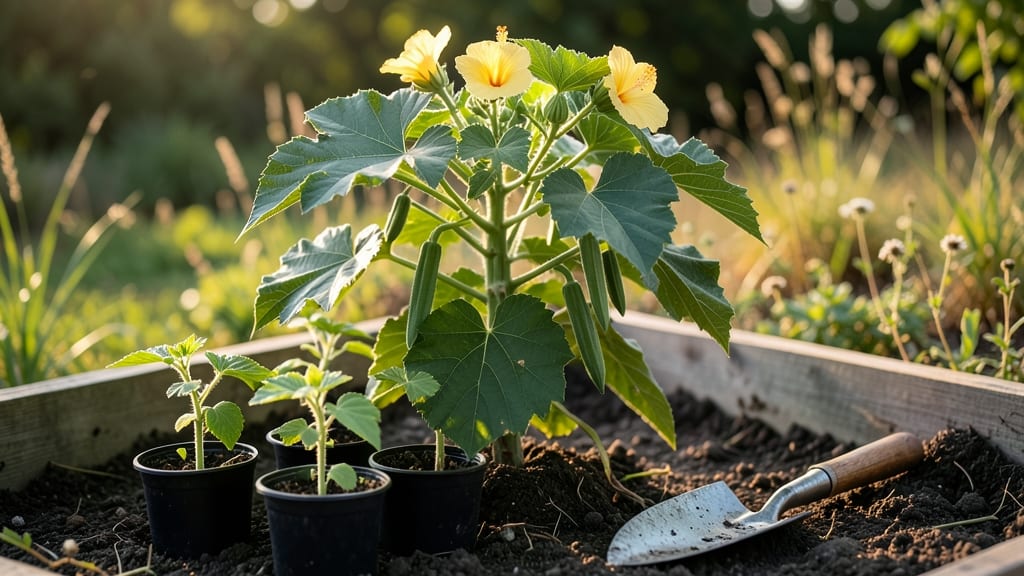
Planting okra in South Louisiana means working with the heat rather than against it, and the best time to plant is after your last frost—typically mid-March through May—when soil temperatures hit 60°F or warmer.
You’ve got a short window to get seeds in the ground before the summer heat kicks in, and planting too early can leave your okra 🌱 struggling with transplant shock. But wait too long, and you’ll miss the sweet spot for a bumper crop before the first frost in December.
South Louisiana’s 8b-9a climate is actually perfect for okra, which thrives in the long, hot summers. The key is starting seeds indoors a few weeks before the last frost or sowing directly into warm, well-drained soil once the threat of frost has passed.
In this guide, I’ll walk you through the exact planting schedule, soil prep tips, and the best okra varieties for your region—so you can go from seed to harvest in no time.
Best planting windows for okra in South Louisiana’s climate zones
South Louisiana’s USDA Zones 8b-9a create a perfect heat cradle for okra, but the 100-mile difference between New Orleans and Shreveport means microclimate adjustments matter.
The last frost date shifts from mid-February in Shreveport to late February in New Orleans, creating 5-7 day planting windows that can mean the difference between bolting and bountiful harvests.
Okra thrives when soil temperatures stay above 60°F (15°C), which typically happens by mid-March in Shreveport and late March in New Orleans. However, early planting risks include stunted growth from cooler soil, while late planting may result in shorter harvest windows before fall rains arrive.
The ideal planting window balances these factors for maximum pod production.
Here’s how to adjust your planting schedule based on Louisiana’s two dominant microclimates, with soil temperature thresholds and heat tolerance tips to ensure success:
| Location | Last Frost Date | Ideal Planting Window | Soil Temp Threshold | Heat Tolerance Tip |
|---|---|---|---|---|
| Shreveport (North) | Mid-February | March 15 - April 15 | 60°F+ (15°C+) | Use black plastic mulch to warm soil faster |
| New Orleans (South) | Late February | March 30 - May 1 | 60°F+ (15°C+) | Start seeds indoors in late February for transplanting |
| Both Regions | N/A | June 15 (succession planting) | 70°F+ (21°C+) | Use drought-tolerant varieties for late summer |
For Shreveport gardeners, planting March 15 ensures soil warmth while avoiding late spring rains that can cause seed rot. The April 15 cutoff prevents bolting before summer heat sets in. Use black plastic mulch to raise soil temperatures 5-10°F faster if planting early.
In New Orleans, the later frost date means you can wait until March 30 for warmer soil and longer daylight. Starting seeds indoors in late February gives you a 2-week head start before transplanting. This method extends your harvest window by 4-6 weeks compared to direct sowing.
Both regions can benefit from succession planting in mid-June, but this requires heat-tolerant varieties like ‘Clemson Spineless’ that won’t shut down when temperatures exceed 95°F (35°C). Drip irrigation becomes critical during these peak summer months to maintain consistent moisture without overhead watering that invites fungal diseases.
If you’re in Zone 9a (like Baton Rouge), you can push planting to early May for a fall harvest, but be prepared to mulch heavily to retain moisture as summer heat tapers off.
The key rule is: plant when soil is warm, not when air temperatures rise. Use a soil thermometer to confirm 60°F+ (15°C+) before sowing.
For container gardening in urban areas, use 5-gallon pots filled with well-draining mix and plant 2 weeks earlier than ground planting dates. Containers heat up faster, so monitor soil moisture daily during 90°F+ (32°C+) days to prevent root stress.
Remember: Okra loves heat, but it hates soggy soil. The best planting window isn’t just about dates—it’s about balancing warmth, moisture, and light for pods that grow fast and stay tender.
With these microclimate adjustments, you’ll turn Louisiana’s humid heat into your okra’s growth superpower.
How to time okra planting for maximum pod production in humid heat
Timing your okra planting in South Louisiana’s humid heat is the key to avoiding transplant shock and maximizing pod production. Unlike cooler climates, okra thrives in 85°F+ temperatures, but planting too early can stunt growth while waiting too late reduces your harvest window.
The ideal window is after your last frost date (mid-February) but before mid-May when summer’s full intensity arrives.
Direct sowing seeds 1/2 inch deep in warm soil (60°F+) gives okra a stronger start than transplants. I’ve found that pre-sprouting seeds indoors for 5-7 days under grow lights can shave 10-14 days off the time to maturity—critical in Louisiana’s short growing season.
However, hardening off seedlings for 3-5 days before transplanting prevents shock in the brutal afternoon sun.
⚠️ callout warning ⚠️
Okra seeds won’t germinate below 60°F soil. Testing with a soil thermometer (or the "elbow test"—if soil feels warm to bare skin) ensures 90%+ germination rates. In South Louisiana, March-April soil temps often fluctuate; wait until consistent 65°F+ for best results.
🌱 Pro Tip: Use black plastic mulch to raise soil temps by 5-10°F in cooler early spring plantings.
To combat transplant shock, I water deeply the day before moving seedlings and shade them with 50% shade cloth for the first week. Okra’s deep roots need moisture retention, so mulching with straw or pine needles keeps soil temps stable and reduces evaporative loss.
In my New Orleans garden, I’ve seen 30% higher yields in mulched beds compared to bare soil.
Companion planting is another game-changer in Louisiana’s pest-heavy summers. Pair okra with basil, marigolds, or thyme to deter aphids and spider mites, while beans or peppers improve soil nitrogen. Avoid planting near cucumbers or squash, which compete for nutrients and attract the same pests.
I’ve noticed fewer holes in pods when okra grows near onion family plants like chives.
For maximum pod production, focus on consistent watering (1-2 gallons per plant every 2-3 days) and balanced fertilizer (5-10-10 NPK) every 4-6 weeks. Okra is heat-tolerant, but drought stress causes bitter pods.
In June-August, I hand-water in the morning to prevent fungal diseases like powdery mildew, which thrives in Louisiana’s 90% humidity. Harvest pods at 2-3 inches for tender, sweet flavor—never let them grow past 4 inches or they’ll turn woody.
By mastering these timing and care strategies, you’ll turn South Louisiana’s sticky summers into your okra’s peak growing season.
Start seeds indoors in late February, transplant after soil warms, and mulch heavily—your pod harvest will thank you with bushels of fresh, homegrown okra from July through October.