
Plants
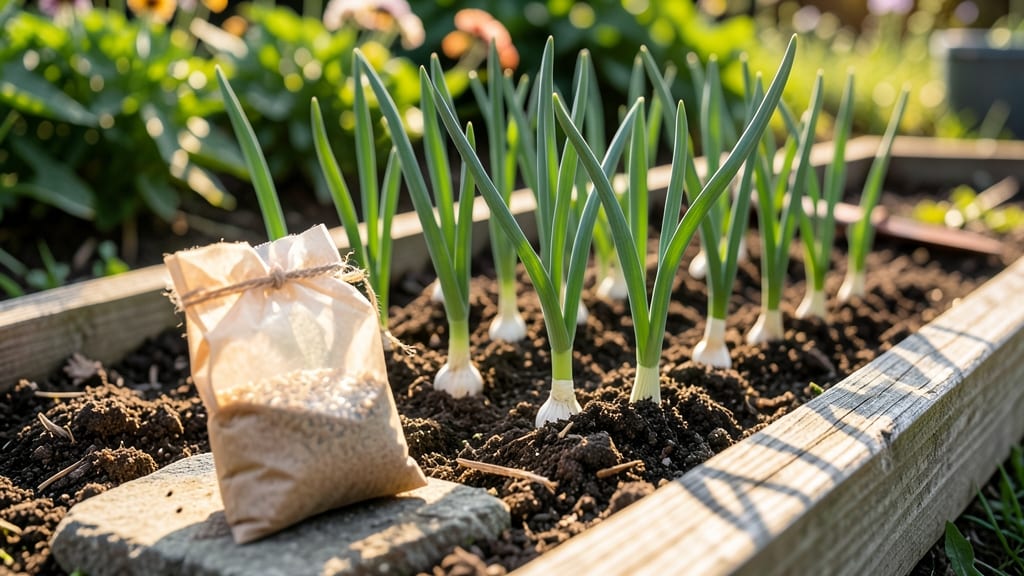
To plant onions in Montana, aim for early spring—between March and April—or late summer for a fall harvest, when soil temps hit 40°F.
Montana’s short growing season means timing is everything: plant too early, and frost zaps your crop; too late, and bulbs bolt before they mature. I’ve seen perfectly healthy onion starts turn bitter in just 10 days of unexpected heat.
In USDA Zones 4-5, where frosts linger until mid-May, the key is working with—not against—the climate. Cold-hardy varieties like ‘Red Baron’ or ‘Sweet Sandwich’ give you a fighting chance, but even they need the right window.
Below, I’ll break down the exact dates for your region, soil prep tricks to speed up growth, and how to stretch your season with row covers—so you’re harvesting plump, sweet onions by July, not watching them wither.
Optimal planting windows for onions in Montana’s USDA Zones 4-5
Montana’s USDA Zones 4-5 present unique challenges for growing onions due to short growing seasons and late spring frosts. Timing your plantings correctly ensures healthy bulb development and avoids wasted effort.
Whether you’re planting onion sets, transplants, or seeds, understanding the temperature thresholds and frost dates is critical for success.
Onions thrive when planted in cool soil and moderate air temperatures. In Montana, this typically means starting in early spring or late summer. Spring plantings should occur 4-6 weeks before the last frost date, while fall plantings need 8-10 weeks before the first frost to mature properly.
For most of Montana, this translates to March-April for spring and August-September for fall.
Here’s a clear breakdown of the best planting windows for onions in Montana’s climate:
| Planting Method | Optimal Planting Window | Soil Temperature | Notes |
|---|---|---|---|
| Onion Sets | March 15 - April 15 (Spring) or August 15 - September 1 (Fall) | 40-50°F | Fastest method; ready in 60-90 days |
| Transplants | April 1 - May 1 (Spring) or August 1 - August 15 (Fall) | 45-55°F | Start indoors in February; transplant after frost |
| Seeds | March 1 - April 1 (Spring) or July 15 - August 1 (Fall) | 40-50°F | Slowest method; requires 90-120 days to mature |
For spring plantings, aim to get onions in the ground before soil temperatures rise above 60°F. This prevents bolting (premature flowering) and ensures bulb formation. In Montana, this usually means planting by mid-April in most areas.
If you’re planting onion sets, they’re the easiest option—they’re essentially pre-grown onions that you can pop straight into the soil.
If you prefer fall planting, focus on August-September timelines. Fall onions benefit from cool autumn temperatures, which slow growth and improve flavor and storage life. However, avoid planting too late—you need at least 60 days of growth before the first frost.
In Montana’s USDA Zone 4, this often means wrapping up by mid-September.
Montana’s microclimates can shift planting windows by 2-4 weeks. For example, Western Montana (like Missoula) tends to have cooler, wetter springs, so you might delay planting until late April.
In contrast, Eastern Montana (like Billings) can start earlier due to warmer soils, sometimes as early as mid-March. Always check your local last frost date to fine-tune your schedule.
One critical mistake gardeners make is planting onions too early in cold, wet soil. This leads to rot and poor germination. To avoid this, wait until the soil is workable and at least 40°F.
You can test soil readiness by pressing your finger into the ground—if it crumbles easily, it’s ready. If not, wait another 1-2 weeks.
For high-altitude areas (above 5,000 feet), extend your planting window by 2-3 weeks later due to cooler temperatures. These regions often have shorter frost-free periods, so prioritize fast-maturing varieties like ‘Sweet Sandwich’ or ‘Red Baron’.
These varieties can handle Montana’s short season while still producing large, flavorful bulbs.
Protect your onions from late spring frosts by using row covers or cold frames if temperatures dip below 28°F. This extra layer of insulation can extend your growing season by 2-3 weeks and protect tender young plants. Always remove covers during the day to allow sunlight and airflow.
Finally, remember that soil preparation is just as important as timing. Onions prefer well-draining, slightly acidic soil (pH 6.0-7.0). Amend your soil with compost or aged manure before planting to ensure nutrient-rich conditions. This step alone can double your yield in Montana’s challenging climate.
How Montana’s microclimates affect onion planting dates by region
Montana’s diverse microclimates create distinct growing conditions that dramatically impact onion planting dates. Western Montana’s drier, cooler air and Eastern Montana’s warmer summers shift ideal windows by weeks.
Even high-altitude areas like Missoula or Big Sky require earlier starts to compensate for shorter seasons. Understanding these regional differences ensures your onion bulbs mature before frost.
In Western Montana, where USDA Zone 4 dominates, soil stays cooler longer, delaying planting until after last frost dates (typically mid-May). Meanwhile, Eastern Montana’s Zone 5 allows earlier starts in March due to faster soil warming.
High-altitude gardens above 5,000 feet may need to begin indoor seed starts in February to align with their 60-day growing window.
| Region | Spring Planting Window | Fall Planting Window | Soil Prep Tip |
|---|---|---|---|
| Western Montana (Zone 4) | Mid-April to early May | Late August to mid-September | Add compost for moisture retention |
| Eastern Montana (Zone 5) | Early April to mid-April | Mid-August to early September | Use mulch to prevent drying |
| High-Altitude (5,000+ ft) | Indoor starts in February; transplant May 1 | Late July to early August | Raise beds for warmth |
For Western Montana, prioritize drought-resistant varieties like Yellow Granex or Red Baron, which thrive in well-draining soil with minimal moisture. In contrast, Eastern Montana’s richer soils support sweeter varieties like Walla Walla, but require consistent watering schedules during dry spells.
High-altitude gardens should focus on cold-hardy onion sets rather than seeds, as shorter seasons limit germination success.
Adjust planting dates by 1-2 weeks based on your specific elevation and microclimate. For example, Bozeman’s Zone 4b may align with Western Montana, while Billings’ Zone 5a follows Eastern Montana guidelines. Always monitor soil temperatures—onions need 40°F+ soil to germinate consistently.
Use row covers in early spring to warm Western Montana soils faster, or black plastic mulch in high-altitude areas to extend the growing season. For fall planting, aim to harvest before first frost (typically mid-September in Zone 4 and late September in Zone 5).
By tailoring your approach to Montana’s regional nuances, you’ll avoid common pitfalls like bolting (premature flowering) or rot from overwatering. Experiment with succession planting—sowing every 2 weeks in spring—ensures a steady harvest across all microclimates.