
Vegetables
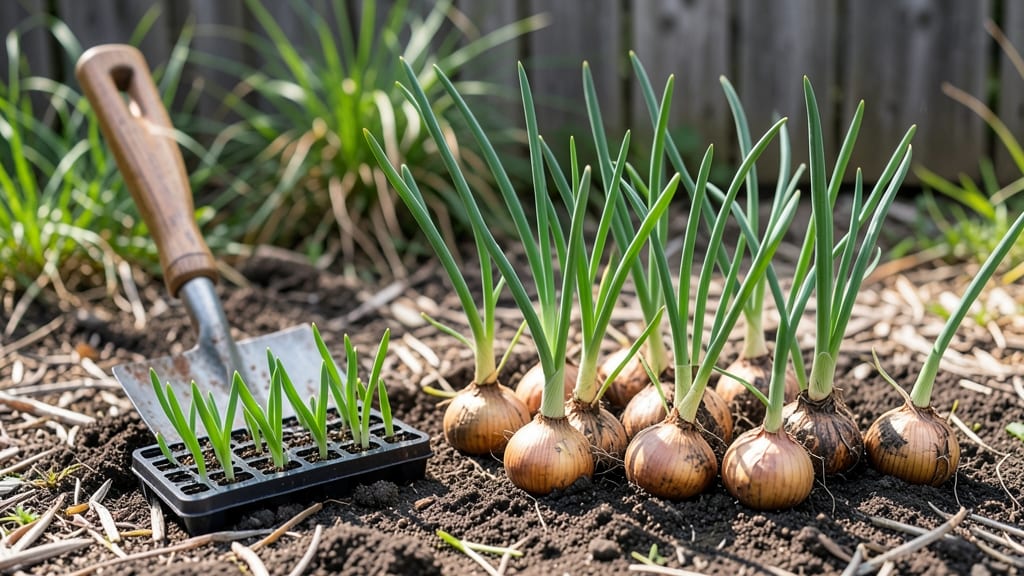
Planting onions in the fall 6-8 weeks before frost sets the stage for sweeter, larger bulbs that overwinter beautifully 🧅 — but get the timing wrong, and you’ll waste precious garden space.
Picture this: You’ve cleared the last of summer’s tomatoes, and your soil is still warm. That’s the perfect window to slip onion sets into the ground, where they’ll develop strong roots before winter slows them down. Miss it, though, and you’re left with stunted plants or worse, frost-killed seedlings.
Here’s the key: soil temps matter more than the calendar. Aim for 40–50°F soil, which in USDA Zone 6a usually lands in late September or early October. Too early, and the onions bolt; too late, and they rot before spring.
In this guide, I’ll walk you through the exact planting timeline for your zone, how to prep your soil for overwintering success, and the 3 signs your timing is perfect (or a disaster waiting to happen). Let’s get those onions in the ground right.
The perfect fall planting timeline for onions (by USDA Zone)
Fall-planted onions develop sweeter, larger bulbs because cooler temperatures reduce bitterness while allowing roots to establish before winter. The key is planting 4-6 weeks before your first frost—early enough for roots to grow but late enough to avoid summer heat stress.
Each USDA zone has specific deadlines to prevent onions from bolting or freezing before maturing.
I’ve planted onions in Zone 5 and 7 for years, and the difference between a perfect harvest and wasted seedlings comes down to timing. In colder zones, you’ll need to start earlier, while warmer zones offer a longer window.
Let’s break it down so you can plant with confidence, whether you’re in frigid Zone 3 or mild Zone 10.
Here’s the golden rule: Aim for 60-90 days of growth before winter. Onions need time to develop a 1-inch-diameter bulb before the ground freezes. Use this table to find your exact planting window based on your zone, adjusted for early/late frost regions.
| USDA Zone | First Frost Date | Planting Window | Ideal Month | Notes |
|---|---|---|---|---|
| 3-4 | Mid-September | August 15–September 15 | Late August | Start earliest—short growing season |
| 5-6 | Late September | August 1–September 15 | Early September | Adjust for early frost years |
| 7-8 | Mid-October | September 1–October 15 | Mid-September | Longer window—plant in stages |
| 9-10 | November 15 | September 15–October 31 | Late September | Mild winters—plant later |
If you’re in Zone 3 or 4, don’t wait until September—start by August 15th to give onions enough time to develop. In Zone 5 and 6, early September is ideal, but check your local frost date.
For example, Chicago (Zone 5) often sees frost by October 10th, so plant by September 1st.
Warmer zones like Zone 7-10 offer flexibility. In Zone 9 or 10, you can plant as late as October 31st because mild winters allow slower growth. I once grew onions in Zone 10’s mild winters and harvested in early spring—the bulbs were sweeter than summer-planted ones!
Pro tip: Use onion sets (small bulbs) in colder zones—they mature faster than seeds. For seeds, start indoors 8-10 weeks before transplanting to avoid bolting. Soil temperature should be 50-60°F at planting time; cooler soils slow germination.
Adjust for early frost years by planting 2 weeks earlier. In late frost years, you can push the window 1-2 weeks later. For example, if frost comes October 20th instead of November 1st, plant by September 15th instead of September 30th.
Remember, fall-planted onions harvest in spring, not fall. The bulbs overwinter in the ground, emerging stronger in spring. This method also reduces bolting (flowering) because cooler temps encourage bulb development over seed production.
For container gardening, use 5-gallon pots and plant by September 1st in Zone 5. Containers freeze faster, so add extra mulch (straw or leaves) to insulate roots. In raised beds, onions thrive with 6+ hours of sun and well-draining soil.
Now you’ve got the perfect timeline! Plant within these windows, and you’ll enjoy sweeter, larger onions next spring—no more bitter, small bulbs. Happy planting! 🌱
How to tell if your fall onion planting timing is right (or wrong)
Fall onion planting is all about catching that sweet spot between soil warmth and frost arrival. The ideal window is 6-8 weeks before your first frost date, but how do you know if you're on track?
Let me show you the key signs to watch for—because planting too early or too late can mean the difference between plump bulbs and wasted effort.
First, check your soil temperature. Onions need the ground to be cooler than 80°F (27°C) but still above 40°F (4°C). If your soil is still baking hot in late September, wait a week or two.
Use a soil thermometer for accuracy—this simple tool can save you from planting too soon and getting weak, leggy seedlings.
⚠️ Warning: Planting Too Late = Frozen Seeds
If your first frost date is November 15 (like in Zone 6a), plant by October 1-15. Seeds planted after this won't have time to germinate before freezing. Cold soil = no sprouts. Check your local USDA Zone and count backward!
🌱 Pro Tip: If frost sneaks up early, cover seedlings with row fabric or straw mulch to buy time.
Another clue? Look at your local moon phases. While not mandatory, some gardeners swear by planting onions during the waxing moon (when the moon is growing brighter) for stronger roots.
The full moon is also a good time—just avoid planting during a waning moon if you want robust growth. This is optional, but it’s a fun tradition for many gardeners!
Pay attention to your onion variety too. Short-day onions (like 'Yellow Sweet Spanish') are perfect for fall planting—they’ll form bulbs quickly in cooler weather. Long-day onions (like 'Texas Early White') need more daylight and are better suited for spring.
Always check the seed packet for days-to-maturity and adjust your timing accordingly.
Finally, watch the weather forecast for a stable, cool stretch of at least 10-14 days after planting. If your area is forecasted for unseasonable warmth, your onions might bolt (send up flowers) instead of bulbing.
Keep an eye on nighttime temperatures—they should stay above 45°F (7°C) for consistent germination.
If you’ve missed the window, don’t panic! You can still plant shallots or green onions, which are more frost-tolerant. Or, start a spring crop indoors in late winter. But for bulbing onions, timing really is everything—6-8 weeks before frost is your golden ticket to harvest next summer.