
Plants
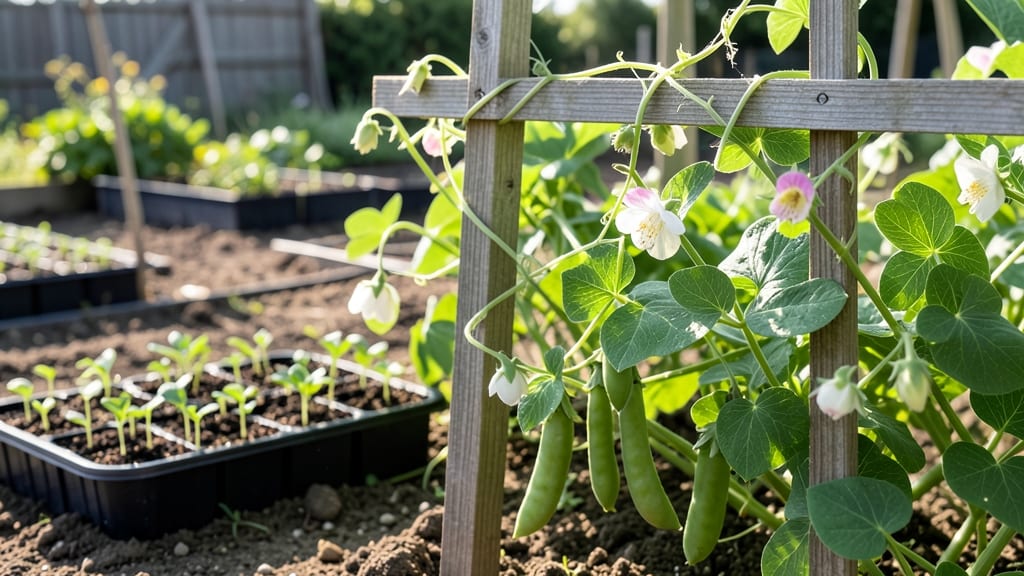
Planting peas in Arkansas at the right time means the difference between a fast, lush harvest and waiting weeks for stubborn seeds to sprout.
Arkansas gardeners know timing is everything—and peas demand precision. Plant too early, and cold soil stalls germination; too late, and heat stresses delicate seedlings. Here’s the science-backed schedule for thriving pea harvests in Arkansas’ unique climate zones.
In USDA Zones 7a-8a, your best windows are late winter through early spring (February–March) or late fall (September–October), when soil temperatures hover between 40–50°F. After that, you’re either fighting frost or racing the heat.
Below, I’ll break down the exact soil temperature tricks to speed up germination, the top varieties for Arkansas’ short season, and how to stretch your harvest from April through December.
Arkansas pea planting calendar by soil temperature zones
Arkansas’ diverse USDA Hardiness Zones 6b-8a create unique challenges for pea growers. Unlike heat-loving crops, peas thrive in cool soil (40-50°F) and struggle when temperatures climb above 80°F. The key?
Plant when soil warms enough to germinate quickly but before summer’s heat arrives. Let’s break down the optimal planting windows for each zone, including frost-free timing and soil temperature tricks.
Most Arkansas gardeners focus on two planting windows: early spring (February-March) and late fall (September-October). Spring plantings aim for harvest before summer’s heat, while fall plantings capitalize on cool autumn temperatures and avoid winter dormancy.
The soil temperature threshold for pea germination is 40°F, but ideal conditions range between 40-50°F for consistent sprouting.
Notice how soil temperature thresholds shift slightly across zones? In Zone 6b, peas can germinate in cooler soil (40°F), while Zone 8a requires warmer soil (48-50°F). This difference explains why northern Arkansas gardeners plant earlier in February, while southern gardeners wait until April.
Always check soil temperature at 2-4 inches deep—surface temps can mislead you.
For spring plantings, aim to finish sowing 4-6 weeks before your last frost date. In Zone 7a, that means planting by mid-March to harvest before summer heat.
In fall plantings, seed peas 8-10 weeks before your first frost—typically late September to early October. This timing ensures peas mature before winter chills set in.
Pro tip: Use black plastic mulch in cooler zones (6b-7a) to warm soil faster. In warmer zones (7b-8a), provide afternoon shade during peak summer to prevent bolting. Both tricks extend your pea-growing season by 2-3 weeks in either direction.
Arkansas’ microclimates add another layer of complexity. Valley areas (like the Arkansas River Valley) warm faster than mountainous regions (Ouachitas). If you’re unsure about your exact soil temperature, invest in a $15 soil thermometer—it’s the best way to avoid slow germination or heat stress in seedlings.
Don’t overlook fall planting—it’s often more productive than spring in Arkansas. Cooler autumn nights and shorter days help peas avoid bolting (flowering too early). Plus, fall-harvested peas taste sweeter after mild frost exposure. Start seeds indoors in late August for a head start, then transplant outdoors in September.
Remember: Peas
How to test soil temperature for pea germination success
Peas are finicky about soil temperature—too cold, and they won’t sprout; too warm, and they bolt. In Arkansas’s USDA Zones 6b-8a, soil temps can swing wildly between 35°F and 75°F in early spring.
A simple soil thermometer (just $10 at garden centers) is your secret weapon for timing perfect pea plantings. The ideal range for germination? 40-50°F—any lower, and you’re risking rot; any higher, and seeds may fail to sprout.
Most gardeners guess based on air temperature, but that’s a recipe for disappointment. Arkansas’s microclimates (think shady north slopes vs. sunny south exposures) can create 10°F differences in soil temps just feet apart.
Testing gives you the real story. For spring plantings, aim for consistent 45°F soil temps at 2-4 inches deep—the depth where pea seeds actually germinate.
- Soil thermometer (digital or dial-style) – Must read 0-100°F range.
- Small trowel – For making precise test holes.
- Notebook – Track temps over 3-5 days for accuracy.
- Use your trowel to dig a 2-4 inch deep hole in your planting area.
- Insert the thermometer probe horizontally (not vertically) to avoid sun-warmed surface readings.
- Wait 30 seconds for an accurate reading—don’t rush!
- Test morning (6-8 AM) and evening (4-6 PM)—soil temps fluctuate 10°F+ daily.
- Check 3 spots in your garden: sunny, shady, and average areas.
- Average the temps—45°F is your target for planting.
- If soil is below 40°F, wait 1-2 weeks or use black plastic mulch to warm soil.
- If soil is above 50°F, plant shade-tolerant varieties like 'Sugar Ann' or wait for cooler evenings.
- For Arkansas, this usually means February-March for spring peas and September-October for fall.
- If seeds sprout unevenly, soil temps were inconsistent—try a seedling heat mat ($20).
- For rock-hard soil, water the area 24 hours before planting to improve seed contact.
- If soil is too wet (below 40°F), seeds may rot—plant on drier days.
In northern Arkansas (Zone 6b), soil may not hit 45°F until late March, while southern zones (Zone 8a) can plant as early as February. Use your thermometer readings to fine-tune your schedule—this is how Arkansas gardeners beat the 10-day germination window peas demand.
Pro tip: If your soil is 55°F+, switch to snap peas like 'Oregon Sugar Pod', which tolerate slightly warmer soil.
Don’t let slow germination ruin your pea harvest. If you’ve tested your soil and it’s consistently 40-50°F for 3+ days, go ahead and plant. But if temps dip below 40°F at night, cover seeds with straw mulch (2 inches thick) to insulate them.
Patience pays off—peas planted at the right soil temp will sprout in 7-14 days and reward you with sweet, crisp pods in just 60 days.
Remember: Arkansas’s spring frost dates vary by 2-3 weeks across the state. Use your soil thermometer to time plantings so peas mature before the last frost (usually mid-March in north Arkansas, early March in the south).
With this method, you’ll avoid the heartbreak of bolting peas or frost-nipped seedlings—and enjoy a bountiful harvest instead. 🌱