
Plants
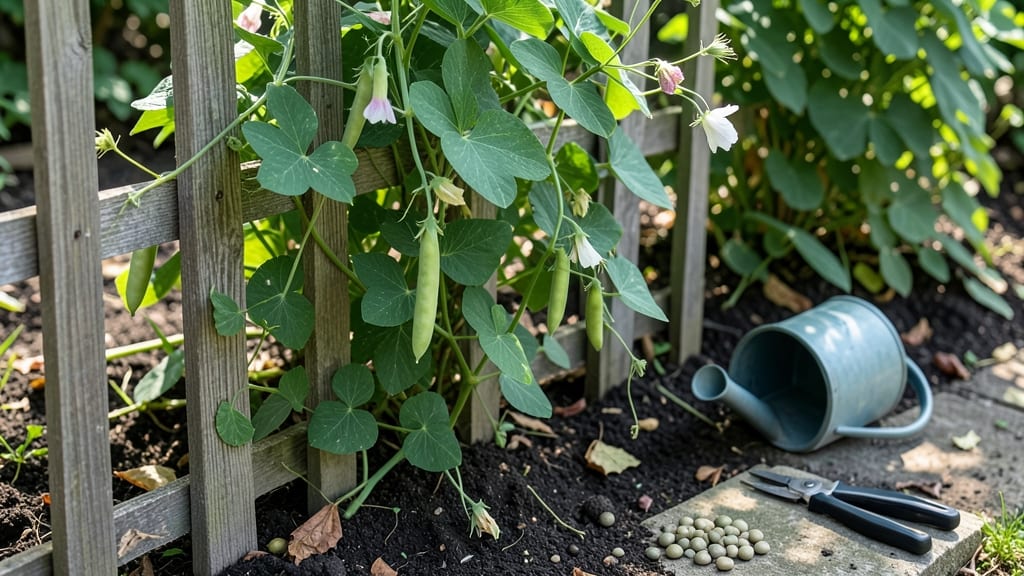
To plant peas in Maryland, aim for early spring (February–March) or fall (August–September) when soil temps hit 45°F—the sweet spot for germination before summer heat sets in.
Maryland gardeners know timing is everything—especially for cool-season crops like peas. Plant too early, and frost will kill your tender seedlings; too late, and summer heat will stunt growth. Get the deadlines right, and you’ll enjoy sweet, fresh peas straight from your USDA Zone 7b garden.
Spring plantings thrive when sown 4–6 weeks before the last frost (mid-April in most of Maryland), while fall crops should go in by early September to mature before the first frost in November. Miss these windows, and you risk either leggy, weak plants or a harvest that never materializes.
Below, I’ll break down the exact dates for your zone, soil prep tricks to speed up germination, and companion plants that keep pests away—so you can go from seed to snack in just 60 days.
Maryland pea planting deadlines by month: zone 7b’s best window
Peas thrive in Maryland’s cool-season climate, but timing is critical to avoid frost damage or summer heat stress. In USDA Zone 7b, the last average frost date is around April 15, while the first frost typically arrives by November 15.
Planting too early risks freezing soil, while late plantings may struggle with heat exhaustion. Let’s break down the best month-by-month windows for both spring and fall harvests.
For spring peas, the ideal window opens in February and closes by early April. This gives seedlings time to establish before the last frost hits. Fall peas should be sown between mid-August and early September to mature before winter sets in.
Maryland’s variable weather patterns mean backup dates are essential—especially in years with early cold snaps or unseasonable warmth.
Here’s your Maryland pea planting timeline, including soil temperature thresholds and frost risk factors:
| Month | Planting Window | Soil Temp (°F) | Frost Risk | Notes |
|---|---|---|---|---|
| January | Backup only (if soil is workable) | 40–45°F | High (use row covers) | Only for hardy varieties like Sugar Ann or Early Perfection. |
| February | Primary window (start early) | 45–50°F | Moderate (frost possible) | Best for early harvests (May–June). |
| March | Primary window (extend to late March) | 50–55°F | Low (after March 15) | Avoid late March plantings if soil is still cold. |
| April | Close window (after April 15) | 55–60°F | None (post-last frost) | Risk of heat stress; opt for shade-tolerant varieties. |
| August | Primary window (start by Aug 15) | 60–65°F | Low (if planted early) | Harvest by October–November before frost. |
| September | Backup window (early Sept only) | 55–60°F | Moderate (frost risk by Sept 30) | Use cold-hardy varieties like Lincoln. |
In Maryland’s Zone 7b, February and March are the gold standard for spring pea plantings. Aim to sow seeds 4–6 weeks before your last frost date (typically April 15).
For example, if your frost date is April 10, plant by March 1 to ensure a May harvest. Use a soil thermometer to confirm temperatures are above 45°F—cold soil delays germination.
For fall plantings, August is your
How to extend pea growing season in Maryland: frost-proofing and succession planting
Maryland’s cool, unpredictable spring can make pea growing a gamble if you don’t plan ahead. But with the right frost-proofing strategies, you can stretch your harvest from early spring to late fall—even in USDA Zone 7b’s variable climate.
The key? Combining row covers, succession planting, and smart companion choices to avoid harvest gaps.
Start by preparing your soil 2–3 weeks before planting. Peas thrive in loose, well-draining soil with a pH of 6.0–7.0. Work in compost or aged manure to boost nutrients, and avoid fresh fertilizer, which can burn tender roots.
A light mulch layer (straw or grass clippings) helps retain moisture and regulate soil temperature—critical for early and late plantings.
- 1. Start with row covers – Use floating row covers (like Reemay) to protect seedlings from late frosts (after March 15) and extend harvest into early November. Secure edges with bricks or soil to prevent wind damage.
- 2. Plant in stages – Sow every 2–3 weeks from February to April for spring, and August to September for fall. This ensures a continuous supply of fresh peas, even if one batch fails.
- 3. Pair with cold-hardy companions – Interplant peas with spinach, lettuce, or radishes to maximize space and suppress weeds. Avoid planting near onions or garlic, which stunt pea growth.
- 4. Use cold frames or cloches – For early spring or late fall plantings, cover seedlings with clear plastic cloches to trap heat. Remove during the day if temperatures rise above 75°F to prevent overheating.
- 5. Monitor soil temps – Peas germinate best in 40–85°F soil. Use a soil thermometer to time plantings. If soil is too cold (below 40°F), wait or use a black plastic mulch to warm it faster.
Don’t overlook fall planting—it’s often overlooked but just as productive. Begin sowing sugar snap or snow peas in late August for a harvest before the first frost (mid-November).
Choose dwarf varieties like ‘Little Marvel’ for smaller gardens or trellis types like ‘Oregon Sugar Pod’ for vertical space savings.
For urban gardeners, container growing works well. Use 5-gallon pots with a support trellis and plant 3–4 seeds per container. Place pots in south-facing spots and move them to protected areas during cold snaps. Water containers daily in spring and every other day in fall to prevent drying.
Keep an eye on pests and diseases during extended seasons. Pea aphids thrive in warm fall weather—spray with neem oil if infestations appear. Rotate planting locations yearly to prevent soil-borne diseases like fusarium wilt, which can linger in pea-heavy soil.
With these strategies, you’ll enjoy fresh peas for 4–5 months instead of just 2–3. The secret? Overlap plantings, protect from frost, and harvest consistently to encourage more production. Happy growing! 🌱