
Plants
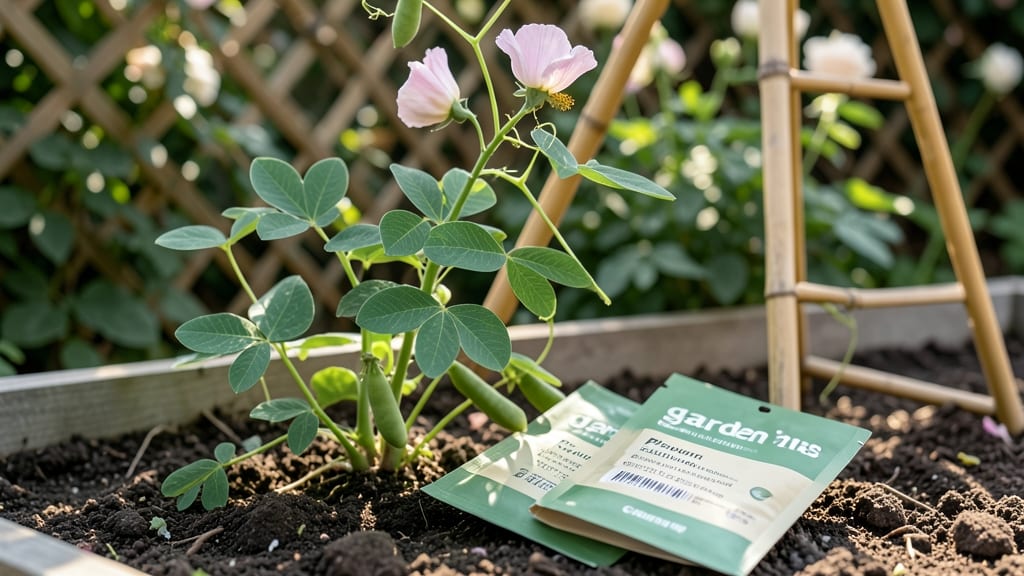
To plant peas in Northern California, aim for late winter to early spring or fall — timing that aligns with your microclimate’s frost dates and soil warmth.
Timing is everything when growing peas in Northern California—plant too early and risk frost damage, too late and miss the sweet, tender pods you crave.
But with the region’s diverse microclimates, from coastal chill to valley warmth, knowing exactly when to sow seeds can mean the difference between a bountiful harvest and a disappointing flop.
Coastal areas like San Francisco thrive with fall plantings in August or September, while inland zones such as Sacramento need to wait until November or February to avoid late frosts.
The key? Matching your variety to your zone’s last frost date—whether that’s mid-January in Redding or early February in Sacramento.
In this guide, I’ll break down the perfect planting windows for your specific region, soil prep secrets, and how to stretch your harvest from spring to fall—so you can enjoy fresh, crisp peas straight from your garden all season long.
Northern California pea planting zones: coastal vs. valley vs. foothills timelines
Northern California’s diverse climates create a puzzle for pea growers—what works in San Francisco’s coastal fog fails in Sacramento’s valley heat, and foothill gardens have their own rules. Peas thrive in cool-season temperatures (40°F–75°F), but timing varies wildly across the state.
The key? Planting when soil temps hit 40°F and frost risks are low—but not so late that vines bolt in summer heat.
Coastal areas like San Francisco and Santa Cruz enjoy milder winters, while inland valleys (e.g., Sacramento and Stockton) face harder freezes. Foothill regions (e.g., Napa or Redding) have shorter growing windows.
Below, I’ve broken down the optimal planting windows for each zone, including frost-free date calculations and soil temperature thresholds to ensure germination success.
Pro Tip: Use a soil thermometer to confirm temps—peas won’t sprout below 40°F, even if the air feels warm. Coastal gardeners can push fall plantings later than valley growers, thanks to maritime moderation. In contrast, foothills often wait until March or April to avoid spring frosts.
In coastal zones, like the San Francisco Bay Area, you can plant peas as late as November for a winter harvest, thanks to mild coastal temperatures.
The soil should stay above 40°F for germination, but a light frost won’t kill established plants. For spring, aim for February–March to avoid bolting (premature flowering) as temps rise.
Valley regions, such as Sacramento and Stockton, require earlier plantings. Start seeds indoors by October or direct-sow by November for a winter crop. Spring plantings should begin by January to ensure harvests before summer heat sets in.
Use row covers if frost threatens—peas can tolerate 28°F but not prolonged freezes.
Foothill gardeners face the tightest window: March–April is your only shot. Soil must warm to at least 50°F for reliable germination, and late frosts (common in April) can devastate young plants. Choose dwarf varieties like 'Little Marvel' to minimize frost exposure near the ground.
Soil temperature is your secret weapon. Test it with a soil thermometer at 4-inch depth—peas won’t sprout below 40°F, even if the air feels spring-like.
In coastal areas, October–November plantings often succeed when valley soils are still too cold. Conversely, foothill gardeners must wait until March when valley growers are already harvesting.
For all zones, succession planting extends harvests. Sow seeds every 2–3 weeks in fall or spring to stagger maturity. Pair this with trellises to save space and improve air circulation, reducing disease risk in Northern California’s damp winters.
With these timelines, you’ll avoid the two biggest mistakes: planting too early (frost damage) or too late (bolting).
🌱
How to extend pea season in Northern California: succession planting & cold-hardy varieties
Northern California’s mild winters and cool coastal breezes make it possible to grow peas almost year-round, but the key is choosing the right varieties and planting at the perfect times.
Unlike many vegetables, peas thrive in cool temperatures and can even tolerate light frosts, giving you two main planting windows: fall for winter harvests and early spring for summer pods. The secret to a continuous supply? Succession planting and protective growing methods.
For fall plantings, start sowing seeds in late August to early September in coastal areas or September to early October in inland valleys. This gives peas time to mature before the first frost, which typically hits between mid-November and December.
In the Sacramento Valley, aim for October plantings to avoid heat stress. Cold-hardy varieties like 'Oregon Sugar Pod' and 'Green Arrow' are excellent choices—they can handle temperatures down to 20°F and produce sweet pods even in winter’s chill.
5 Pro Tips for Foolproof Pea Growth
- 🌱 1. Plant in Stages: Sow seeds every 2-3 weeks from fall to spring for a staggered harvest. Example: Start with 10 seeds in September, then add 5 more in October, and repeat in February.
- 🪴 2. Use Trellises: Peas climb 5-8 feet with support, saving space and improving air circulation. Install 5-foot tall stakes or wire trellises at planting time to avoid disturbing roots later.
- 🌡️ 3. Protect from Frost: Use row covers or cloches to extend the season. Lightweight fabric traps heat during the day and insulates at night, allowing growth down to 15°F.
- 💧 4. Water Deeply: Peas need 1-2 cups of water per plant every 3-5 days, but avoid wetting foliage to prevent fungal diseases. Use drip irrigation or water at the base in the morning.
- 🌿 5. Rotate Locations: Peas fix nitrogen in the soil, but they’re susceptible to soil-borne diseases. Move plantings to new spots each season or interplant with carrots or radishes to break pest cycles.
Spring plantings should begin 4-6 weeks before your last frost date, which varies by region—typically mid-February to early March in the Bay Area and late February to March in the Sacramento Valley.
Choose early-maturing varieties like 'Little Marvel' (55 days) or 'Sugar Snap' (60 days) to beat the heat. If you’re in the Sierra Foothills, wait until March or April when soil temperatures rise above 40°F.
Don’t let heat stress ruin your harvest—peas bolt (flower prematurely) when temperatures exceed 80°F. In hot inland areas, opt for shade-cloth or plant peas in partial shade during peak summer months.
Pair them with leafy greens like lettuce or spinach, which thrive in the same cool conditions but won’t compete for space on your trellis.
With these strategies, you can enjoy fresh peas from October through June, even in Northern California’s varied climate. The key is planning ahead, protecting your plants from extremes, and choosing varieties that match your microclimate. Happy growing—and may your pods always be sweet and plentiful! 🌱