
Plants
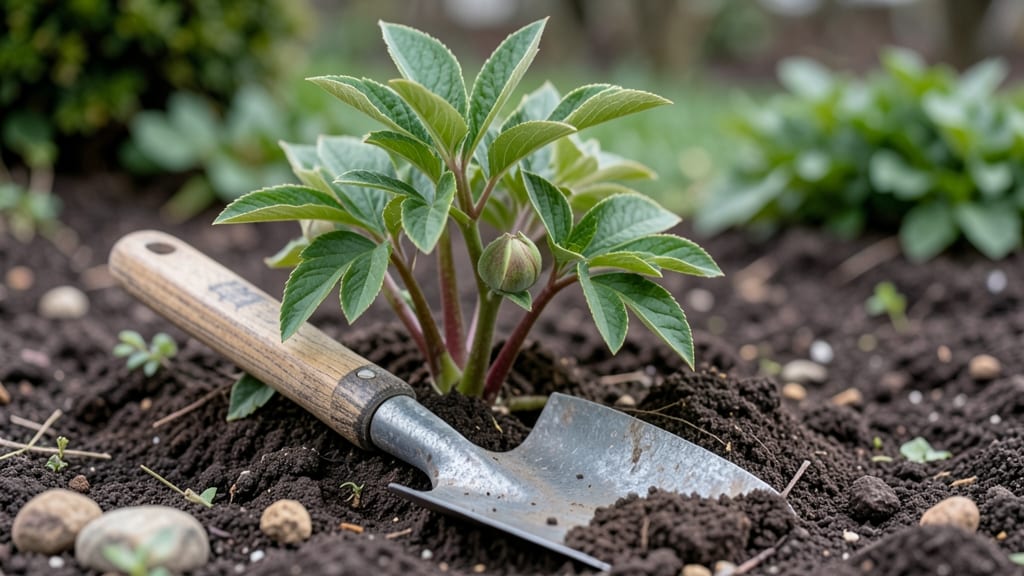
Plant peonies in Kentucky between September and October for the best chance at hardy roots and bold blooms next spring—this is the golden window for Zone 6a gardeners like you.
Peonies are Kentucky gardeners’ secret weapon for long-lasting, fragrant blooms—but planting them at the wrong time can mean years of disappointment. Timing matters more than most gardeners realize, especially in Zones 6-7 where early frosts and soil conditions play critical roles.
Fall planting gives those 🌸 peony crowns a head start, letting roots establish before winter’s chill. Spring is a backup, but it risks stunted growth if you wait too late. Kentucky’s first frost usually hits mid-October, so aim to get them in the ground 4-6 weeks before that date.
Below, I’ll break down the exact month-by-month schedule for your region, soil prep tricks to avoid common mistakes, and why bare-root peonies often outperform potted ones in Kentucky’s clay-heavy soil.
Best planting months for peonies in Kentucky Zones 6-7
If you're dreaming of lush peony blooms in your Kentucky garden, timing is everything. In Zones 6-7, where winters can be harsh and springs unpredictable, planting peonies at the wrong time means waiting years—or worse—for those iconic fragrant flowers.
The best window? Early fall takes the crown, but spring has its place too.
Kentucky’s climate—with its early frosts (often by mid-October) and variable soil temperatures—demands precision. Louisville and Lexington gardeners swear by September-October planting for root establishment before winter, but spring planting works too if done right.
Let’s break down the science behind these windows and how to nail it in your region.
🌸
For Kentucky gardeners, early fall planting (late September to early October) is the gold standard. Why? Peonies need 6-8 weeks to establish roots before winter dormancy.
By planting in September, roots grow in the mild fall weather, then harden off naturally before frost hits—usually around mid-October in Louisville and late October in Lexington.
Soil temperatures are key here. Aim for 50-60°F—warmer than spring’s 45-55°F range, which can lead to rot-prone conditions if the ground stays soggy. Use a soil thermometer to check: if temps drop below 50°F, roots struggle to knit together before winter.
🌿
Spring planting is trickier but doable if you time it right. In Kentucky’s Zone 6a, wait until mid-March to early April when soil temperatures consistently stay above 50°F.
The biggest risk? Late frosts—Kentucky’s average last frost date is April 15, but microclimates (like valleys) can delay it by weeks.
Pro tip: If you plant in spring, choose potted peonies over bare-root—they’re less stressed and establish faster. For bare-root peonies, soak roots for 2-3 hours before planting to jumpstart growth. And never plant after November; the roots won’t have time to harden before frost.
✂️
Kentucky’s microclimates add another layer of complexity. In the Bluegrass region (Lexington, Louisville), soil warms faster in spring, while the Pennyrile Plateau (Paducah) stays cooler longer.
Check your local USDA frost map and adjust: if your area has a history of late frosts, err on the side of late spring planting (early April) to avoid damage.
One more critical detail: peony eyes (the buds) must face downward and be planted 2 inches deep. In Kentucky’s clay-heavy soils, amend with compost to improve drainage—peaty, well-draining soil is non-negotiable for peonies. After planting, water deeply but avoid soggy soil, which invites rot.
🌱
Ready to plant? Mark your calendar for September 15-October 15 for fall planting or March 20-April 10 for spring. And remember: patience is key.
Peonies often take 2-3 years to bloom after planting, but with the right timing, you’ll be rewarded with decades of fragrant blooms—a Kentucky gardener’s pride.
How Kentucky’s climate affects peony root establishment
Kentucky’s humid subtropical climate with distinct seasonal shifts creates unique challenges for peony root establishment. The Bluegrass region (like Lexington) enjoys milder winters, while the Pennyrile Plateau (near Paducah) faces harsher temperature fluctuations—both impact when and how you should plant.
Peony roots thrive when soil temperatures hover between 40°F and 60°F. In Kentucky, this window opens in late September and closes by mid-November before winter dormancy sets in. Missing this window means roots won’t establish properly before frost, leading to poor blooms or plant death.
⚠️ callout warning
Kentucky’s first frost typically arrives by October 15, but soil temperatures can drop faster in the Pennyrile Plateau. Planting after October 15 risks roots freezing before they establish. Use a soil thermometer to confirm temps are above 45°F at planting depth.
💡 Pro Tip: Check your local weather forecast for 10-day lows. If nights dip below 35°F, delay planting until spring.
Kentucky’s clay-heavy soils (common in the Bluegrass) retain too much moisture, while sandy soils in western regions drain too quickly. Both extremes stress peony roots. Amend your soil with compost or sand to improve moisture retention without compacting it.
Spring planting is risky in Kentucky because peonies hate transplant shock. If you must plant in March or April, water deeply every 3-4 days until roots establish by mid-May.
The Bluegrass region’s earlier last frost (around April 15) gives you a slightly longer window than western Kentucky.
Microclimates matter! South-facing slopes in the Bluegrass warm faster in spring, while valleys stay cooler longer. Adjust planting dates by 1-2 weeks if your yard sits in a frost pocket. Always plant 2 inches deeper than the root’s crown to protect against temperature swings.
Monitor your peonies’ progress by checking for new foliage in spring. If growth is slow, your planting timing or soil conditions may need adjustment. With the right approach, Kentucky’s climate can actually enhance peony blooms—just time it right! 🌸