
Plants
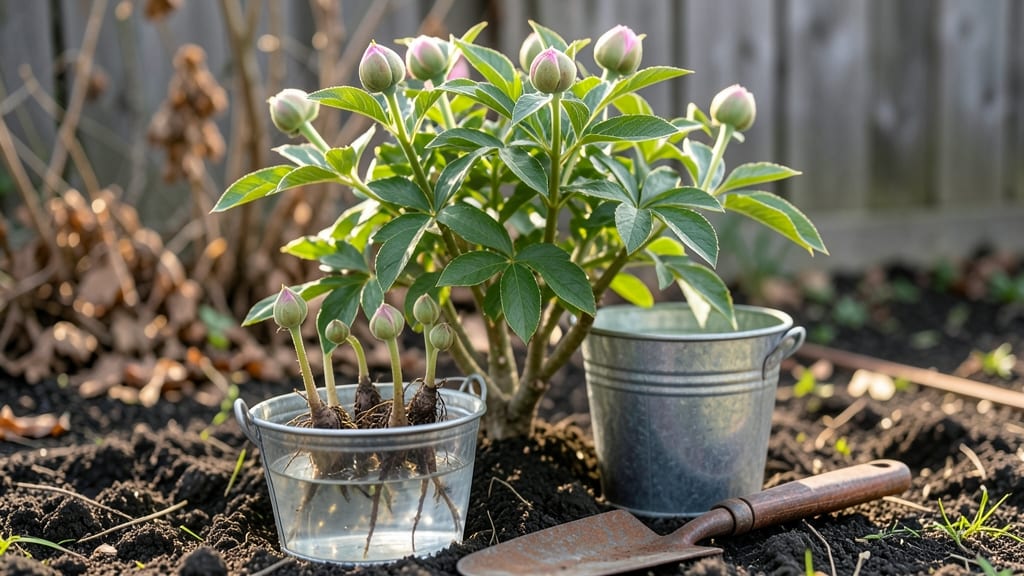
Planting peonies in Maryland during early to mid-autumn ensures they establish strong roots before winter’s chill 🌸 — the ideal window for these hardy perennials.
Maryland gardeners know peonies reward patience with stunning, fragrant blooms—but timing is everything. Plant too early, and they’ll struggle with winter’s bite; too late, and they may never establish strong roots.
Maryland’s USDA zones 6b-7a create a unique challenge: soil stays workable longer than in colder climates, but frost can sneak in by November. The sweet spot is September through early October, when temperatures hover in the 50s and soil stays warm enough to encourage root growth.
Below, I’ll break down the exact months for your Maryland location, soil prep tips to avoid soggy roots, and whether to go for bare-root or potted peonies for long-lasting blooms year after year.
Best planting months for peonies in Maryland’s climate zones
Maryland’s diverse microclimates—from Baltimore’s urban warmth to the Eastern Shore’s coastal breezes—create unique challenges for peony planting. While USDA Zones 6b-7a dominate the state, local variations mean your best planting window could shift by weeks.
Peonies thrive when planted while soil temperatures hover between 40°F and 50°F, allowing roots to establish before winter dormancy. Let’s break down the ideal months for Maryland’s three key regions to ensure your peonies bloom like showstoppers next spring.
For Baltimore and Central Maryland (Zone 7a), the sweet spot is early September through mid-October. This window accounts for the area’s humid summers and cool, wet springs. Planting too early risks fungal diseases from lingering moisture, while late October planting may leave roots vulnerable to early winter frosts.
The Eastern Shore, with its milder coastal climate (Zone 7b), extends the window slightly—aim for late September to early November—thanks to delayed frost dates.
Western Maryland, including Frederick and Garrett counties (Zone 6b), demands earlier action: mid-August to early October. These areas experience earlier frosts and cooler soils, so don’t wait until September. A soil thermometer is your best friend—peony roots need 4-6 weeks to establish before ground freezes. Pro tip: Bare-root peonies planted in fall have a higher success rate than spring plantings, which often struggle with competition from emerging weeds.
While fall planting is ideal, Maryland gardeners can plant peonies in early spring (March–April) if absolutely necessary. However, this approach carries risks: late frosts can damage tender new growth, and peonies may bloom later or produce fewer flowers their first year.
If you must spring-plant, choose container-grown peonies over bare-root—they establish faster and handle transplant shock better. For Baltimore’s clay-heavy soils, amend with compost to improve drainage, while Eastern Shore gardeners should focus on sandy soil moisture retention.
Timing isn’t the only factor—soil preparation matters just as much. Maryland’s clay soils (common in central regions) can suffocate peony roots, while sandy soils (Eastern Shore) dry out too quickly. Aim for a loamy, well-draining mix with a pH between 6.0 and 7.0
How Maryland’s weather affects peony root establishment
Maryland’s unpredictable weather can make or break your peony’s root establishment. From spring frost risks to summer droughts, peonies need the right conditions to thrive. In USDA Zones 6b-7a, timing your planting to avoid these challenges is key to ensuring strong, healthy roots that support those iconic blooms.
One of the biggest hurdles is soil moisture during Maryland’s hot, humid summers. Peonies hate soggy roots, but they also struggle in dry soil. The transition from spring to summer is particularly critical—too much rain can rot roots, while drought stress weakens them before winter.
Balancing moisture is essential for root development.
Another critical factor is spring frost dates, which can vary widely across Maryland. If you plant too late in fall, young roots may not establish before winter sets in.
Conversely, planting too early in spring risks exposing tender roots to late frosts, which can stunt growth or even kill the plant.
🌸
⚠️ Maryland’s Weather Pitfalls for Peonies
Timing is everything: Planting in September-October gives roots time to establish before winter, but avoid November—frost can damage new growth. Spring planting (March-April) is riskier due to late frosts.
Soil moisture matters: Maryland’s clay-heavy soils retain too much moisture, while sandy areas dry out fast. Amend soil with compost to improve drainage and water retention.
Summer heat stress: Peonies need consistent moisture during June-August. Mulch heavily to retain soil moisture and protect roots from extreme temperatures.
To protect peonies during Maryland’s unpredictable transitions, focus on mulching and watering consistency. A 3-inch layer of mulch helps regulate soil temperature and retain moisture, especially during summer heatwaves.
Water deeply but infrequently—aim for 1 inch of water per week, delivered in the early morning to reduce evaporation and fungal risks.
If you’re planting in late fall, choose a sheltered location to protect roots from winter winds. In spring, watch for late frost warnings and cover young plants with frost cloth if temperatures dip below 28°F.
These precautions will give your peonies the best chance to establish strong roots before Maryland’s next seasonal shift.
Remember, peonies are perennials, meaning they’ll reward your patience with decades of blooms if you give them the right start. By understanding Maryland’s weather patterns and adjusting your care accordingly, you’ll set your peonies up for success—no matter what the season brings.
☀️