
Plants
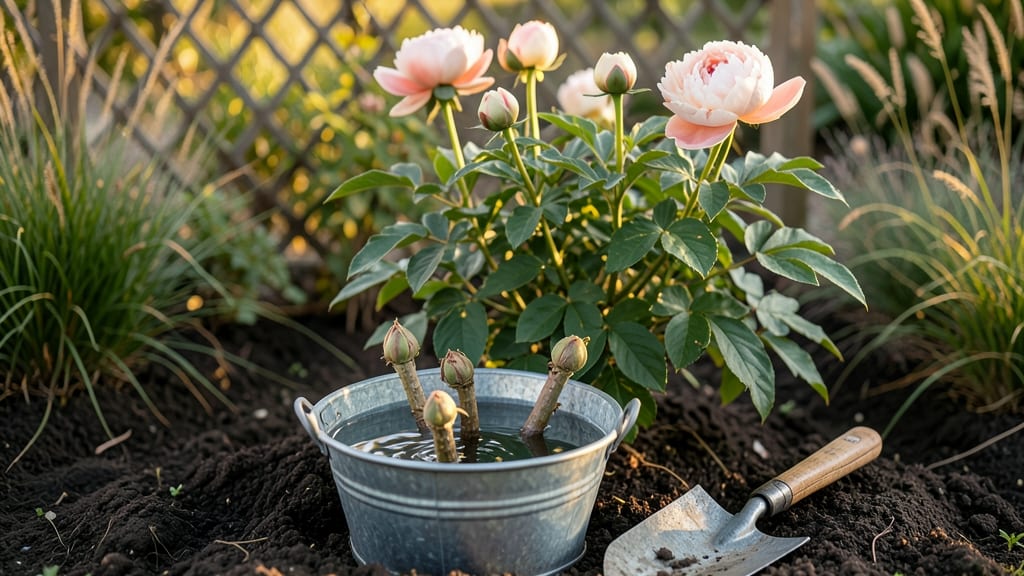
Plant peonies in spring when the soil reaches 50-60°F—the moment that separates a two-year wait for blooms from a first flush of 🌸 in year one.
Peonies are the crown jewels of perennial gardens—but planting them at the wrong time can mean years of waiting for those lush blooms. Timing isn’t just about the calendar; it’s about soil warmth, and one simple test can guarantee your peonies thrive from day one.
If you’ve ever dug into cold, damp earth only to watch your new peony roots rot before they even take hold, you know how critical this step is.
The difference between stunted growth and showstopping blooms often comes down to when you put them in the ground—and whether your soil is ready.
In this guide, I’ll walk you through the exact soil warmth test that professional growers use, plus zone-by-zone planting windows so you can time it perfectly. No more guesswork—just blooms on schedule.
How to test soil warmth for peony planting success
Peonies need warm soil to establish roots quickly and avoid frost damage. Planting too early in cold soil can stunt growth, while waiting too long risks missing the ideal window.
The secret? A soil thermometer—this simple tool tells you exactly when your soil is ready for peonies, usually between 50°F and 60°F.
Cold soil slows root development, leaving peonies vulnerable to rot or heaving during freeze-thaw cycles. Worse, roots planted in cold soil may not wake up until summer, delaying blooms by a full year. But don’t worry—this test takes just 5 minutes and saves you from costly mistakes.
- Choose a sunny spot where you’ll plant peonies. Avoid shady areas—they warm up slower.
- Insert a soil thermometer 4-6 inches deep (the depth peony roots will grow). Hold it for 30 seconds.
- Check the reading: 50°F-60°F is perfect. Below 50°F? Wait 1-2 weeks and retest.
- Morning is best—soil temps fluctuate less than in afternoon sun.
- If temps are ideal but frost is forecasted, plant anyway. Peonies handle light frost once roots are in the ground.
Pro tip: Bare-root peonies (the most common type) need warmer soil than container-grown ones. If you’re planting bare-root, aim for the upper end of the range (55°F-60°F)—their roots are more sensitive to cold. Container-grown peonies can handle slightly cooler soil (45°F-50°F) since their roots are already established.
Regional timing varies wildly. In USDA Zones 3-5, test soil in late April to early May. Gardeners in Zones 6-8 can start as early as March, while Zones 9-10 should plant in February to avoid summer heat stress.
Always check your local last frost date—peonies can handle light frost but not deep freezes.
Watch for false warm-ups. A sunny afternoon might read 60°F, but nighttime temps could drop. Take readings at the same time daily (morning is most reliable) for consistency.
If you’re unsure, err on the side of waiting—peonies planted in too-cold soil often produce smaller blooms or none at all the first year.
After planting, mulch with 2-3 inches of straw or shredded leaves to lock in warmth. This helps roots establish faster, especially in northern climates where soil warms slowly. Avoid synthetic mulches—they can overheat roots in summer.
Common mistake: Planting too deep. Peony crowns should sit 1-2 inches below soil. If buried deeper, they’ll rot; if too shallow, they’ll heave out of the ground. Use a soil thermometer to confirm depth—warmth at planting depth ensures roots won’t shock.
Once your peonies are in the ground and soil is warm, give them a deep watering to settle roots. Avoid overwatering—peonies hate soggy soil. Within 2-3 weeks, you’ll see new growth. If you’ve timed it right, you’ll have full blooms by next spring!
🌸
Peony planting timeline by USDA zone: exact months to plant
Peonies thrive when planted at the right time, but the perfect window shifts dramatically across USDA zones 3-9. In colder zones, you’ll plant earlier to avoid frost, while warmer zones offer a longer spring planting season.
The key? Soil temperature—aim for 50-60°F—not just the calendar. Let’s break down the exact months for bare-root and container-grown peonies by zone, so you never miss the sweet spot for those dreamy blooms.
Bare-root peonies are the most popular choice, but their planting window is narrower than container-grown varieties. If you’re working with roots, act fast—once they start growing, their window closes. Container-grown peonies, however, give you more flexibility, often allowing planting up to 2 weeks later in the season.
Below, we’ll compare both methods by zone, so you can choose what works best for your climate and schedule.
🌱 Pro Tip: If your spring is unpredictable (like in Zone 5 or higher), err on the earlier side. Late-planted peonies may not bloom until their second or even third year.
| USDA Zone | Bare-Root Planting Window | Container-Grown Planting Window | Bloom Timing Impact |
|---|---|---|---|
| Zone 3 | Late April - Early May | Late April - Mid-May | Blooms year 1 if planted early |
| Zone 4 | Mid-April - Late April | Mid-April - Early May | Blooms year 1-2 depending on frost |
| Zone 5 | Early April - Mid-April | Early April - Late April | Reliable year 1 blooms if soil warms quickly |
| Zone 6 | Mid-March - Early April | Mid-March - Mid-April | Guaranteed year 1 blooms with proper care |
| Zone 7 | Late February - Mid-March | Late February - Early April | Blooms year 1; may rebloom in fall |
| Zone 8 | January - Early February | January - Mid-March | Year-round blooms possible with mild winters |
| Zone 9 | December - January | December - February | Blooms year 1; may flower twice |
🌸 Note: Adjust dates 1-2 weeks earlier for early springs or later for late frosts.
In Zone 3, where winters are harsh, planting bare-root peonies in late April ensures they establish roots before the first frost. Meanwhile, gardeners in Zone 9 can plant as early as December, taking advantage of mild winters.
The difference? Zone 9 peonies often bloom twice a year, while colder zones may only see one stunning spring show.
If you’re unsure about your last frost date, check your local USDA Plant Hardiness Zone Map or ask your local nursery.
For container-grown peonies, you can push the window slightly later, but never plant after mid-May in most zones—this risks stunted growth and delayed blooms. Soil temperature is your real guide, not the calendar.
Once planted, mulch your peonies with 2-3 inches of organic mulch to protect roots and retain moisture. This is especially critical in Zones 4-6, where temperature swings can stress young plants.
With the right timing, your peonies will reward you with 3-5 years of stunning blooms—and the secret starts with planting them at the perfect moment.