
Plants
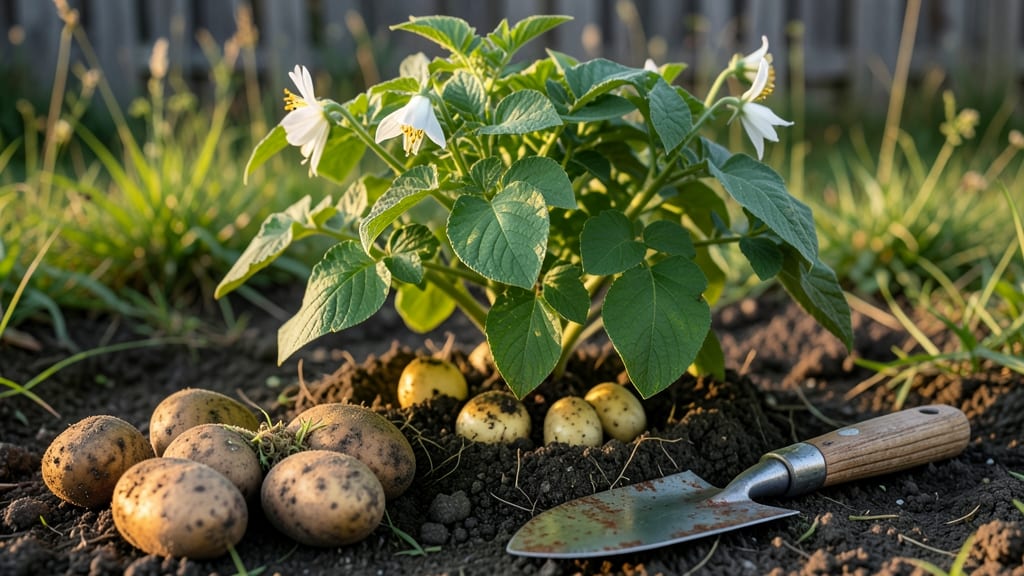
Plant potatoes in Middle Tennessee when soil temperatures hit 45°F and the last frost date looms — typically between February and early March for the best harvests.
Miss that window, and you risk frost-nipped tubers or a late-season scramble to beat the heat. But get it right, and you’ll enjoy bigger yields and fewer pests, thanks to the perfect balance of spring warmth and summer moisture.
Here’s the exact timing you need for USDA Zone 7b, plus how to prep your soil and choose the right varieties for your schedule.
From chitting seed potatoes to adjusting for early vs. late harvests, I’ll walk you through every step to ensure your 🥔 crop thrives in Middle Tennessee’s unpredictable spring.
Optimal potato planting dates in Middle Tennessee (Zone 7b): frost-free timing guide
Middle Tennessee’s Zone 7b climate offers gardeners a unique advantage for growing potatoes—longer growing seasons and milder winters than northern regions. However, timing your planting is critical to avoid frost damage or stunted yields.
The average last frost date in Nashville and surrounding areas is around March 15, but soil temperatures must reach 45°F before planting for optimal germination.
For the best results, I recommend planting potatoes in three distinct windows: early spring, mid-spring, and even a late-season option for fall harvests. Each window caters to different potato varieties and maturity rates, ensuring you can enjoy fresh spuds from June through September.
Let’s break down the exact dates and conditions for each planting window to maximize your harvest.
My early spring planting window (February 15 - March 1) is ideal for early-maturing varieties like Red Pontiac or Yukon Gold. These potatoes can tolerate cooler soil and still produce a harvest by early summer.
To minimize frost risk, I always chit my seed potatoes (sprout them indoors) 4-6 weeks before planting. This gives them a head start and ensures faster emergence once soil temperatures rise.
For mid-spring planting (March 15 - April 15), the risk of frost drops significantly, making it the safest and most productive window for most gardeners. This is when I plant longer-season varieties like Kennebec or Russet Burbank, which need the full growing season to reach their peak yield.
By this time, soil temperatures consistently stay above 50°F, ensuring steady growth without the stress of cold snaps.
Don’t overlook the late-season option (July 1 - July 15) for fall harvests. This window works best for fast-maturing varieties like fingerlings or Purple Viking, which can be planted after early crops are harvested.
The key here is to harvest before the first frost (typically around November 15 in Zone 7b), so time your planting to ensure tubers mature in 8-10 weeks.
To determine the best planting window for your garden, I always check the 7-day soil temperature forecast and monitor local frost alerts. You can also use a soil thermometer to confirm temperatures before planting.
For example, if your soil is still below 45°F in early March, wait a few more weeks to avoid slow germination or rot.
Pro tip: If you’re unsure about frost dates, I recommend using row covers or black plastic mulch for early plantings. These can raise soil temperatures by 5-10°F and protect young plants from unexpected cold snaps. For mid-spring plantings, focus on well-draining soil and consistent moisture to encourage strong tuber formation.
Remember, potatoes thrive in loose, sandy soil with plenty of organic matter. Before planting, I always amend my beds with compost or aged manure and avoid fresh nitrogen-rich fertilizers, which can lead to excessive foliage at the expense of tubers.
With the right timing and soil prep, you’ll be harvesting bountiful potatoes all season long!
How to adjust planting for early vs late varieties: choosing the right potatoes for your schedule
Middle Tennessee’s Zone 7b climate lets you grow potatoes year-round, but the key is matching variety maturity to your planting schedule. Early varieties like red potatoes thrive with quick harvests, while late varieties like Russets need more time to bulk up before frost.
Let’s break down the best options for your timeline.
Your planting window starts as early as February for late varieties, but early potatoes can go in by March. The trick is aligning your harvest goals with the 190 frost-free days in Middle Tennessee. For example, if you want new potatoes by June, early varieties are your best bet.
| Variety Type | Best Planting Window | Days to Harvest | Harvest Window | Yield Potential |
|---|---|---|---|---|
| Early (Red Potatoes) | March 15–April 15 | 60–90 days | June–July | Moderate (2–3 lbs per plant) |
| Mid-Season (Yukon Gold) | February 20–March 30 | 90–110 days | July–August | High (3–5 lbs per plant) |
| Late (Russet) | February 1–March 15 | 110–120 days | August–September | Very High (5–7 lbs per plant) |
Early varieties like Red Pontiac are perfect if you’re short on time or want new potatoes for early summer salads. Plant them in late March and harvest by June—just in time for Memorial Day picnics.
These potatoes mature quickly but yield less per plant, so plant more if you need quantity.
For a balanced harvest, mid-season varieties like Yukon Gold are my top pick. They give you buttery texture and high yields when planted in late February to early March.
Their 90–110 day window aligns perfectly with Middle Tennessee’s growing season, ensuring you avoid early frost while maximizing tuber size.
If you’re dreaming of baking potatoes or want to store your harvest through winter, late varieties like Russet Burbank are worth the wait. Plant them in early February for a September harvest.
These potatoes need the full growing season to develop their signature thick skins, but the payoff is 5–7 lbs per plant and excellent storage life.
Pro tip: For continuous harvests, stagger your plantings! Start with late varieties in February, then add mid-season in March, and finish with early varieties in April. This way, you’ll have fresh potatoes from June through September without overcrowding your garden.
Remember, soil temperature matters just as much as calendar dates. Wait until the ground warms to 45°F before planting—cold soil can stunt growth. Use a soil thermometer to check, especially in unpredictable Middle Tennessee springs. 🌱