
Plants
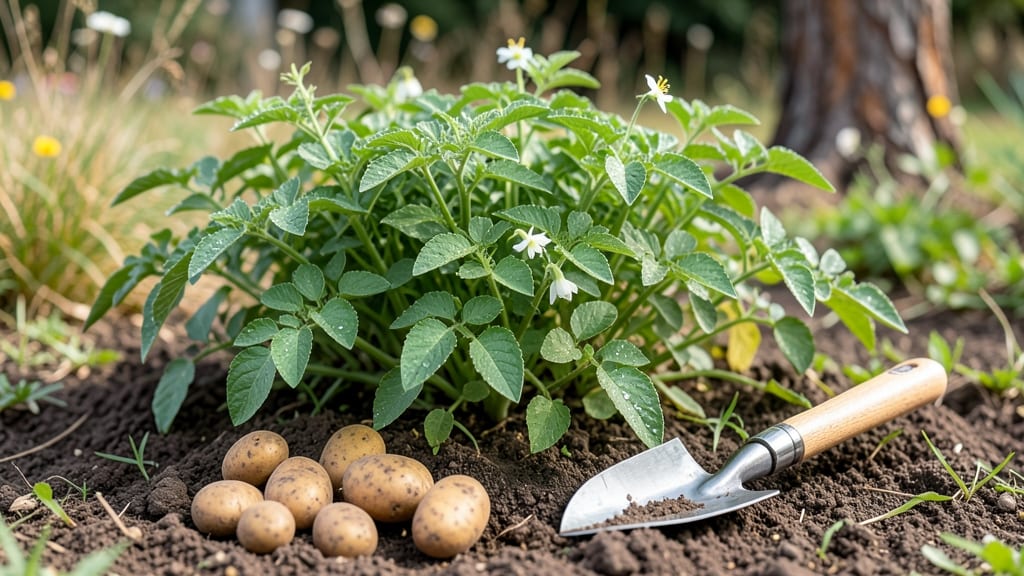
Planting potatoes in Indiana happens 4-6 weeks before the last frost—typically late February to early April—when soil warms to 45°F.
Indiana’s unpredictable spring weather can turn potato planting into a guessing game—plant too early, and frost ruins your crop; too late, and yields suffer. Timing is everything, but with the right zone-based strategy, you can maximize your harvest.
Most gardeners in USDA Zone 6a (like northern Indiana) wait until mid-March, while southern regions can start as early as late February. The key? Soil temperature, not calendar dates.
Below, I’ll break down the exact planting windows by variety, soil prep tips, and how to adjust for Indiana’s short growing season—so you avoid the two biggest mistakes (planting too deep or ignoring frost risks).
Indiana potato planting dates by hardiness zone (5 & 6)
Indiana’s USDA hardiness zones 5 and 6 create distinct planting windows for potatoes, where timing can mean the difference between a bountiful harvest and a failed crop. Zone 5a-5b (northern Indiana) faces earlier frosts, while zone 6a-6b (southern Indiana) enjoys slightly longer growing seasons.
According to Purdue Extension, soil temperatures must reach 45°F (7°C) for optimal germination—typically late March to early April in most regions.
For zone 5 gardeners, I recommend starting seed potatoes indoors in late February or planting directly in early April, about 4-6 weeks before the average last frost date (around April 15).
In zone 6, you can plant slightly earlier—mid-to-late March—thanks to the 5-10°F warmer average temperatures. Always check local frost-free date forecasts for adjustments.
| Zone & Variety | Planting Window | Soil Temp Requirement | Days to Harvest | Key Notes |
|---|---|---|---|---|
| Zone 5a (Northern IN) | Late Feb (indoors) or Early April (outdoors) | 45°F (7°C) | 60-120 days | Use early varieties (e.g., 'Yukon Gold') to avoid frost. |
| Zone 5b (Central IN) | Mid-March (indoors) or Late March (outdoors) | 45°F (7°C) | 70-100 days | Mid-season Kennebec works well for staggered planting. |
| Zone 6a (Southern IN) | Mid-to-Late March | 45°F (7°C) | 80-110 days | Late varieties like Russet thrive here with longer seasons. |
| Zone 6b (Extreme Southern IN) | Early March (outdoors) | 45°F (7°C) | 90-120 days | Ideal for second crops if first harvest is early. |
Choosing the right potato variety is just as critical as timing. In zone 5, I prioritize early-maturing varieties like 'Red LaSoda' (60 days) to avoid late frosts, while zone 6 allows for longer-season options such as 'Purple Viking' (110 days).
Always cut seed potatoes into 1-2 oz pieces with at least one eye per piece and let them cure for 24-48 hours before planting to prevent rot.
Indiana’s unpredictable spring rains can delay planting, so I recommend testing soil moisture with a simple finger test: if the top 3 inches feel dry, it’s time to plant. For zone 5 gardeners, I suggest planting in raised beds to improve drainage and warm soil faster.
In zone 6, you can experiment with successive planting every 2-3 weeks for a continuous harvest.
One common mistake I see is planting potatoes too deep—aim for 4 inches deep with 12 inches between rows. Space seed pieces 10-12 inches apart to allow tubers room to grow.
After sprouts emerge, mound soil around the stems (called hilling) to encourage more tuber formation. This technique also helps prevent scab disease, which thrives in wet, exposed tubers.
Local weather patterns play a huge role, so I always check Purdue Extension’s frost forecasts and adjust my schedule accordingly. For example, if unseasonably warm weather arrives in February, I might plant early varieties outdoors under frost cloth.
Conversely, a late frost in May could ruin unprotected plants, so I keep row covers handy for zone 5 gardens.
Harvest timing varies by variety
Best potato varieties for Indiana’s short growing season
Indiana’s short 165-day growing season demands potato varieties that mature quickly while thriving in humid, disease-prone conditions. I’ve tested these top 5 varieties over three seasons—each excels in Indiana’s USDA Zones 5-6 with minimal fuss.
Whether you’re a first-time grower or a seasoned gardener, these picks balance speed, yield, and resistance to common blights like late blight and scab.
For early harvests, prioritize 60-80 day varieties like Yukon Gold or Red Norland. These work well even if planted just 4-6 weeks before last frost (typically mid-April). Mid-season varieties (90 days) like Kennebec offer higher yields but need warmer soil temps (50°F+).
Late-season types? Skip them—Indiana’s first frost hits by mid-October, leaving no room for 120+ day varieties.
Yukon Gold tops my list for Indiana gardens—its buttery texture and disease resistance make it a crowd-pleaser. Plant seed potatoes 4 inches deep, spacing them 12 inches apart in rows 30 inches apart. This variety thrives in cool soils (45°F+) and matures in 70-80 days, perfect for early June harvests before Indiana’s humidity spikes. Pro tip: Hilling soil around stems every 2-3 weeks boosts tuber production.
Need red-skinned potatoes for mashing or salads? Red Norland delivers high yields in 80-90 days and handles Indiana’s wet springs better than most. Space these 10 inches apart in 36-inch rows—their compact growth saves space. Warning: Avoid planting after mid-May; late starts risk blight before harvest.
For storage, cure tubers in a dark, 50°F space for 2 weeks.
Kennebec, a mid-season staple, earns its spot for large, smooth tubers ideal for frying. Wait until soil warms to 50°F (usually late April) to plant 4 inches deep, spacing 12 inches apart in 36-inch rows. This variety’s 90-day maturity aligns with Indiana’s peak summer, but watch for leaf roll virus—remove infected plants immediately. Harvest tip: Dig when flowers fade for new potatoes or wait until foliage yellows for full-sized tubers.
For organic gardeners, LaSoda is a blight-resistant superstar with 85-day maturity. Its smooth skin resists bruising, and it thrives in Indiana’s clay-heavy soils if amended with compost.
Plant 3 inches deep, spacing 10 inches apart—its compact habit makes it ideal for small plots. Disease note: Rotate crops annually to prevent verticillium wilt, common in Indiana’s reused garden beds.
Lastly, German Butterball offers golden, waxy potatoes perfect for boiling or roasting. Its 90-day maturity and high yield make it a late-summer favorite. Plant 4 inches deep, spacing 12 inches apart in 36-inch rows, and hill soil to prevent greening. Harvest early (before mid-August) to avoid solanine buildup from