
Plants
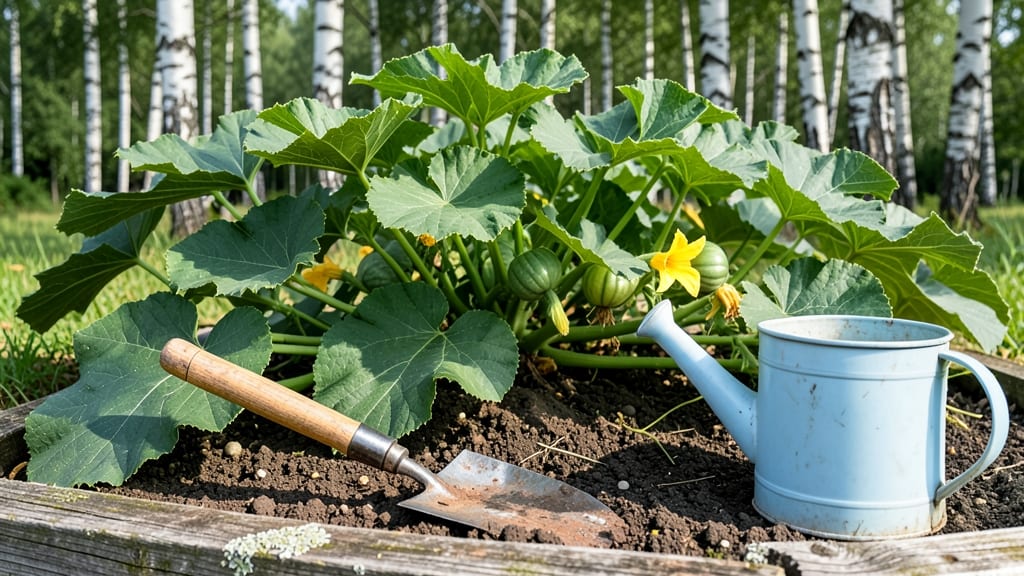
Planting pumpkin seeds in Virginia after your last frost date — typically mid-April — sets you up for a 90-day growing season before fall’s first chill.
Virginia gardeners know timing is everything — plant too early, and frost will kill your vines; too late, and you’ll miss the sweet harvest before fall’s chill sets in.
Mastering the perfect window in USDA Zone 7b (and how microclimates tweak those deadlines) could mean the difference between a bumper crop and a bitter disappointment.
Soil needs to hit at least 70°F before seeds go in, which usually aligns with late April to early May in most of the state. But if you’re in the Shenandoah Valley, you might start a week earlier, while coastal areas like Hampton Roads could wait until early June.
Below, I break down the exact planting windows for fast-maturing varieties, how to adjust for your local microclimate, and the one trick that buys you an extra two weeks of growing time.
Virginia pumpkin planting deadlines by USDA Zone 7b heat units
In USDA Zone 7b Virginia, pumpkins thrive when planted after the average last frost date (April 15), but timing depends on your variety’s days to maturity (90-110 days).
Early varieties like Jack Be Little (85 days) can start in late April, while standard varieties like Howden (100 days) need a May planting. Soil temperatures must reach 60°F+ for germination, but roots prefer 70°F+ for optimal growth.
Virginia’s heat unit accumulation (growing degree days) is critical—most pumpkins need 1,200–1,500 GDDs to mature. Using this data, I’ve mapped out precise planting windows to ensure your pumpkins reach harvest (late September–October) before the first frost.
Microclimates (valleys, urban areas) can shift these dates by 1–2 weeks, so adjust accordingly.
🚨 Key Deadlines: Plant early varieties by May 1, standard varieties by May 15, and late varieties by June 1 for a fall harvest. Late starts risk immature fruit before frost.
Virginia Pumpkin Planting Timeline (USDA Zone 7b)
| Task | Early Varieties (85-90 days) | Standard Varieties (90-110 days) | Late Varieties (110+ days) |
|---|---|---|---|
| Soil Prep | Mid-April (after last frost) | Mid-April (after last frost) | Late April (soil must be 60°F+) |
| Planting Window | April 25–May 10 | May 1–May 15 | May 15–June 1 |
| Soil Temp Requirement | 65–70°F (use black plastic mulch if cooler) | 70–75°F (ideal for germination) | 75°F+ (critical for late starts) |
| Harvest Window | Late August–early September | Late September–October | October (risk of frost) |
| Microclimate Adjustment | Valleys: 1 week earlier | Urban areas: 1 week later (heat delay) | Mountains: 2 weeks later (cooler soils) |
For soil prep timing, start warming beds in late March by removing winter mulch and adding compost or aged manure. Test soil pH (ideal: 6.0–7.0) and amend with lime if needed.
Raised beds warm faster, giving you a 1–2 week head start in cooler microclimates like the Blue Ridge foothills.
If your soil temperature lags (common in northern Virginia), use black plastic mulch or row covers to accelerate warming. Monitor with a soil thermometer—seeds won’t sprout below 60°F, even if air temps are warm.
Pro tip: Plant bush varieties like Waltham Butternut in containers if your yard lacks space or sun.
💡 Heat Unit Hack: Track your local growing degree days (GDDs) using the Virginia Cooperative Extension’s climate tools. Aim for 1,200–1,500 GDDs after planting. For example, Richmond (Zone 7b) typically hits this by late September, while Roanoke (Zone 7a) may need a 2-week extension.
Adjust for succession planting if you want multiple harvests. Sow fast-maturing varieties (85 days) every 2 weeks from late April through May. This ensures a steady supply of small pumpkins for pies and large jack-o’-lanterns by Halloween. Just mark your calendar: stop planting by June 1 to avoid frost risks.
🌱 Container Gardening Note: If you’re growing pumpkins in pots, start seeds indoors 4 weeks before your last frost (early April) and transplant after soil warms. Use 5-gallon containers minimum—smaller pots stunt root growth. Place containers in full sun and water deeply every 2–3 days to prevent stress.
Finally, watch for late frosts. Even in Zone 7b, May frosts can occur—have row covers ready to protect seedlings. If frost threatens after vines emerge, use old bedsheets or frost cloth to shield plants until temps rise. With these deadlines, your pumpkin patch will be thriving by harvest time!
Microclimate hacks: how Virginia’s valleys, mountains & coastal areas shift pumpkin planting
Virginia’s diverse geography—from the Shenandoah Valley’s warm river bottoms to the Blue Ridge foothills’ cooler elevations—creates wildly different pumpkin-growing conditions. While most gardeners follow the mid-April to early June rule, these microclimates can shift your planting window by 2-4 weeks in either direction.
Understanding these shifts helps you avoid frost damage or overripe pumpkins that never fully mature.
In river valleys like the Shenandoah, where temperatures climb faster, you can start pumpkin seeds 2 weeks earlier (late March) if your soil warms to 60°F+. Meanwhile, coastal Hampton Roads areas with delayed spring warming may need to wait until early May for reliable germination.
The Blue Ridge Mountains present another challenge—higher elevations can have 10-14 days later last frost dates, pushing planting deadlines toward late May for some varieties.
🌱 PROS & CONS OF MICROCLIMATE ADJUSTMENTS FOR VIRGINIA PUMPKIN PLANTING
- ✅ PROS: Faster soil warming (60°F by late March)
- ✅ PROS: Extended growing season (10-14 extra days)
- ✅ PROS: Ideal for early varieties (75-85 days)
- ❌ Late frost risk in upper valleys
- ❌ Humidity increases fungal diseases
- ❌ Soil may need extra compost
- ✅ PROS: Lower pest pressure
- ✅ PROS: Cooler nights = sweeter pumpkins
- ✅ PROS: Late May planting works for 90+ day varieties
- ❌ Shorter season (only 140-150 frost-free days)
- ❌ Slower germination in cool soils
- ❌ Limited sun in dense forests
- ✅ PROS: Warmer soils by May
- ✅ PROS: Longer daylight in summer
- ✅ PROS: Container gardening viable
- ❌ Salty soil near coastlines
- ❌ Hurricane risk in late summer
- ❌ Limited space for sprawling vines
🌿
For urban heat islands (like Richmond or Norfolk), city concrete absorbs heat, creating microclimates that can be 5-10°F warmer than rural areas. This means you might safely plant 1-2 weeks earlier in paved neighborhoods.
Test soil temperature with a soil thermometer—pumpkin seeds need 70°F+ for reliable germination. If your urban spot lacks space, container gardening works well with 5-gallon buckets (use black pots to absorb heat faster).
In shaded microclimates (common under tall trees or near buildings), pumpkins may struggle to vine properly. Choose bush varieties like 'Jack Be Little' and supplement with grow lights if sunlight drops below 6 hours daily.
For mountain gardens, prioritize south-facing slopes where vines get maximum sun exposure. If your yard has partial shade, interplant pumpkins with taller sun-loving crops like corn to create a natural trellis effect.
Pro tip: Use row covers in early spring to warm cooler microclimates by 5-7°F, accelerating growth. Remove covers once vines emerge to prevent overheating. For coastal gardeners, flush soil with fresh water after planting to remove excess salt.
In all cases, succession plant every 2 weeks through June to extend your harvest window—this is especially critical in shorter-season microclimates like the mountains.
Remember, microclimates aren’t just about temperature—they affect humidity, wind exposure, and soil drainage too. Monitor your local CoCoRaHS weather station for hyper-local data, and adjust your planting schedule accordingly. With these tweaks, you’ll turn Virginia’s diverse landscapes into pumpkin-growing goldmines instead of missed opportunities.