
Plants
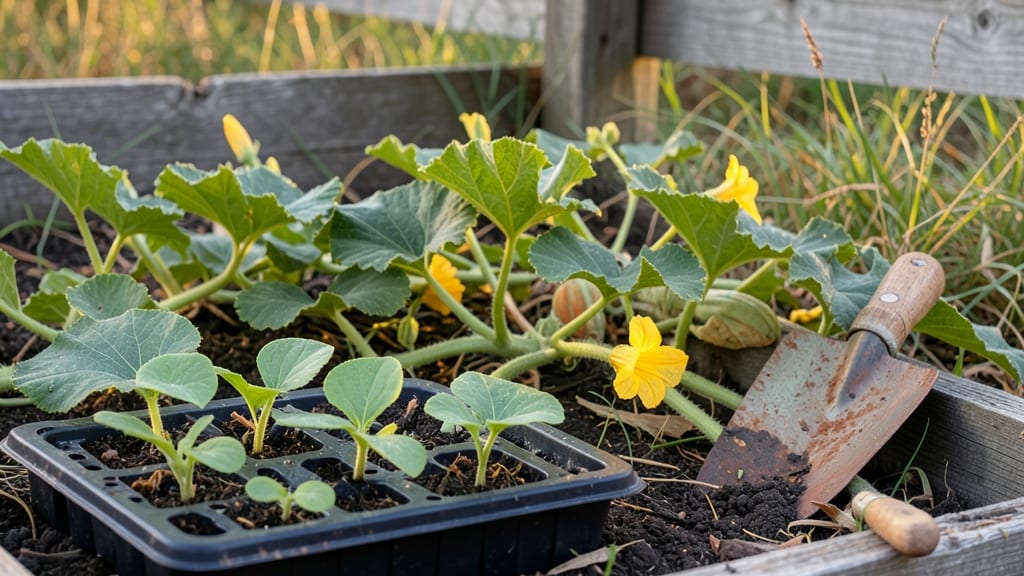
To plant pumpkins in Michigan for Halloween, aim for mid-May to early June after the last frost or late July for a fall harvest—timing is everything for a jack-o’-lantern ready by October 31st.
Picture this: you’ve spent weeks prepping soil, nurturing seedlings, and crossing your fingers for warm weather—only to watch frost nip your pumpkins before Halloween. That’s why Michigan gardeners need to know the exact planting window for their zone, accounting for frost dates and growth timelines.
Whether you’re growing sugar pie pumpkins for baking or carving varieties for decorations, the key is matching your planting to Michigan’s 5b-6b climate. Too early, and you risk frost damage; too late, and your pumpkins won’t mature in time.
I’ll break down the proven deadlines by zone and share tips for adjusting if early or late frost is forecasted.
You’ll also discover the top 5 fast-maturing varieties that thrive in Michigan’s short season, how to prep your soil for maximum growth, and the simple care steps to ensure your pumpkins are ready to carve by Halloween—no guesswork, just proven results.
Michigan pumpkin planting deadlines by USDA hardiness zone (2024 guide)
Timing is everything when it comes to growing Halloween-ready pumpkins in Michigan. The USDA zones 4-6 experience wildly different frost patterns, and missing your window by even a week can mean the difference between a perfect jack-o’-lantern and a sad, underripe gourd.
Let’s break down the exact planting deadlines for each zone to ensure your pumpkins reach maturity by October 31st.
Most pumpkin varieties need 75-100 days to mature, so we’ll focus on planting windows that account for your last frost date and first frost risk. Whether you’re direct sowing seeds or transplanting seedlings, these deadlines will help you avoid frost damage while maximizing your harvest potential.
🎃
For gardeners in Zone 4, where frosts linger longer, focus on fast-maturing varieties like ‘Jack-Be-Little’ (75 days) or ‘Sugar Pie’ (80 days).
These can handle cooler soils and still reach maturity by Halloween. Direct sow seeds after your last frost date—typically late May to early June—and use black plastic mulch to accelerate soil warming.
Zone 5 gardeners have slightly more flexibility. You can direct sow seeds as early as early May if the soil is workable, but be prepared to protect seedlings with frost cloth if late frosts hit.
For extra insurance, start seeds indoors by April 1st and transplant after the last frost. Varieties like ‘Howden’ (85 days) or ‘Cinderella’ (90 days) are reliable choices.
Gardeners in Zone 6 enjoy the longest growing season, giving you room to experiment. You can direct sow seeds as early as late April or even try a late July sowing for smaller pumpkins that mature by Halloween.
Varieties like ‘Autumn Gold’ (85 days) or ‘Small Sugar’ (75 days) thrive here. If you’re ambitious, you can even attempt a second planting in late July for a fall harvest.
🌱
No matter your zone, soil temperature is critical. Pumpkin seeds won’t germinate well in cold soil—aim for at least 60°F. Use a soil thermometer to check before planting. If your soil is too cool, wait a few days or use row covers to warm it up.
Additionally, spacing is key: pumpkin vines spread 10-20 feet, so give each plant plenty of room to sprawl.
Pro tip: If you’re worried about early frost threats, choose compact or bush varieties like ‘Minnesota Freckles’ (80 days) or ‘Waltham Butternut’ (85 days). These mature faster and are less likely to be damaged by late-season chills. Always monitor your local frost forecast and adjust your planting timeline accordingly.
☀️
Critical factors that determine your pumpkin’s Halloween readiness
Your pumpkin’s journey from seed to spooky jack-o’-lantern hinges on three critical factors: variety selection, soil temperature, and local microclimates. Michigan’s USDA zones 5b-6b demand precision—choose the wrong pumpkin type, and you’ll face underripe fruit or frost damage before Halloween.
Even with perfect timing, a cool summer or shady microclimate can delay maturity by weeks.
For example, sugar pie pumpkins (like ‘Sugar Pie’) mature in just 75-85 days, while carving varieties (like ‘Howden’) need 90-100 days. Planting the wrong type in northern Michigan risks harvests that arrive too late.
Meanwhile, soil temperatures below 60°F stunt root growth, while microclimates near lakes or urban heat islands can push vines to maturity faster.
Here’s what you must prioritize to avoid last-minute panic:
- ✅ Variety Maturity: Carving pumpkins need 90+ days; sugar pies 75-85 days. Check seed packets for days to harvest.
- 🌡️ Soil Temp: Wait until soil reaches 60°F+ (use a soil thermometer). Cold soil = slow germination.
- 🌿 Microclimate: South-facing beds or urban heat zones mature pumpkins 10-14 days faster than shaded areas.
- ⏰ Frost Watch: First frost in northern Michigan hits by mid-October. Count back 100 days from Halloween to set planting dates.
- 🚨 Warning Signs: Yellowing leaves before 60 days, stunted vines, or soft rinds signal delayed growth—adjust care immediately.
Let’s say you’re in southern Michigan (zone 6b) and plant ‘Jack Be Little’ (85-day carving pumpkin) on May 15th. With ideal conditions, you’ll harvest by early October.
But if your garden sits in a shady microclimate or soil stays cool, those same pumpkins might not ripen until November. That’s why I always test soil temps and choose fast varieties for high-risk areas.
Don’t overlook warning signs of delayed growth. If your pumpkin vines stop spreading before 45 days or leaves turn yellow with no fruit set, your plants may be nutrient-deficient or struggling with pests.
In these cases, side-dress with compost or fertilize with 10-10-10 to jumpstart recovery. For northern Michigan, consider starting seeds indoors by April 1st to transplant after last frost.
Pro tip: Use a garden journal to track soil temps, variety performance, and local frost dates. Note which microclimates in your yard (e.g., near a stone wall or patio) accelerate growth. Over time, you’ll refine your planting strategy to guarantee Halloween-ready pumpkins—no stress, no last-minute store buys. 🎃