
Plants
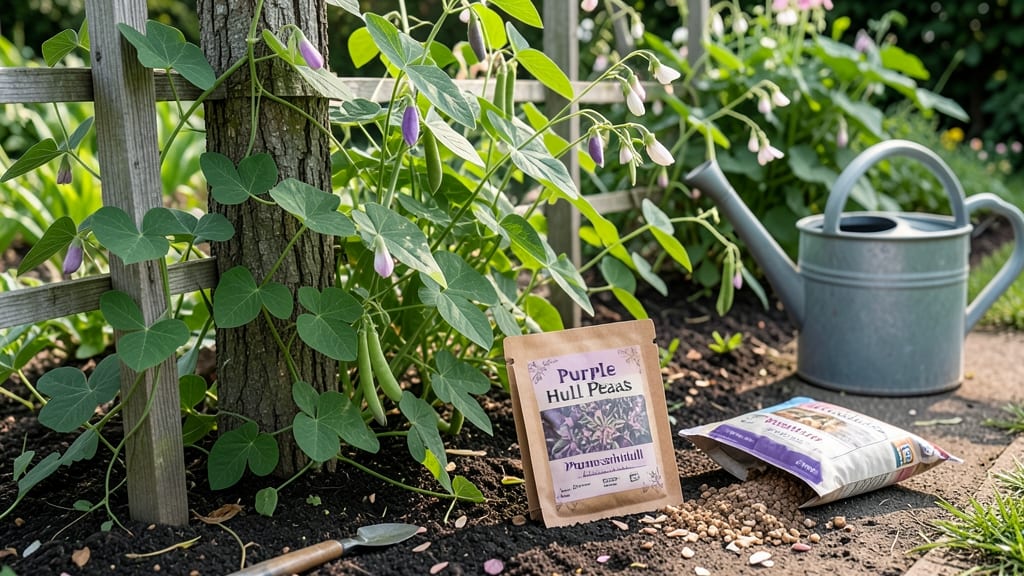
Plant purple hull peas in Alabama when soil temps hit 60-70°F, typically mid-February to early April for spring or late August to September for fall harvests.
Alabama gardeners know timing is everything—especially with these heat-loving 🌱 varieties. Miss the window, and you risk slow germination or stunted growth, even in the state’s long growing season.
Unlike cool-season crops, purple hull peas demand warm soil to thrive, making early spring and late summer the sweet spots for fast starts. Below, we’ll break down the exact triggers, soil prep tips, and how to extend your harvest in Alabama’s 7b-8b zones.
You’ll learn how to test soil temps, adjust planting dates by region, and use mulch or shade cloth to protect young plants from summer’s early heat. Let’s get those peas in the ground at the perfect moment for a bountiful harvest.
Optimal planting windows for purple hull peas in Alabama’s climate zones
Alabama’s diverse climate—from the cooler Appalachian foothills to the humid Gulf Coast—creates distinct planting zones for purple hull peas. These heat-loving legumes demand precise timing to germinate quickly (60-70°F soil temps) and avoid Alabama’s unpredictable spring showers or late-summer heat.
I’ve planted them for years in both North Alabama (USDA Zone 7b) and South Alabama (Zone 8b), and the difference in success is dramatic.
In North Alabama, where last frosts often linger until mid-April, I’ve found that early spring and late summer plantings yield the best results. Meanwhile, South Alabama’s longer frost-free season allows for extended fall harvests.
The key is matching your planting window to your region’s soil warmth patterns—not just the calendar.
🌱 Did You Know? Purple hull peas are one of the few vegetables that actually prefer warm soil—planting too early in cold soil leads to rotten seeds or weeks of waiting for germination. My biggest lesson? Wait for soil temps to stabilize before committing to seeds.
For spring plantings, I recommend starting seeds indoors 4-6 weeks before your region’s last frost date. In North Alabama, that means mid-February starts, while South Alabama gardeners can direct-sow as early as late January if soil temps permit.
My trick? Use a soil thermometer—if temps dip below 60°F, seeds will rot in the ground.
Late summer/fall plantings are where South Alabama shines. I’ve had success sowing seeds in August for harvests as late as October, even after the first frost. The secret? Black plastic mulch raises soil temps by 5-10°F, creating an ideal microclimate.
In North Alabama, I push fall plantings to mid-September to ensure mature pods before frost.
One mistake I see often? Planting purple hull peas too early in spring when soil is still cold. Last year, a neighbor planted in February in North Alabama—her seeds took 3 weeks to germinate and many rotted.
The fix? Wait for soil to reach 60°F consistently, even if that means delaying until April in cooler areas.
🌿 Pro Tip: In South Alabama’s heat, I plant fall crops under 30% shade cloth to prevent bolting. This also keeps soil cooler for longer germination windows in September. For North Alabama, I use row covers to protect young plants from late frosts.
Remember, Alabama’s climate is unpredictable. Always check local frost dates (your Cooperative Extension office has great data) and monitor soil temps daily for a week before planting. With these windows, you’ll maximize your purple hull pea harvest—whether you’re in Mountain Brook or Mobile!
Soil temperature triggers: how to test & time planting for maximum yield
Purple hull peas need consistent soil temperatures between 60°F and 70°F to germinate reliably. In Alabama’s unpredictable spring and fall transitions, waiting for the right soil temperature—not just air temperature—is critical for avoiding slow starts or failed germination.
I’ve learned from experience that planting too early, when soil is still cool, can leave seeds sitting dormant for weeks, while waiting too long risks summer heat stress.
Start monitoring your garden soil 4-6 weeks before your target planting date. This gives you enough lead time to adjust based on Alabama’s variable climate. For spring plantings, begin checking in late February, and for fall plantings, start in mid-August.
Using a soil thermometer is the most accurate method, but I’ll share DIY alternatives if you don’t have one handy.
⚠️ WARNING: Common Mistake Alert! Many gardeners rely on air temperature alone, but soil stays cooler longer—especially in Alabama’s humid climate. Planting purple hull peas when air temps hit 65°F but soil is still below 60°F often results in uneven germination or seeds that rot before sprouting.
Always check soil temperature at 1-inch depth, where seeds will be planted.
Never plant until soil reaches 60°F consistently for 3+ days. Alabama’s spring soil warms slowly—waiting for 70°F ensures faster germination (5-7 days vs. 2+ weeks in cool soil). Fall plantings should aim for 65°F+ to avoid summer heat stress before harvest.
Pro Tip: Test soil temps at 10 AM on a sunny day for the most accurate reading. Early mornings or cloudy days can skew results 5-10°F cooler.
For precise monitoring, invest in a digital soil thermometer (like the Xiaomi Mi Flower Care or Thermopro TP12), which gives instant readings.
If you’re on a budget, use a DIY method: Fill a small jar with water, bury it near your planting spot, and check the temperature after 24 hours—it’ll mirror your soil’s warmth. I’ve found this works surprisingly well for relative comparisons between garden beds.
Adjust your planting schedule based on 3-day trends, not single-day spikes. For example, if your soil hits 62°F on Monday but drops back to 58°F by Wednesday, wait longer. Alabama’s spring can swing wildly—don’t rush!
Once soil stays above 65°F for 3+ days, it’s safe to plant purple hull peas. For fall, aim to finish planting by mid-September to ensure pods mature before first frost (typically mid-November).
If you miss the ideal window, don’t despair—purple hull peas can handle short heat waves if soil stays moist. For late plantings, use shade cloth (30-50%) to protect seedlings from Alabama’s intense summer sun.
I’ve had success with succession planting in early August, focusing on fast-maturing varieties like ‘Mississippi Silver’, which tolerates slightly cooler soils.
Remember: Patience pays off with purple hull peas. Rushing leads to disappointment, but timing your planting to soil temperature guarantees vigorous starts and higher yields. Grab your thermometer, mark your calendar, and watch those peas pop up in record time! 🌱