
Plants
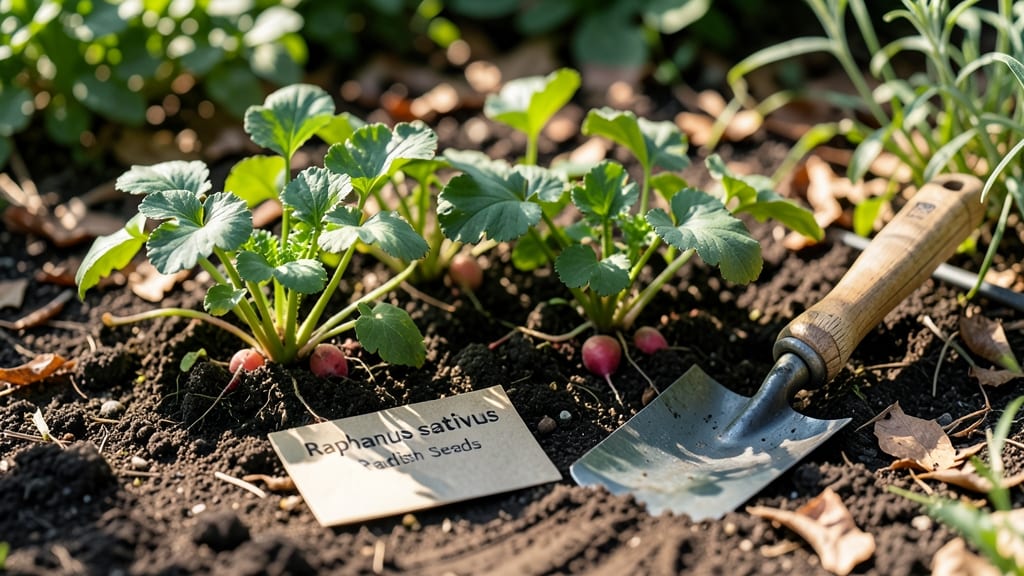
To plant radishes in Arkansas at the perfect time means crisp harvests in 25 days—not bitter, tough roots that bolt before you can enjoy them.
Arkansas gardeners know radishes grow fast—but planting them at the wrong time means bitter harvests or bolted greens. Mastering the perfect timing for spring and fall crops is the secret to crisp, sweet radishes all season long.
Spring is your best bet in Arkansas’ 7a-8b zones, with early February to March plantings avoiding the March 15 average last frost. But fall crops in August-September can stretch your harvest into November, if you time it right.
Below, I’ll break down the exact windows, soil prep tips, and how to adjust for Arkansas’ microclimates—so you get fast, reliable harvests without the guesswork.
Best Arkansas radish planting calendar: spring vs fall timing explained
Timing is everything when growing radishes in Arkansas, where USDA Zones 6-8 bring fast-growing seasons but also unpredictable spring weather. Plant too early, and you risk frost damage or bolting greens.
Plant too late, and your harvest shrinks before summer heat sets in. The key? Nailing the soil temperature and frost-free windows for both spring and fall crops.
Arkansas's average last frost typically falls around March 15 (earlier in southern regions), while the first frost usually hits by November 15. These dates create a 210-day growing window—perfect for radishes that mature in just 25-35 days.
But don’t just follow the calendar: check your soil temperature with a thermometer. Radishes thrive when soil stays above 45°F for spring and 50°F for fall plantings.
Spring radishes should go in the ground 2-3 weeks before your last frost, ideally by mid-February to early March in northern Arkansas or late January to February in southern regions. This gives them time to mature before summer heat arrives. For fall radishes, aim to plant 6-8 weeks before your first frost, typically between mid-August and early September. This timing ensures a harvest before cold snaps arrive.
Here’s how Arkansas gardeners can visualize the ideal planting windows, soil conditions, and harvest timing for both seasons:
| Season | Planting Window | Soil Temp Threshold | Frost Consideration | Harvest Time | Notes |
|---|---|---|---|---|---|
| Spring | Mid-February to Early March | 45°F+ | 2-3 weeks before last frost | April to Early May | Use quick-maturing varieties like 'Cherry Belle' |
| Fall | Mid-August to Early September | 50°F+ | 6-8 weeks before first frost | October to Mid-November | Choose cold-hardy types like 'Winter Blood' |
| Late Summer (Bonus) | Late July to Early August | 55°F+ | For heat-tolerant varieties | September to October | Use 'French Breakfast' for slower growth |
For spring radishes, start seeds indoors or use biodegradable pots to transplant outdoors once soil warms. Look for leafy sprouts emerging in 3-5 days—a sign your timing is perfect. If nights stay chilly (below 40°F), use row covers to protect tender seedlings.
In northern Arkansas, where frosts linger longer, opt for early-maturing varieties like 'Easter Egg' to avoid bolting.
Fall radishes need a slightly different approach. Plant seeds directly in the soil (they dislike transplanting) and keep the bed consistently moist to prevent bitter roots. In southern Arkansas, where summers are hotter, start seeds in late August to avoid the peak heat.
If you’re in the Ozark Mountains, push planting to early September for a longer harvest window before frost.
One trick Arkansas gardeners swear by? Succession planting. Sow small batches every 2 weeks in spring and fall to ensure a continuous harvest. This works especially well with fast varieties like 'Radar' (20 days to maturity).
Just mark your planting dates on a garden calendar or use colored stakes to track progress.
Watch for visual cues to confirm your timing is right. In spring, bright green leaves and firm roots appear within 3 weeks of planting. In fall, roots should stay crisp and sweet even as temperatures drop—if they turn woody or spongy, you’ve waited too long.
For extra insurance, test your soil pH (ideal: 6.0-7.0) and amend with compost before planting.
Remember: Arkansas’s clay-heavy soils can slow germination. Mix in sand or peat moss to improve drainage, and always plant radishes in full sun (6
How to adjust radish planting for Arkansas microclimates (north vs south regions)
Arkansas isn't just one climate—it's two distinct gardening worlds. The Ozark Mountains in northern Arkansas (USDA Zones 6-7) experience cooler springs and earlier frosts, while the Arkansas River Valley in the south (Zones 7b-8a) stays warmer longer.
These differences mean your radish planting strategy should change based on where you live in the state.
For northern Arkansas gardeners, spring planting begins 3-4 weeks earlier than in the south, while southern gardeners can push fall plantings 2-3 weeks later. The key is understanding your local last frost dates—March 15 for the north vs March 1 for the south—and adjusting your schedule accordingly.
- 1. Northern Arkansas (Ozarks): Plant spring radishes February 15-March 1 for harvests before summer heat. Use cold-hardy varieties like 'Cherry Belle' or 'White Icicle'.
- 2. Southern Arkansas (River Valley): Extend spring planting to March 15-April 1 thanks to warmer soils. Try heat-tolerant varieties like 'French Breakfast' or 'Black Spanish'.
- 3. Succession planting north: Sow every 2 weeks from March through May to avoid bolting. Stop by June 15 when temps exceed 80°F.
- 4. Succession planting south: Stagger plantings every 3 weeks from February through April. Fall plantings can continue until September 15.
- 5. Microclimate tips: Northern gardeners use row covers for early spring. Southern gardeners prioritize shade cloth during summer to prevent bolting.
- 6. Variety selection: Northern Arkansas: 'Easter Egg' (colorful, cold-tolerant). Southern Arkansas: 'Daikon' (heat-tolerant, larger roots).
Succession planting works differently in each region too. In cooler northern areas, you can make 3-4 planting cycles per year, while southern gardens often succeed with 2-3 cycles thanks to longer growing seasons.
The Ozarks' shorter summers mean you'll need to focus on spring and fall crops exclusively, while southern gardeners can experiment with winter radishes under row covers.
Don't overlook the soil temperature factor—northern Arkansas soils may not reach 50°F until mid-March, while southern soils hit that mark by late February. Use a soil thermometer to confirm readiness. For both regions, aim to plant when soil temps are consistently above 40°F for reliable germination.
Heat tolerance becomes critical in southern Arkansas during summer. If you attempt summer plantings, choose varieties labeled "heat-tolerant" and provide afternoon shade. Northern gardeners should avoid summer plantings entirely—they'll bolt or develop hot, pithy roots in the Ozarks' humidity.
Remember: Arkansas' first frost dates vary by 30 days between regions. Northern areas face frost by November 1, while southern gardens often stay frost-free until November 30. Plan your final fall planting accordingly to ensure harvests before cold snaps arrive.