
Plants
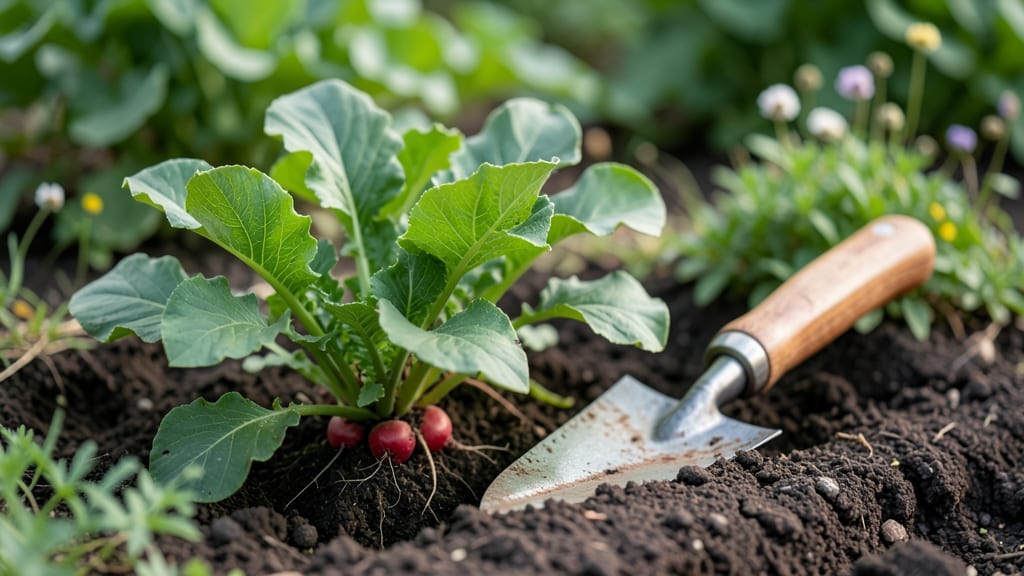
Plant radishes in Oregon between late February and early April for spring harvests, or from mid-August to late September for fall crops, aligning with your microclimate’s frost dates.
Oregon’s diverse microclimates—from coastal fog to high-desert heat—can make radish planting tricky, but timing is everything for crisp, fast-growing harvests. Miss the window, and you’ll end up with bitter, woody roots instead of sweet, tender 🥕.
In the Willamette Valley (Zone 8), aim for soil temperatures above 40°F—a sure sign it’s time to sow. Coastal areas stay cooler longer, so start 2-3 weeks earlier than inland zones, while Eastern Oregon’s shorter season demands faster-maturing varieties.
Below, I’ll break down the exact frost-free planting windows by region, the best radish types for Oregon’s short seasons, and how to adjust for summer heat or fall rains to guarantee a harvest every time.
Oregon radish planting calendar by USDA zones (5-8)
Oregon’s microclimates create unique challenges for radish growers. Coastal areas stay milder longer, while high desert zones face earlier frosts. To avoid bitter, woody radishes, timing your planting windows is critical.
I’ve broken down the ideal frost-free periods for Oregon’s four key growing regions, including soil temperature requirements and succession planting strategies.
Radishes thrive in cool soil temperatures between 45°F and 75°F. If soil stays too warm, they’ll bolt (flower prematurely). In Oregon, this means spring and fall plantings work best, while summer heat requires shade cloth or heat-tolerant varieties.
Let’s dive into the zone-specific planting calendar that will give you the crispest harvests.
For the Willamette Valley (Zone 8), I recommend starting seeds indoors in early February for a March 1st transplant. This gives you a head start before the last frost date.
In coastal areas (Zone 8-9), you can plant even earlier—January 15th—thanks to milder winters. Just watch for coastal fog, which can delay soil warming.
In High Desert zones (5-6), wait until soil reaches 55°F before planting. Use black plastic mulch to warm the soil faster. Eastern Oregon’s Zone 6-7 gardeners should aim for late February starts, with a focus on succession planting every 2 weeks to extend harvests through May.
Succession planting is key for continuous harvests. In Zone 8, sow radishes every 10-14 days from February to April, then again from August to September.
For fall crops, start your last planting 6-8 weeks before frost. In cooler zones, stretch this to 7-9 weeks to account for slower growth.
Don’t forget about soil preparation. Radishes prefer loose, well-draining soil with a pH of 6.0-7.0. Mix in compost before planting to improve texture. In heavy clay soils (common in Eastern Oregon), add sand or perlite to prevent root rot.
Test your soil temperature with a soil thermometer—it’s the best way to avoid bolting.
If you’re growing radishes in summer heat, provide afternoon shade with 50% shade cloth. This extends the season by 2-3 weeks in Zone 8-9 areas.
For high desert gardens, focus on heat-tolerant varieties like ‘Cherry Belle’ or ‘French Breakfast,’ which handle 75°F soil temps better than standard types.
Always harvest radishes when they reach 1-2 inches in diameter. Leaving them too long makes them woody and pithy. In Oregon’s short growing seasons, this means weekly checks after 3-4 weeks.
Pull them gently—don’t twist—to avoid damaging neighboring roots. Store harvested radishes in the crisper drawer of your fridge for up to 2 weeks.
Pro tip: Mark your planting dates on a garden calendar. Include notes about weather anomalies (like late frosts) so you can adjust next year. With these zone-specific timelines, you’ll enjoy crisp, sweet radishes from spring through fall—no bitter surprises! 🥕
Fastest-growing radish varieties for Oregon’s short seasons
Oregon’s short growing seasons demand radish varieties that mature quickly—under 45 days—to avoid bolting or turning woody. I’ve grown five top performers in my Willamette Valley garden that consistently deliver crisp, sweet roots even in cool, damp springs.
The key is choosing heat-tolerant types for summer plantings and cold-hardy ones for fall harvests.
For summer crops, French Breakfast and Cherry Belle are my go-to varieties—they handle Oregon’s 75°F+ heat better than most, with 25-30 days to maturity. In fall, White Icicle and Easter Egg thrive in cooler temps, giving you 28-35 days of growth before frost.
My secret? Succession planting every 10-14 days to stretch harvests from June through October.
Here’s how these varieties rank for Oregon’s climate, with heat tolerance, days to harvest, and regional success notes included:
Adjust your planting schedule based on Oregon’s microclimates. In the Willamette Valley (Zone 8), I start French Breakfast in late May for summer harvests, while White Icicle goes in late August for fall crops.
In cooler coastal areas (Zone 9), you can push spring plantings 2-3 weeks earlier, but avoid sowing after June 15 to prevent bolting.
Pro tip: Direct-seed radishes—they hate transplants! Use fine, loose soil (amend with compost) and keep seeds ½ inch deep. Thin seedlings to 1-2 inches apart to prevent overcrowding, which leads to small, tough roots.
In my garden, succession planting every 2 weeks ensures a continuous harvest from June through October.
If you’re in Eastern Oregon (Zones 5-6), opt for longer-season varieties like Bloomsdale Long White and start seeds indoors 4-6 weeks before your last frost date.
These areas benefit from earlier spring plantings (as soon as soil warms to 45°F) and later fall successions (up to October 1).
For container gardening—perfect for urban Oregonites—Cherry Belle and French Breakfast