
Plants
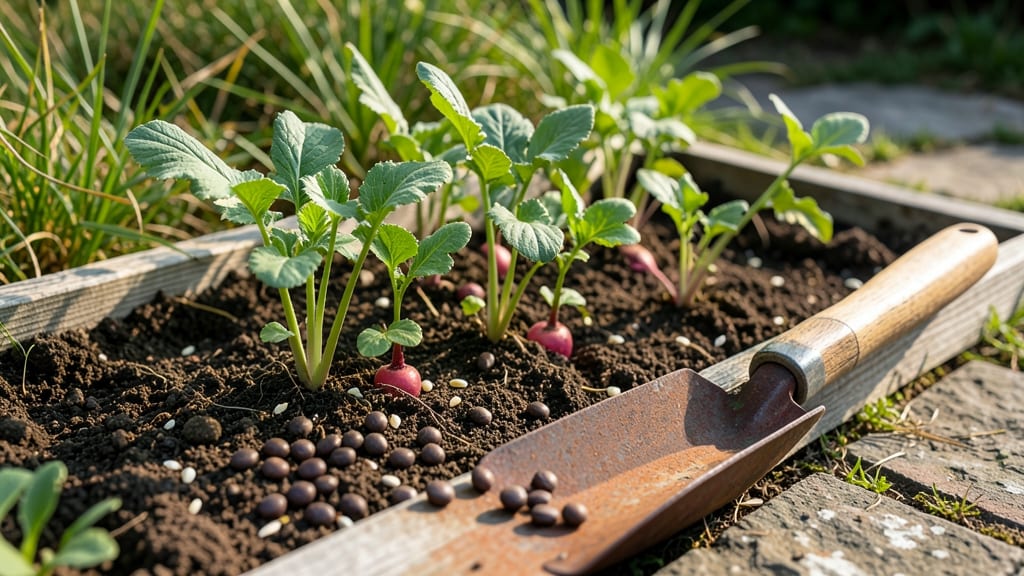
To plant radishes in Tennessee, aim for early spring or late summer—when soil temperatures hover between 50°F and 70°F for the fastest, crispest harvests.
Tennessee’s mild winters and warm summers create the perfect conditions for growing fast, crisp radishes—but timing is everything. Plant too early, and frost ruins your harvest; too late, and heat turns them bitter. Here’s your expert guide to mastering radish planting seasons in the Volunteer State.
Spring is your best bet, with ideal dates falling between mid-March and early April in most of the state. This window ensures radishes mature before summer heat sets in, delivering those sweet, peppery roots you crave.
For fall, late summer plantings in August give you a second harvest before frost arrives.
Below, I’ll break down the exact dates by region, how to prep your soil for success, and the 3 key mistakes Tennessee gardeners make when planting radishes—so you can avoid them and enjoy a bumper crop.
Best spring planting dates for radishes in Tennessee (avoid bolting & frost risks)
Tennessee’s three distinct regions—East, Middle, and West—each have unique last frost dates that dictate when to plant radishes for success. In East Tennessee (USDA Zone 6a), where winters linger longer, you’ll need to wait until mid-to-late March for soil temperatures to warm enough.
Meanwhile, West Tennessee (Zone 7b) gardeners can start as early as late February, thanks to milder winters. Getting this timing right prevents frost damage while avoiding heat-induced bolting later in spring.
Radishes thrive when soil temperatures reach 45°F (7°C)—a critical threshold for germination. Use a soil thermometer to confirm readiness, especially in Middle Tennessee (Zone 7a), where March temperatures can fluctuate wildly.
Planting too early in cold soil leads to slow germination or rotting seeds, while waiting too long risks bolting (premature flowering) when summer heat arrives.
To calculate your last frost date, check the Tennessee State Climate Office or use a frost calendar for your county. For example, Nashville (Middle TN) typically sees its last frost around March 15, while Chattanooga (East TN) waits until April 1.
Plant radishes 3–4 weeks before this date to ensure a spring harvest before bolting begins.
For late spring plantings (May–June), choose heat-tolerant varieties like 'French Breakfast' or 'Cherry Belle' to avoid bitter, woody radishes. These varieties mature in 25–30 days, giving them time to grow before summer’s peak heat.
Always provide afternoon shade with a row cover or shade cloth to protect young plants from intense Tennessee sun.
Test your soil’s readiness by pressing your finger 1 inch deep—if it’s cold to the touch, wait a few more days. In clay-heavy soils common in East Tennessee, amend with compost to improve drainage and prevent root rot.
A well-draining bed ensures radishes grow quickly before bolting sets in.
Sow seeds ½ inch deep and 1 inch apart in rows spaced 12 inches apart. Thin seedlings to 2 inches apart once they sprout to reduce competition. In West Tennessee’s hotter springs, consider succession planting every 2 weeks for a continuous harvest.
This method extends your growing season and prevents overcrowding, which stresses plants.
Watch for signs of bolting, like tall, thin stems and yellowing leaves, which indicate it’s time to harvest immediately. If planted too late, radishes may flower prematurely, ruining their crisp texture. For fall harvests, save these late-spring varieties for August–September plantings instead.
Mulch with straw or grass clippings to retain soil moisture and regulate temperature. This is especially helpful in Middle Tennessee’s unpredictable spring weather, where sudden temperature swings can stress young plants. Consistent moisture prevents pithy, hollow radishes, ensuring a crisp, sweet harvest.
Plan for a second planting in early May if you missed the spring window. Choose fast-maturing varieties like 'Early Scarlet Globe' (22 days) to harvest before summer heat peaks. With these strategies, you’ll enjoy homegrown radishes from April through October in Tennessee’s diverse climate.
Fall radish planting schedule for Tennessee’s cooler months (extend harvest until Thanksgiving)
Fall is my favorite time to grow radishes in Tennessee because the cooler temperatures prevent those bitter, woody flavors that plague summer plantings. With the right variety selection and timing, you can enjoy fresh radishes straight from your garden until Thanksgiving.
The key is starting seeds 6-8 weeks before your average first frost date, which typically falls between mid-October and late October across Tennessee’s USDA zones 6a-7b.
For Tennessee gardens, I recommend two planting strategies: quick-maturing varieties for early fall harvests and winter-hardy types that tolerate light frosts.
Quick varieties like Cherry Belle or French Breakfast mature in just 25-30 days, while winter-hardy Daikon or Winter Blood Turnip varieties can handle light freezes and extend your harvest window. The trade-off? Winter types often have larger, milder roots but take 45-50 days to mature.
Before planting, prepare your soil by adding 2-3 inches of compost to improve drainage and fertility. Tennessee’s clay-heavy soils can become compacted in cooler months, so I always loosen the top 6 inches with a broadfork.
For fall plantings, aim for a soil temperature between 50-60°F—cooler than spring’s ideal 60-70°F. You can test this with a soil thermometer or simply press your hand into the soil; if it feels warm but not hot, it’s ready.
To protect young seedlings from Tennessee’s unpredictable early frosts (which can hit as early as mid-October in higher elevations), use row covers or cold frames. For a quick fix, I’ve had great success with remay fabric draped over hoops—it lets light through while blocking 28°F temperatures.
If you’re growing winter-hardy varieties like Daikon, add a 4-inch layer of straw mulch after the first frost to insulate roots. This simple step can extend your harvest 4-6 weeks longer than unprotected plantings.
My top tip for fall radishes? Sow in succession every 2 weeks starting in early August. This staggered approach ensures a continuous harvest from September through November. For example, plant Cherry Belle in early August for a September harvest, then follow with Winter Blood in mid-August for October-November roots.
By Thanksgiving, you’ll have fresh radishes while your neighbors are buying store-bought!
Don’t forget to thin seedlings to 1 inch apart once they sprout—crowded radishes become small and misshapen. With proper timing and care, fall radishes in Tennessee can outperform spring plantings by 30-40% in yield while avoiding the bitterness that plagues summer heat. Happy planting! 🌱