
Plants
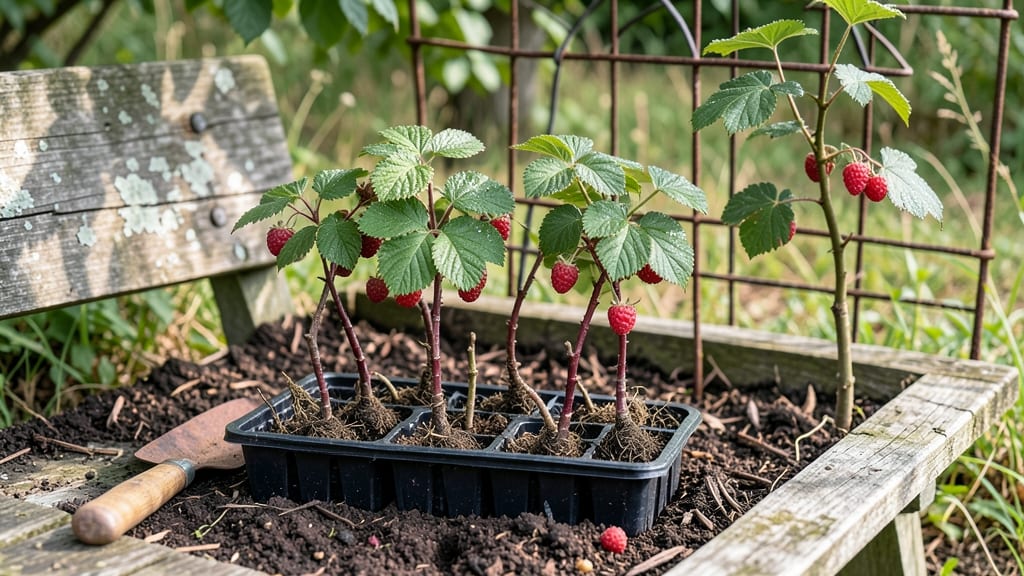
Planting raspberries in Massachusetts means timing it right between late winter and early fall, when the soil is workable but the threat of frost has passed—or hasn’t yet arrived.
Massachusetts gardeners know timing is everything—plant raspberries too early, and a late frost can wipe out your crop. Too late, and you might miss the optimal growing window. Get it right, and you’ll enjoy bountiful harvests for years.
In zones 5b-6b, the best windows are early spring (April) or early fall (September-October), when soil temperatures hover around 50°F and the risk of hard freezes is low.
But microclimates matter: coastal areas warm faster than inland spots, and urban heat islands can shift your schedule by weeks.
Below, I’ll break down the exact frost-free dates by region, soil prep secrets, and how to choose between spring and fall planting for maximum yield—plus the one mistake even experienced gardeners make with raspberry spacing.
Best planting zones in Massachusetts for raspberries: USDA & microclimate guide
Massachusetts spans USDA Hardiness Zones 5b through 7a, creating diverse conditions for raspberry cultivation. In Zone 5b (western MA), raspberries thrive with proper winter protection, while Zone 7a (coastal areas) offers milder winters ideal for everbearing varieties.
Understanding these zones helps you select the right raspberry type and timing for your location.
Your microclimate plays a crucial role—urban areas like Boston often experience heat islands with earlier spring warming, while rural western MA faces harsher winters. Coastal regions enjoy moderate temperatures year-round, while inland valleys can have colder nighttime lows.
These variations affect when you should plant and which varieties will succeed.
Raspberries need 165 frost-free days to mature, making timing critical. In Zone 5b, aim for late May planting after the last frost date (typically mid-April), while Zone 7a gardeners can plant as early as early April. Fall planting is also viable in September-October for root establishment before winter.
| Zone | Best Planting Window | Frost Risk | Soil Prep | Variety Recommendation |
|---|---|---|---|---|
| 5b (Western MA) | Late May - Early June | High late frost risk | pH 5.5-6.5, well-draining | Boyne, Nova |
| 6a (Central MA) | Early May - Mid-May | Moderate frost risk | Add compost, mulch heavily | Heritage, Dormanred |
| 7a (Coastal MA) | Early April - Early May | Low frost risk | Sandy loam, wind protection | Autumn Bliss, Caroline |
| Urban Microclimate | Late May - June | Heat stress risk | Container-friendly soil mix | Tayberry, Fallgold |
Soil conditions vary dramatically across Massachusetts. Western MA often has acidic, rocky soil requiring amendments, while coastal areas feature sandy loam needing organic matter. Test your soil's pH (5.5-6.5 ideal) and drainage before planting—raspberries hate soggy roots.
Amend with compost or peat moss if needed, and consider raised beds in heavy clay areas.
Urban gardeners face unique challenges like limited space and heat reflection from buildings. Plant in containers with trellises and use lightweight potting mix to prevent root rot. Coastal gardeners should choose salt-tolerant varieties like Caroline and protect plants from salty winds with windbreaks.
Microclimates also affect mulching strategies. In Zone 5b, use 6-8 inches of straw mulch to insulate roots from winter cold. Coastal areas benefit from pine needle mulch to retain moisture in sandy soils. Always keep mulch 2-3 inches away from canes to prevent rot.
Consider wind exposure—raspberries need protection from strong coastal winds that can damage canes. Install trellises or fences and plant near natural windbreaks like hedges or evergreens. Inland areas may need additional winter protection like burlap wraps for young plants.
For fall planting, aim for 6-8 weeks before first frost (typically September-October). Bare-root plants establish roots before winter, giving you a head start in spring. Water deeply after planting and mulch heavily to protect roots from freezing-thaw cycles.
Remember that microclimates within your yard matter too. Avoid low-lying areas that collect cold air, and choose south-facing slopes for earlier warming. With the right zone knowledge and microclimate adjustments, you'll maximize your raspberry harvest potential in Massachusetts.
Frost-proof planting calendar: exact weeks for spring & fall in MA
Massachusetts’ variable frost dates make raspberry planting a precision game. Coastal areas like Cape Cod often see last frosts by April 15, while inland zones like Worcester can linger until May 1.
The key is planting when soil hits 50°F—warm enough for roots to establish but cool enough to avoid heat stress.
Fall planting offers a head start—raspberries establish roots before winter, giving you an earlier harvest. But timing is critical: aim for late September to early October when daytime highs stay above 60°F. Bare-root plants need 6-8 weeks to root before hard frost hits.
- 🌱 Weeks 14-16 (April 1-15): Plant bare-root raspberries in coastal zones (e.g., Boston, Cape Cod) when soil warms to 50°F. Use black plastic mulch to speed warming.
- 🌿 Weeks 17-19 (April 16-May 1): Inland areas (e.g., Worcester, Springfield) can plant container-grown raspberries—hardier and frost-resistant. Avoid bare-root until May 10.
- 🍂 Weeks 36-38 (September 15-October 1): Fall planting window opens. Bare-root raspberries need 6+ weeks to root before first frost (mid-October). Test soil—it should stay above 45°F.
- 📉 Weeks 39-40 (October 2-15): Last call for fall planting. Use row covers if temps dip below 40°F. Avoid planting after October 15—roots won’t establish in time.
For container-grown raspberries, you’ve got flexibility. These plants can handle cooler soils and are less frost-sensitive, so you can extend your window by 2-3 weeks earlier in spring or later in fall. Just ensure containers have drainage holes and use lightweight potting mix.
Soil temperature is your true north. Use a soil thermometer—plant only when readings hit 50°F at 4" depth. Cold soil slows root growth, leaving plants vulnerable to winter dieback. In Zone 5b, this usually means waiting until late April.
Fall planting rewards patience. By September 20, check your local frost forecast—aim to plant 6 weeks before the first hard freeze. Add 4-6 inches of mulch (straw or wood chips) to insulate roots. Fall-bearing varieties (like Heritage) thrive with this method.
Remember: Raspberries hate soggy soil. In spring, plant on mounds or raised beds to improve drainage. In fall, avoid waterlogged spots—poor drainage leads to root rot before winter sets in.
Test your soil’s drainage rate by digging a hole and filling it with water—if it doesn’t drain in 4 hours, amend with sand or compost.