
Plants
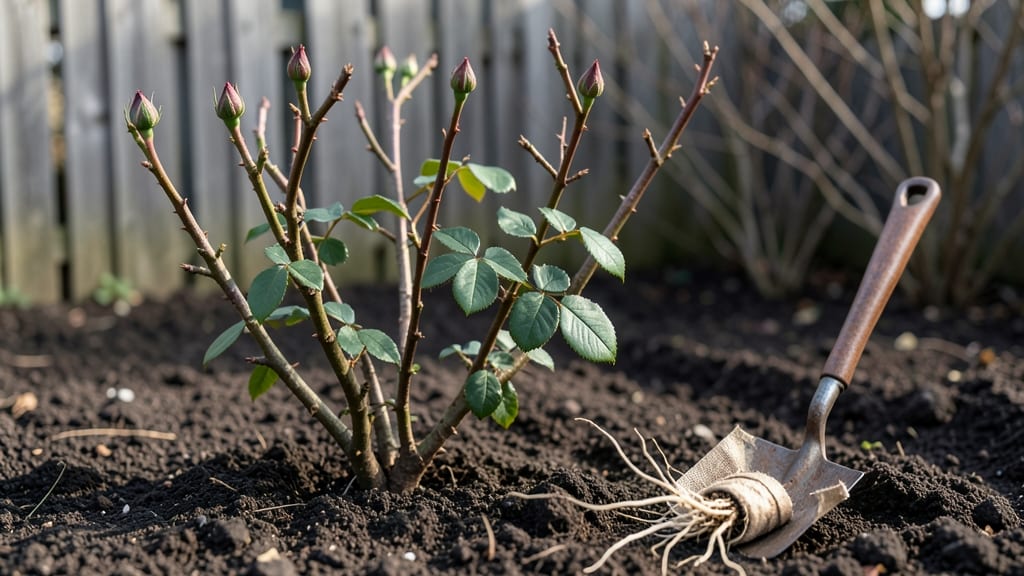
To plant roses in Arkansas, aim for late winter to early spring or fall—timing this right ensures your 🌹 thrives in zones 7a-8b without frost damage.
Arkansas gardeners know timing is everything when planting roses—get it wrong, and your blooms may struggle to thrive despite the state's rich soil and climate.
Spring planting works best after the last frost (usually late February to early March), while fall is ideal 4-6 weeks before the first frost hits (mid-November).
Below, I’ll break down the exact deadlines by zone, soil prep tips, and how to handle Arkansas’ humidity for vibrant, long-lasting blooms.
Arkansas rose planting deadlines by zone (7a vs 8a vs 8b)
Arkansas' diverse climate means your rose planting deadline depends entirely on your USDA zone. Zone 7a (Northern Arkansas) has earlier frosts than zone 8a/8b (Southern Arkansas), so timing your plantings correctly ensures your roses establish strong roots before winter or summer heat arrives.
First, check your exact zone using the USDA Plant Hardiness Zone Map—enter your ZIP code at planthardiness.ars.usda.gov. Most of Northern Arkansas falls into zone 7a, while Central and Southern regions are typically zone 8a or 8b.
For spring planting, aim to get your roses in the ground 4-6 weeks before your last frost date. In zone 7a, this means mid-March to early April, while zone 8a/8b gardeners can start as early as late February.
Fall planting is often more successful in Arkansas because cooler temps reduce transplant shock. In zone 7a, plant between mid-October and November 15—this gives roots time to establish before winter. Zone 8a/8b gardeners have until November 1 (8a) or even November 30 (8b) for fall plantings.
If you're planting bare-root roses, they need 6-8 weeks to establish roots before winter. Container-grown roses are more flexible—they can go in the ground year-round in zone 8b, but still follow soil temperature guidelines to avoid stress.
Watch for unpredictable Arkansas weather. Even in zone 8b, a late frost can occur in February, so always have a frost cloth ready for young plants. Conversely, zone 7a gardeners should avoid planting too early—soil may still be too cold for root growth.
For county-specific guidance, check local extension offices. For example, Benton County (zone 7a) has later frost dates than Sevier County (zone 8a). Always err on the side of planting slightly later if you're unsure—better to wait a week than risk frost damage.
After planting, mulch heavily (3-4 inches) to insulate roots and retain moisture. In zone 7a, use straw or pine straw; in zone 8b, wood chips work well. This simple step can mean the difference between winter survival and plant loss.
Remember, roses in Arkansas thrive with full sun (6+ hours daily) and well-draining soil. If your soil is clay-heavy (common in Arkansas), amend with compost or sand before planting to improve drainage.
🌹 Now that you know your zone's deadlines, mark your calendar and get those roses in the ground at the perfect time for blooms all season!
Signs your Arkansas soil is ready for rose planting (beyond the calendar)
While calendar dates give a general idea, Arkansas' unpredictable spring rains and microclimates mean you should wait for real-world signs. Your roses won't thrive if planted too early in cold, wet soil—even in Zone 8b. Instead of guessing, check these practical indicators that your soil is truly ready.
First, use a soil thermometer to confirm temperatures. Roses need soil that's consistently 60°F or warmer at a 4-inch depth. In Arkansas, this typically happens in late March to early April for spring planting, but it can vary by 1-2 weeks depending on your specific location.
Next, observe natural plant cues like daffodils or tulips. When these early bloomers finish flowering, it's a strong signal that roses can go in the ground.
Another trick: press your finger into the soil—if it feels cool but not freezing, and moisture drains within 6-8 hours, your soil is ideal.
🌱 Arkansas Rose Planting Readiness Checklist
60°F+
4" depth
✅
Drains in 6-8 hrs
🌼
Daffodils bloomed
⏳
Wait 1-2 weeks
"Don't rush—Arkansas' spring rains can delay planting by weeks!"
Arkansas' spring rains often complicate planting schedules. If you've had recent heavy rainfall, wait 1-2 weeks before planting to let the soil dry slightly. Test by digging a small hole—if water pools instead of draining, your roses will suffer from root rot.
Amend clay-heavy Arkansas soil with compost or sand to improve drainage before planting.
For fall planting, aim for October to early November when soil temperatures drop below 70°F. Look for maple leaves changing color—a natural signal that roses can establish roots before winter.
In colder Zone 7a areas, plant 6-8 weeks before first frost (typically by October 15) to allow root growth.
Finally, pay attention to humidity levels. Arkansas' muggy spring air can stress newly planted roses. If humidity is high, water deeply but less frequently to encourage strong root systems.
Mulch with 2-3 inches of organic material to retain moisture and regulate soil temperature—this is especially critical in Zone 8b's hotter microclimates.