
Plants
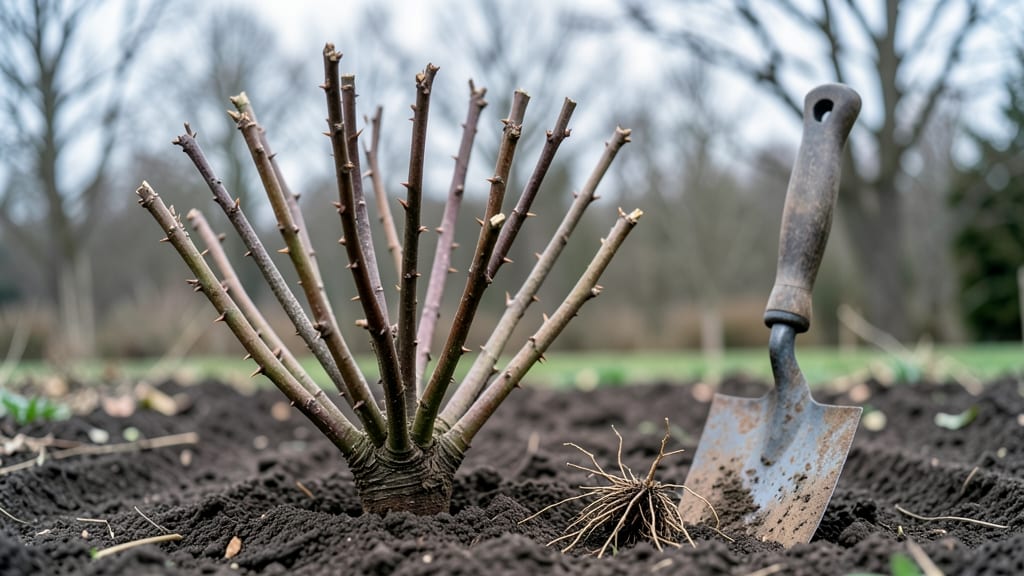
Planting roses in Seattle at the right time means the difference between vibrant blooms and struggling shrubs—so timing matters more than you might think.
Seattle’s unpredictable coastal climate can make or break your roses—planting at the wrong time means stunted growth or winter damage. But timing it just right unlocks vibrant blooms year after year.
With USDA Zone 8a and mild winters, your best windows are late winter to early spring (February–April) or early fall (September–October). Bare-root roses thrive in cooler soil, while container-grown varieties need warmer temperatures to establish roots.
Below, I’ll break down the exact months to plant based on your Seattle microclimate, plus soil prep tips to keep your 🌹 thriving through the rainy season.
Seattle’s ideal rose planting windows: microclimate breakdown by zone
Seattle’s maritime climate and USDA zones 7b-8a create unique challenges for rose growers. The Puget Sound moderates temperatures, while urban heat islands raise microclimate temperatures by 5-10°F. These factors shift ideal planting windows from the standard national guidelines.
For bare-root roses, the best window is late winter through early spring (February-April), when soil temperatures rise above 45°F. This timing lets roots establish before summer heat arrives. Container-grown roses, however, thrive when planted in early fall (September-October) or spring after last frost.
Here’s how Seattle’s three distinct microclimates affect your planting schedule:
| Microclimate Type | Best Planting Window | Key Considerations | Adjustments Needed |
|---|---|---|---|
| Coastal Areas (West Seattle, Bainbridge) | Late March - Early May | Cooler soils, higher humidity, later frost risk | Wait until soil warms to 50°F+ |
| Urban Heat Islands (Downtown, South Lake Union) | February - Early April | Warmer microclimate, drier soils | Plant earlier, water more frequently |
| Eastside (Bellevue, Kirkland) | March - Mid-April | Drier, faster warming soils | Mulch heavily to retain moisture |
| All Zones (Container Roses) | September - October | Establishes roots before winter rains | Use well-draining pots, protect from wind |
In coastal areas, wait until late March when soil temperatures consistently stay above 50°F. The higher humidity here increases fungal risks, so avoid planting during winter rains (November-February).
For urban heat islands, you can plant as early as February, but be prepared to water 2-3x weekly during dry spells.
The Eastside’s drier climate allows for earlier planting (March), but the lack of winter chill means hybrid teas may need winter protection. Always test soil temperature with a soil thermometer—it’s the most reliable indicator for Seattle’s variable conditions.
For bare-root roses, soak roots in lukewarm water for 4-6 hours before planting. This helps compensate for Seattle’s acidic, compacted soils. Mix in compost and sand to improve drainage, then water deeply to settle the soil around roots.
If you miss the spring window, fall planting (September-October) works well for container-grown roses. The cooler nights reduce transplant shock, and roots establish before winter dormancy. Just avoid planting after October 15th—new growth won’t harden off before frost.
Pro tip: Use mulch 3-4 inches deep after planting to regulate soil temperature and retain moisture. In Seattle’s wet winters, this prevents root suffocation while keeping roots warm during cold snaps.
Remember, Seattle’s last average frost is March 15th, but microburst frosts can occur until April. Monitor local forecasts and protect new plantings with frost cloth if needed.
With these microclimate-specific adjustments, your roses will thrive despite Seattle’s unpredictable weather. Happy planting! 🌹
How to adjust planting time for Seattle’s rainy season risks
Seattle’s acid-rich, waterlogged soils and consistent rainfall create unique challenges for rose planting. The wrong timing can lead to root rot, fungal diseases, or even winter heaving—where roots lift out of the soil during freeze-thaw cycles.
To thrive, roses need careful adjustments in both planting windows and soil preparation tailored to Seattle’s USDA Zone 8a climate.
One of the biggest mistakes I see is planting bare-root roses too early in late winter (January-February) when soils remain cold and saturated. While this is the traditional recommendation for many regions, Seattle’s maritime climate keeps soils damp longer, delaying root establishment.
Instead, aim for mid-to-late March when soil temperatures consistently reach 50°F (10°C)—a critical threshold for root growth.
For container-grown roses, early fall planting (September) is ideal because it allows roots to establish before winter rains begin. However, avoid planting after mid-October, as new growth won’t harden off before Seattle’s first frosts in November.
This timing window minimizes fungal pressure from prolonged wet conditions and reduces the risk of winter heaving.
⚠️- Planting in soggy soil: Wait until soil is well-drained (stick test: if a shovelful holds water for >2 hours, wait).
- Ignoring soil pH: Seattle’s native soils are acidic (pH 5.0-6.0). Roses thrive at 6.0-6.5—amend with lime 2-3 months before planting.
- Skipping mulch: Apply 4-6 inches of wood chips to insulate roots and prevent temperature fluctuations.
- Overwatering new plants: Deep watering 2x/week is enough—Seattle’s rain provides excess moisture.
Before planting, prioritize soil drainage by amending native clay with organic matter. Mix in composted bark or leaf mold to improve aeration, and consider raised beds in areas with poor drainage.
For container-grown roses, ensure pots have drainage holes and use a well-draining potting mix (avoid peat-heavy blends that stay soggy).
Mulching is non-negotiable in Seattle’s climate. Use wood chips or straw to create a 2-3 inch barrier around plants (keep mulch 3 inches away from stems to prevent rot).
This layer regulates soil temperature, reduces fungal spores from splashing rain, and locks in moisture during dry spells. Replenish mulch annually in early spring as it breaks down.
After planting, monitor for signs of stress like yellowing leaves or blackened canes—common in Seattle’s damp conditions. If you notice powdery mildew (white fungal coating), prune affected areas immediately and apply a copper fungicide preventatively.
In winter, add an extra 2 inches of mulch to protect roots from freeze-thaw cycles that cause heaving.
With these adjustments, your roses will establish strong roots before Seattle’s rainy season peaks, setting the stage for vibrant blooms and long-term resilience. The key is balancing timing, drainage, and fungal prevention—Seattle’s climate rewards the gardener who plans ahead! 🌹🌧️