
Plants
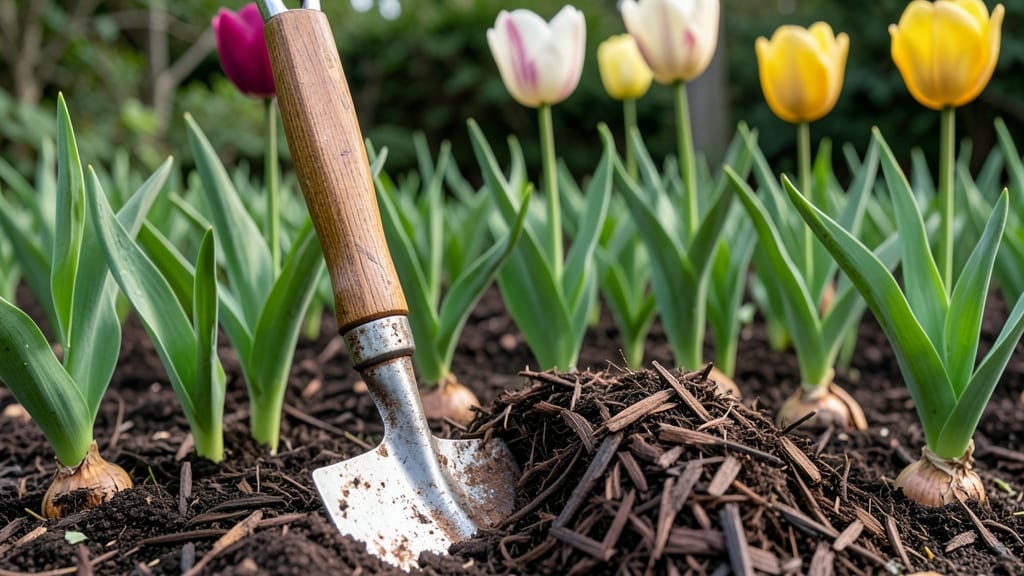
Planting tulips in Zone 8b between late October and early December unlocks the secret to bold spring blooms—but miss that window, and you risk rot or weak growth.
Here’s the catch: Zone 8b’s mild winters mean tulips need 6-8 weeks of cool soil to root before frost hits. Too early, and bulbs rot; too late, and they won’t bloom.
I’ve seen gardeners in Southern California pull out their shovels in September only to watch their tulips fail—so let’s fix that.
This guide breaks down the ideal planting window, how to adjust for microclimates (like coastal vs. inland), and the one trick that saves tulips from summer heat. Spoiler: mulch is your best friend.
By the end, you’ll know exactly when to plant for showstopping tulips—no guesswork, just science-backed timing for Zone 8b’s tricky balance of warmth and chill.
Zone 8b tulip planting deadlines: ideal soil temps and frost timing
Tulips thrive in Zone 8b when planted at the perfect moment—where soil temperatures drop below 60°F (15°C) and frost dates loom. This window ensures bulbs establish roots before winter dormancy, setting the stage for spring blooms that steal the show.
Miss it, and you risk rot or failed flowering. Let’s break down the science behind timing, so your tulips bloom like clockwork.
In Zone 8b, the sweet spot for planting tulips is between late October and early December. This aligns with soil cooling and the approach of first frost, which typically arrives around mid-December in most areas.
Planting too early (e.g., September) can trigger premature root growth, leaving bulbs vulnerable to rot in warm soils. Too late (January or later), and they may not get enough chill hours to bloom.
Soil temperature is your best friend here. Tulip bulbs need soils to cool to 60°F (15°C) before planting. Use a soil thermometer to check—plant when temps consistently dip below this threshold. In Zone 8b, this usually happens by late October, but coastal areas may delay until November due to milder winters.
Frost timing is another critical factor. Aim to plant 6-8 weeks before the first hard frost (usually 28°F/-2°C or lower). For most of Zone 8b, this means planting by early December. However, inland areas like Dallas may need to plant earlier (late October), while coastal Southern California can often push planting to December or even January.
Tulip bulbs require 12-16 weeks of chill hours (temperatures between 32-45°F (0-7°C)) to trigger flowering. In Zone 8b, this typically happens naturally during winter, but early or late winters can disrupt this cycle.
For example, a mild winter (like in 2015-2016) may leave tulips without enough chill, resulting in fewer or no blooms. To compensate, plant bulbs slightly earlier or use shade cloth in summer to reduce soil heat.
If you’re in a hot microclimate (e.g., south-facing slopes or urban heat islands), delay planting until November or even December to avoid premature sprouting. Conversely, in cooler microclimates (e.g., north-facing beds or woodland gardens), you can plant as early as October without risk.
Always adjust based on your local frost dates, which you can find using the USDA Plant Hardiness Zone Map or local weather stations.
One common mistake in Zone 8b is assuming spring planting works. While tulips can be planted in January-February, they rarely bloom as vigorously as fall-planted bulbs. Spring planting is only viable if you’re correcting a missed fall window or dealing with extremely mild winters.
Even then, use extra mulch (4-6 inches) to insulate bulbs and mimic winter chill.
Pro tip: Pre-cool bulbs for 4-6 weeks at 40°F (4°C) before planting if your winter is unusually warm. Store them in a garage or refrigerator (not the freezer!) to simulate chill hours. This trick can salvage blooms in mild winters or early springs.
Finally, don’t forget that bulb size matters. Larger bulbs (12-16 inches in circumference) have more energy reserves and can handle slight timing adjustments better than smaller bulbs. If you’re pushing the planting window, opt for premium-sized bulbs to improve your chances of success.
With these soil temp and frost timing guidelines, your Zone 8b tulips will bloom like a dream—just in time for spring’s grand entrance. 🌷
Microclimate adjustments: how to plant tulips earlier or later in Zone 8b
Zone 8b’s mild winters and hot summers create microclimates where tulip planting deadlines can shift by weeks. A north-facing bed might stay cool enough for early planting, while a south-facing slope could delay your window until January.
Understanding these variations lets you push or pull your planting schedule without sacrificing blooms.
For sheltered spots like north-facing gardens or shaded borders, you can plant tulips 2-3 weeks earlier than the standard October-November window. These areas stay cooler longer, reducing rot risk from warm soil.
Conversely, hot microclimates—like south-facing slopes or paved areas—may require delaying planting until late November or even December to avoid premature sprouting.
Planting Adjustments for Zone 8b Microclimates
- ✅ Soil stays cool longer
- ✅ Reduced rot risk from warm soil
- ✅ 6-8 weeks before frost (late Sept-Oct)
- ✅ Mulch with straw for insulation
- ✅ Avoids premature sprouting
- ✅ Soil cools naturally by winter
- ✅ Late Nov-Dec planting works
- ✅ Use shade cloth if planting early
- 🌱 Longer root establishment
- 🌱 Better bloom next spring
- 🌱 Less competition from weeds
- ⚠️ Higher rot risk in warm soil
- ⚠️ Needs extra mulch for insulation
- ⚠️ Less flexible if frost comes early
- 🌿 Lower rot risk
- 🌿 Natural soil cooling
- 🌿 Works in hot spots
- ❄️ Shorter root growth before winter
- ❄️ May need snow cover for insulation
- ❄️ Less time for blooms next spring
If you’re planting in a north-facing bed, aim for late September to early October—just as soil temps drop below 60°F (15°C). Add a 4-inch layer of straw mulch right after planting to insulate bulbs from any lingering warmth.
For south-facing slopes, wait until late November or December when soil naturally cools.
Snow cover can be your secret weapon for late plantings in Zone 8b. A 4-6 inch blanket of snow insulates bulbs like a winter quilt, protecting them from temperature swings.
In areas with light frosts, even a single snowfall can give your newly planted tulips the chill hours they need to bloom.
For hot microclimates, consider shade strategies like planting tulips under deciduous trees or using 30% shade cloth until soil cools. This buys you 2-3 extra weeks to plant without risking rot. Just remove the shade cloth once bulbs are established and soil temps drop below 50°F (10°C).
Test your soil’s readiness with a soil thermometer—plant when temps hover around 50-60°F (10-15°C). In sheltered spots, this might mean early October; in hot areas, it could be January.
The key is consistency: once planted, keep soil moist but not soggy until winter rains take over.