
Plants
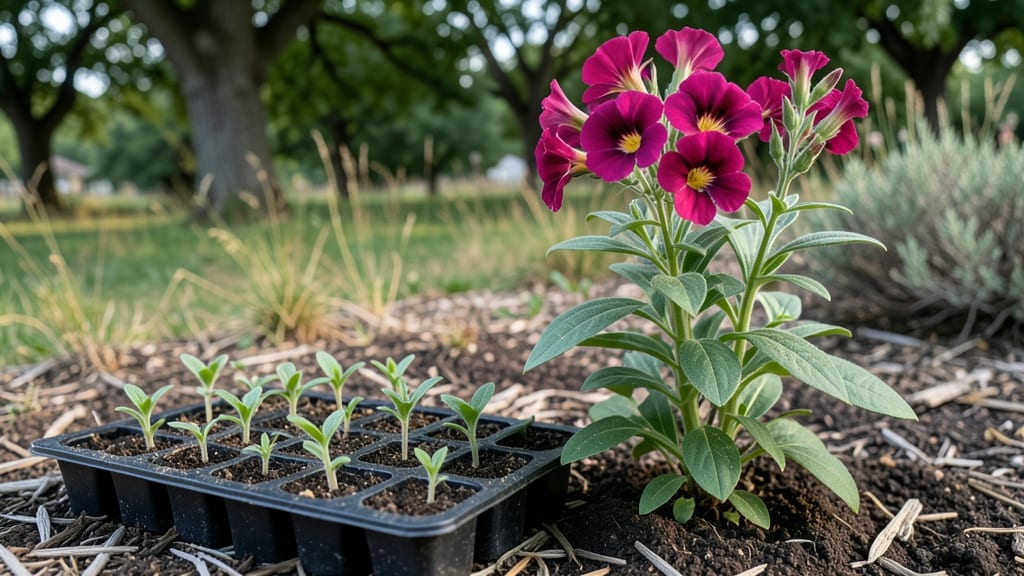
Plant snapdragons in Australia during spring (August–October) and early autumn (February–March) for vibrant blooms that last all season.
Timing matters more than you’d think—get it wrong, and you’ll end up with frost-bitten seedlings or flowers that bolt in the heat. The key is reading your local climate zone: in temperate regions like Victoria and NSW, aim for after the last frost, while tropical zones can plant almost year-round.
Whether you’re sowing seeds directly or starting them indoors, the right window ensures your 🌸 snapdragons thrive. Below, I break down the exact months for your area, plus soil prep tips to keep them flourishing from spring to summer.
You’ll also discover how staggered planting extends your blooms, and the one mistake that kills snapdragons faster than drought—spoiler: it’s not what most gardeners think.
Australia’s climate zones: best snapdragon planting months by region
Australia’s diverse climate zones create unique challenges and opportunities for growing snapdragons. In temperate regions like Victoria and NSW, cool springs and autumns provide perfect conditions, while tropical zones in Queensland allow year-round planting.
Even alpine areas in Tasmania can succeed with careful timing. Understanding your zone’s last frost date and soil temperature is key to avoiding stunted growth or frost damage.
Snapdragons thrive when planted during spring (August-October) in most regions, but tropical zones can extend this window. Soil temperatures between 10-20°C (50-68°F) are ideal for germination, while frost-free periods of at least 180 days ensure healthy growth.
Let’s break down the best planting months by zone to maximize your snapdragon’s potential.
In temperate zones, snapdragons love the mild spring temperatures of August–October, which align with their natural growth cycle. For example, in Sydney, planting in September ensures blooms by November, just in time for summer color.
If you’re in a cooler microclimate, like the Dandenong Ranges, extend your planting into early November for a second flush of flowers.
For tropical gardeners, the key is avoiding the hottest months (December–February). Instead, focus on March–May for autumn planting or September–October for spring. In Brisbane, I’ve found that planting in partial shade during the wet season prevents fungal diseases while keeping soil moisture consistent.
A 50% shade cloth works wonders in these conditions.
Alpine regions like Tasmania’s highlands require patience—October–November is your only window before winter sets in. Here, soil temperature is critical; wait until the ground warms to at least 12°C (54°F) before sowing.
I recommend using black plastic mulch to accelerate warming and protect young seedlings from late frosts, which can still occur into December.
Arid zones like Perth demand extra care due to their low humidity and hot summers. Planting in August–September gives snapdragons time to establish roots before the heat peaks. Always mulch deeply (5–7 cm) with organic matter like straw or wood chips to lock in moisture.
I’ve had success with drip irrigation set to water early morning to minimize evaporation.
No matter your zone, always test your soil pH before planting—snapdragons prefer 6.0–7.0. In acidic soils (common in tropical areas), add lime to raise pH, while alkaline soils (like those in Perth) benefit from sulfur or peat moss.
A simple soil test kit from your local nursery will save you guesswork and ensure your snapdragons thrive.
Pro tip: For continuous blooms, stagger your planting by
How to extend snapdragon blooms: staggered planting for continuous color
If you love the vibrant blooms of snapdragons but hate their short-lived flowers, staggered planting is your secret weapon. By spacing out your plantings, you’ll enjoy non-stop color from spring through autumn—even in Australia’s varied climates.
The trick lies in understanding seasonal triggers and container flexibility to extend the blooming window.
Snapdragons thrive in cool seasons but bolt quickly in summer heat. In temperate zones like Sydney or Melbourne, start your first batch in late winter (August) for spring blooms, then follow with monthly successions until early autumn. For tropical regions, focus on dry-season plantings (May-July) to avoid humidity stress.
Start with spring plantings (Aug-Sept)
Sow seeds 8-10 weeks before your last frost date for early blooms. In Melbourne, this means late August plantings.
Add monthly successions (Sept-Nov)
Plant new batches every 4-6 weeks to replace fading blooms. Use shorter varieties for containers to maximize space.
Try autumn plantings (Feb-Mar)
For late-season color, sow seeds in early autumn when temps drop below 25°C. This works well in Perth’s Mediterranean climate.
Use containers for flexibility
Move pots to shadier spots in summer or sunnier spots in winter. Dwarf varieties like 'Pompon' series thrive in 15cm pots.
Deadhead regularly for reblooming
Snip spent blooms above the next set of buds to encourage continuous flowering. This works best with hybrid varieties.
For container gardening, choose fast-maturing varieties like 'Matrix' or 'Colorado' series—they bloom in just 60-70 days, perfect for quick successions. Place containers on movable stands to adjust sunlight exposure as seasons shift. In hot climates, provide afternoon shade to prevent bolting.
Don’t forget to mulch heavily around plants to retain moisture and regulate soil temperature. A 3-inch layer of straw keeps roots cool in summer and prevents soil crusting that can stunt growth. This simple step extends blooming by 3-4 weeks in marginal climates.
With these strategies, your snapdragons will reward you with continuous color from September through May, even in Australia’s challenging seasons. The key is adapting to local conditions while keeping a steady supply of fresh plants in the ground.
🌸