
Plants
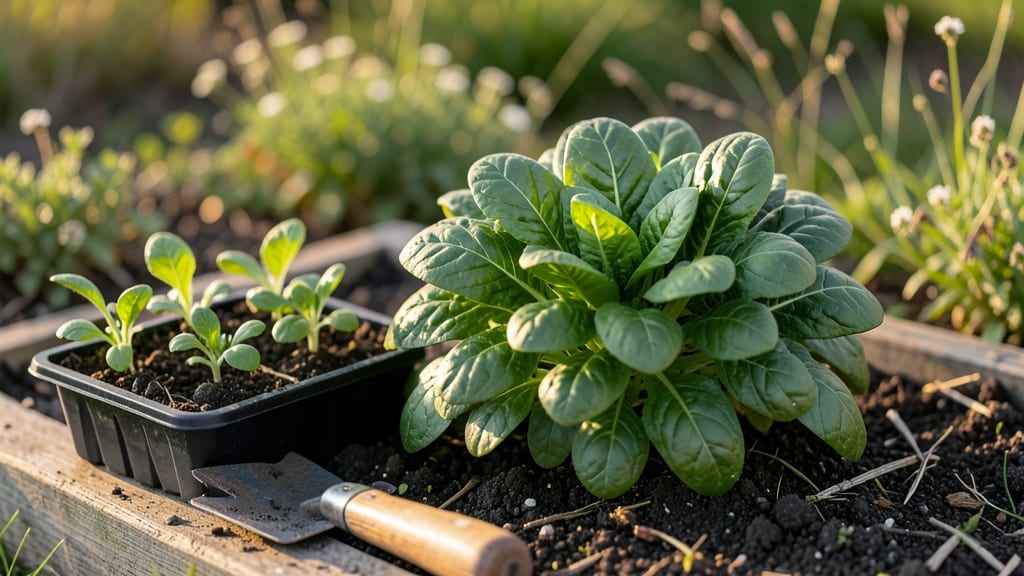
To plant spinach in Colorado, time it 4-6 weeks before your last spring frost—typically mid-March for Denver or late March for Colorado Springs—and again in late August for a fall harvest.
Colorado’s unpredictable weather can turn spinach planting into a gamble, but the right timing means lush, frost-resistant greens even in Zone 5-7’s short growing seasons. Get it wrong, and you’ll end up with bitter leaves or bolting plants before harvest.
This guide breaks down the exact windows for fall and spring planting, how to adjust for your microclimate (whether you’re on the Front Range or the Western Slope), and the best spinach varieties to thrive in Colorado’s elevation shifts.
You’ll also learn how to prep your soil, avoid common mistakes, and extend your harvest—so you’re picking tender 🥬 all season long.
Colorado spinach planting calendar: fall vs spring timing for Zones 5-7
Colorado’s short growing season and elevation variations make spinach planting a strategic game. In Zones 5-7, timing your spinach seeds for spring or fall harvests depends on your last frost dates and soil temperatures.
Denver (Zone 5b) and Colorado Springs (Zone 6b) have different windows, so I’ll break it down by region to maximize your frost-resistant greens.
Spinach thrives when soil temperatures stay between 40-85°F—too cold, and seeds rot; too hot, and it bolts. Most Colorado gardeners get two harvests per year: one in early summer and another in fall.
The key is planting 4-6 weeks before your last frost in spring and 8-10 weeks before your first frost in fall. Let’s dive into the month-by-month schedule tailored for your elevation.
🌱 Colorado Spinach Planting Calendar: Spring vs Fall
| Region | Spring Planting Window | Fall Planting Window | Last Frost Date | First Frost Date |
|---|---|---|---|---|
| Denver (Zone 5b) | March 15 - April 15 | August 1 - September 1 | April 20-30 | October 15-25 |
| Colorado Springs (Zone 6b) | March 20 - April 20 | August 10 - September 10 | April 25-May 5 | October 20-November 1 |
| Western Slope (Zone 6a-7a) | March 25 - May 1 | August 15 - September 15 | May 1-15 | October 30-November 10 |
| High Altitude (8,000+ ft) | April 1 - May 1 | August 10 - September 5 | May 10-20 | September 20-October 10 |
📌 Note: Adjust dates 1-2 weeks earlier for lower elevations (e.g., Pueblo) or later for higher elevations (e.g., Summit County).
For spring planting, start seeds indoors 4-6 weeks before your last frost date if you’re using transplants. Direct sowing outdoors works best when soil temperatures hit 40°F consistently.
In Denver, that’s usually mid-March, while Colorado Springs can wait until late March. Use row covers to extend your season by 2-3 weeks if early frosts threaten.
Fall planting is trickier but rewarding. Aim to sow seeds 8-10 weeks before your first frost—typically early August for Denver and mid-August for Colorado Springs.
This gives spinach time to mature before winter sets in. High-altitude areas like Telluride or Breckenridge should plant even earlier, around late July, to avoid premature bolting from summer heat.
Soil preparation is critical. Spinach prefers well-draining, slightly acidic soil (pH 6.0-7.0) rich in organic matter. Work in compost or aged manure 2-3 weeks before planting to improve fertility. Avoid fresh manure, which can cause leaf scorch or bolting. A soil thermometer helps—spinach seeds need consistent warmth to germinate.
Sow seeds ½ inch deep and 1 inch apart in rows spaced 12-18 inches apart. Thin seedlings to 4-6 inches apart once they’re 2-3 inches tall to prevent competition.
In Colorado’s dry climate, mulch with straw to retain moisture and suppress weeds. Water deeply every 2-3 days, keeping soil evenly moist but not soggy.
Watch for bolting, a common issue when spinach experiences heat stress or long days. If your plants start sending up flower stalks, harvest them immediately or replant with shade-tolerant varieties like 'Tyee' or 'Space', which handle Colorado’s summer heat better than standard types.
Succession planting every 2 weeks ensures a continuous harvest.
Harvest begins when leaves reach 4-6 inches long, typically 30-45 days after sowing. Cut outer leaves first, leaving the inner growth to keep producing. In fall, you can often harvest until hard frosts hit—spinach actually tastes sweeter after a light frost!
Store harvested leaves in plastic bags in the fridge for up to 5-7 days.
If you miss the ideal windows, don’t despair. Spinach is cold-hardy and can survive light frosts. For late spring plantings, use shade cloth to protect seedlings from intense afternoon sun. In fall, a cold frame
How Colorado microclimates affect spinach success: elevation, sun exposure, and soil tips
Colorado’s diverse landscapes—from the Front Range’s urban gardens to the Western Slope’s arid deserts—create unique challenges for growing spinach. Elevation shifts of just 1,000 feet can alter frost dates by weeks, while sun exposure varies dramatically between north-facing yards and south-facing plots.
Understanding these microclimates is key to avoiding bolting (premature flowering) and maximizing your harvest.
In Denver and Boulder (Zone 5b-6a), spinach thrives in cool spring mornings but wilts under afternoon sun. Meanwhile, Grand Junction’s desert climate (Zone 6b) demands extra soil moisture to prevent bolting, while mountain valleys like Aspen (Zone 4) require cold-hardy varieties like 'Bloomsdale Long Standing' to survive late frosts.
Let’s break down how to adapt your approach for each region.
🌱 When to Plant Spinach in Colorado by Microclimate
| Region | Spring Planting | Fall Planting | Key Adjustment |
|---|---|---|---|
| Front Range (Denver/Boulder) | March 15–April 15 | August 1–September 1 | Use row covers for late frosts |
| Western Slope (Grand Junction) | March 1–April 1 | July 15–August 15 | Add mulch to retain moisture |
| Mountain Valleys (Aspen) | April 15–May 1 | July 20–August 10 | Choose 'Bloomsdale' variety |
💡 Pro Tip: Test soil temps—spinach germinates best at 40–85°F. Use a soil thermometer to avoid cold-soil delays.
For Front Range urban gardens, prioritize partial shade to protect spinach from intense afternoon sun. Plant in north-facing beds or use shade cloth (30–50%) if your yard faces south.
In Denver’s Zone 5b, a late-March planting often bolts by June, so succession plant every 2 weeks for continuous harvests through May.
On the Western Slope, where low humidity and high winds dry out soil quickly, amend beds with compost and organic matter (like aged manure) to improve water retention. Drip irrigation is a game-changer here—keep soil consistently moist to prevent bolting.
Avoid planting near hot, reflective surfaces (like driveways), which can scorch tender leaves.
In mountain valleys, where frost dates shift weekly, opt for cold-hardy varieties like 'Tyee' or 'Giant Winter' and use floating row covers until soil warms. These areas also benefit from raised beds, which warm up faster in spring.
If planting in late summer for fall harvests, choose slow-bolting types like 'Space' and harden off seedlings gradually to avoid transplant shock.
Soil pH matters too—spinach prefers 6.0–7.0. Test your soil and amend with lime if needed (Front Range soils often test acidic). For nutrient-rich greens, side-dress with compost tea every 3–4 weeks during active growth.
Remember: Over-fertilizing with nitrogen can lead to rapid but bitter growth, so balance is key.
Finally, monitor late-spring risks. If temperatures rise above 75°F for more than a week, spinach will bolt. Use shade cloth or move containers to dappled shade to extend your harvest window. With these microclimate tweaks, you’ll turn Colorado’s challenges into spinach-growing success—even in tricky conditions! 🌿