
Plants
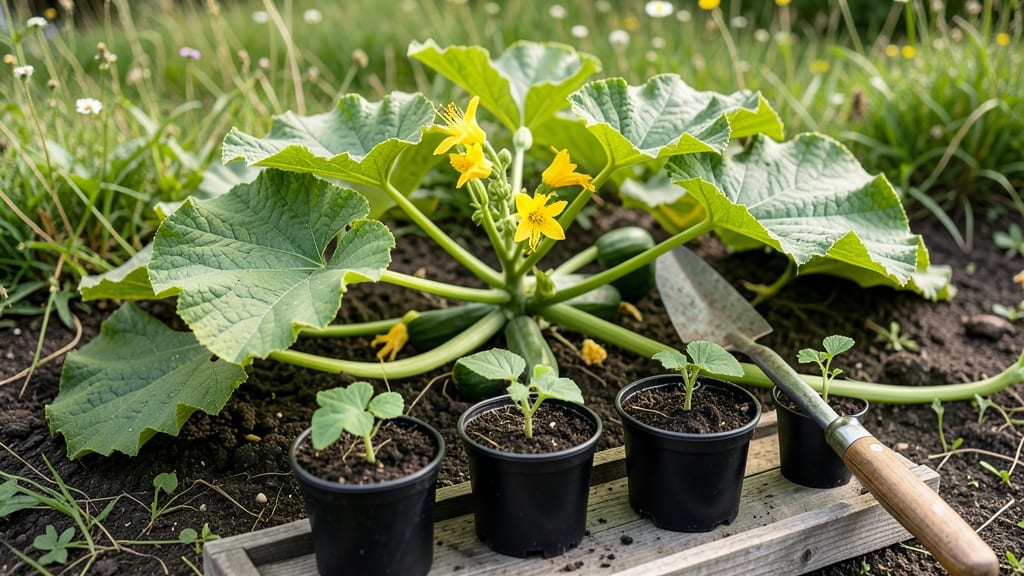
Plant squash in Massachusetts after the last frost date, typically around mid-May, when soil temperatures hit at least 60°F for reliable germination.
Massachusetts gardeners know timing is everything—plant squash too early and frost will ruin your harvest, but wait too long and summer’s fleeting heat will pass you by. Whether you’re growing zucchini or butternut, getting the window right means the difference between a bountiful harvest and a sad, wilted vine.
Summer squash like zucchini and yellow squash need to be in the ground by early June to mature before fall’s first frost, while winter varieties like pumpkins and acorn squash can handle a slightly later start.
The key is knowing your last frost date and soil warmth, which vary across the state from Boston to Springfield.
Below, I’ll break down the exact planting windows by region, whether to start seeds indoors or direct-sow, and how to extend your growing season with row covers or mulch—so you can enjoy fresh 🎃 from July through October without guessing.
Massachusetts frost-free deadlines for planting summer vs winter squash
Massachusetts’ short growing season means knowing your last frost dates is critical for squash success. In most of the state, the average last frost falls between mid-April and early May, but soil temperature (not air temp) determines when it’s truly safe to plant.
For summer squash like zucchini and yellow squash, you’ll want to start planting 2-3 weeks after that final frost—when soil reaches 60°F+—to ensure fast germination and a full harvest before fall.
Winter squash varieties like butternut, acorn, and pumpkins need even more time to mature, so they often require earlier starts indoors or extended season techniques. The key is balancing frost-free days (typically 165 days in MA) with your chosen variety’s days to maturity.
Let’s break down the planting windows by region and squash type so you can time your harvest perfectly.
For summer squash, the goal is to plant after the last frost but before mid-June, giving you a 90-110 day window to harvest before fall.
In Boston, where the last frost often lingers until mid-May, I recommend waiting until May 20 to direct sow zucchini or yellow squash. The soil temperature is the real deciding factor—use a soil thermometer to confirm it’s 60°F+ before planting.
Winter squash varieties like butternut or acorn need 100+ days to mature, so they often require indoor starts or earlier outdoor planting.
In Springfield, where the last frost arrives 2 weeks earlier than Boston, you can start butternut squash seeds indoors as early as March 20 and transplant April 15. This gives the vines enough time to establish before summer heat peaks.
If you’re growing pumpkins for Halloween, aim to plant seeds directly outdoors by May 1 in most of MA. Varieties like ‘New England Pie Pumpkin’ mature in 90 days, so planting too late risks small harvests before frost.
For extended season growing, use row covers or black plastic mulch to push your harvest window into October.
One common mistake I see is planting summer squash too early and having seedlings wilt from cold soil. Always wait for consistent 60°F+ soil temps—even if the air feels warm. Test your soil with a thermometer for 3-5 days before planting to ensure reliability.
For winter squash, the opposite risk is planting too late—vines need 6-8 weeks to establish before producing fruit.
Pro tip: In cooler regions like Boston, consider succession planting summer
Best planting methods for squash in Massachusetts gardens
Massachusetts gardeners face a unique challenge with squash—our short growing season demands precision. Whether you're growing zucchini or butternut squash, choosing the right planting method can mean the difference between a bountiful harvest and wasted effort.
I’ve grown squash for years in MA, and I’ve learned that direct sowing works best for most varieties, but there are times when transplanting gives you that extra edge. Let’s break down the best approaches for your garden.
One of my biggest mistakes early on was rushing to plant squash seeds too soon. Cold soil and frost can kill seedlings before they even sprout. In Massachusetts, soil temperatures need to reach at least 60°F (15°C) for seeds to germinate properly.
This usually happens around late May in most regions, but it can vary by 1-2 weeks depending on your microclimate. Always check your local frost dates and monitor soil warmth—it’s worth the wait!
Direct Sowing vs. Transplanting Squash in MA
Direct Sowing
- ✅ Best for: Summer squash (zucchini, yellow squash)
- ✅ Pros: Stronger roots, no transplant shock, perfect for MA’s short season
- ✅ When: After last frost (late May-early June)
- ✅ Spacing: 2-3 feet apart in hills
Transplanting
- ✅ Best for: Late varieties, winter squash (butternut, acorn)
- ✅ Pros: Extends growing season, better for cold-sensitive varieties
- ✅ When: Start indoors 3-4 weeks before last frost
- ✅ Spacing: 3-4 feet apart for vining types
For optimal spacing, I recommend planting squash in hills—mound soil into small pyramids and place 2-3 seeds per hill. This improves drainage and makes it easier to harvest.
Space hills 3-4 feet apart for vining varieties like butternut squash, but you can get away with 2 feet for bushier types like Eight Ball zucchini. Crowding leads to powdery mildew and poor fruit development, so don’t skimp on space!
Companion planting is another trick I swear by in my MA garden. Marigolds and nasturtiums are my go-to companions—they repel pests like squash bugs and cucumber beetles while adding color to the garden.
I also interplant with bush beans, which fix nitrogen in the soil and give squash vines something to climb on early in the season. Just avoid planting near potatoes or melons, as they compete for nutrients.
To extend your squash season in Massachusetts, I rely on row covers and black plastic mulch. In early spring, I use floating row covers to protect seedlings from late frosts while still allowing sunlight.
For late-season harvests, black plastic mulch keeps the soil warm longer, helping winter squash like Waltham butternut mature before frost. And if you’re feeling ambitious, try succession planting—sow a second batch of fast-maturing varieties like Early Prolific in early July for a fall harvest.
Avoid these common mistakes that I’ve seen (and made!) in MA gardens: planting too deep (seeds need light to germinate), skipping soil prep (amend with compost!), or ignoring pest prevention. Squash bugs are a nightmare—handpick them early or use neem oil as a preventative.
And always rotate crops yearly to prevent soil-borne diseases. With the right methods, you’ll be feasting on homegrown squash from July through October—no greenhouse required!