
Plants
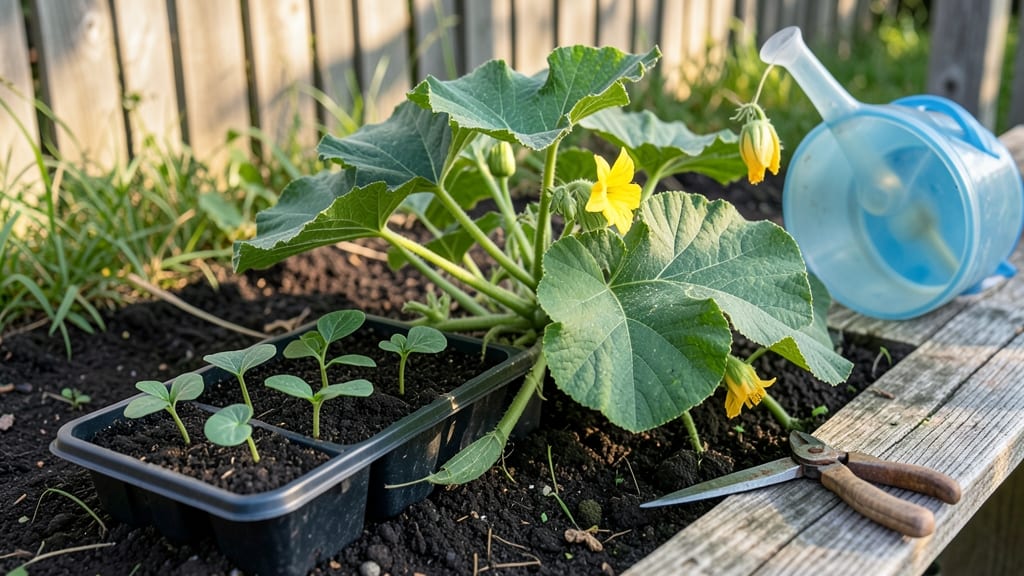
Plant squash in Michigan after the last frost date—typically mid-April to early May—but timing varies by zone and variety, so let’s break down the best windows for your garden.
Michigan gardeners know timing is everything—plant squash too early and frost will kill your crops, too late and summer heat arrives before harvest. Get the perfect frost-free planting schedule for Michigan’s unique zones and squash varieties to maximize your yield.
Summer squash like zucchini and winter varieties such as butternut need different starts: summer squash thrives with a quick 40-50 day window, while winter squash needs 80-100 days of warmth. I’ll show you how to align planting with Michigan’s short season.
You’ll also discover soil prep tricks—like black plastic mulch—to warm the ground faster—and the best companion plants to keep pests at bay. Ready to grow a bountiful harvest? Let’s dive in.
Michigan squash planting dates by hardiness Zone (USDA 4b-6a)
Michigan’s cool springs and short growing season demand precise timing for squash planting. Whether you’re growing zucchini or butternut squash, planting too early risks frost damage, while late planting may leave you with a meager harvest. Understanding your USDA zone and last frost dates is key to success.
Squash thrives in warm soil (at least 60°F) and needs 90+ frost-free days to mature. In Michigan, this typically means waiting until mid-May to early June in colder zones (4b-5a) and late April to mid-May in warmer zones (5b-6a). Let’s break down the ideal planting windows for each zone.
For USDA Zone 4b (Northern Michigan), wait until mid-May when soil temperatures consistently reach 60°F. This zone has the shortest growing season, so focus on fast-maturing varieties like 'Eight Ball' zucchini or 'Waltham Butternut' squash.
Planting too early risks frost damage to young seedlings, while late planting may leave you with a harvest too close to the first frost in mid-October.
In USDA Zone 5a (Upper Peninsula), your planting window shifts to late May to mid-June. This zone’s cooler temperatures and shorter summer make it ideal for compact varieties like 'Patio Star' zucchini.
Use black plastic mulch to warm the soil faster and extend the season. Start seeds indoors in late April for a head start.
Gardeners in USDA Zone 5b (Central Michigan) enjoy a slightly longer season, allowing for early May plantings. This is perfect for classic varieties like 'Black Beauty' zucchini or 'Delicata' squash.
If you’re eager to start earlier, use row covers to protect seedlings from late frosts. Monitor your local frost forecast closely—late spring can bring unexpected cold snaps.
Southern Michigan’s USDA Zone 6a offers the most flexibility, with plantings possible as early as early April for heat-tolerant varieties. 'Hubbard' squash and 'Golden Zucchini' thrive here, but be mindful of summer heat, which can stress plants.
Provide adequate shade cloth during peak summer months to prevent sunscald on fruits.
Regardless of your zone, always test your soil temperature before planting. A simple soil thermometer (available at garden centers) ensures your seeds won’t rot in cold soil. For winter squash varieties, consider planting in early July to give them enough time to mature before the first frost.
This is especially useful in Zone 4b, where summers are short.
Pro tip: Mark your calendar for Michigan State University’s frost date maps (available online) to get hyper-localized advice. These maps account for microclimates and help you fine-tune your planting schedule. Pair this with a planting journal to track what works best in your specific location year after year.
🎃
Best squash varieties for Michigan gardens & their ideal planting times
Michigan’s short growing season demands fast-maturing squash varieties that thrive in cool summers and avoid early frost. I’ve tested zucchini, butternut, pumpkin, and acorn squash in my USDA Zone 5b garden—here’s what works best and when to plant each for maximum yield.
Timing is critical: Summer squash (like zucchini) needs 50-60 days to harvest, while winter squash (like butternut) requires 80-100 days. Plant too late, and you’ll miss the harvest window entirely—especially in northern Michigan where frost can arrive as early as mid-October.
| Variety | Days to Maturity | Best Planting Time | Michigan Notes |
|---|---|---|---|
| Zucchini ('Eight Ball') | 45-50 days | Mid-May to early June | Compact bush variety; harvest every 2-3 days to prevent overgrowth. Ideal for small spaces. |
| Butternut ('Waltham') | 80-90 days | Early May (start indoors) | Needs longer season; use row covers for early frost protection. Harvest before first frost. |
| Pumpkin ('Howden') | 90-100 days | Late April to early May | Plant early for Halloween harvests. Needs full sun and space—vines spread 6+ feet. |
| Acorn ('Table Queen') | 50-55 days | Late May to early June | Fast-growing; great for late-season harvests. Store well in cool, dark spaces. |
For northern Michigan (Zone 4b), I recommend starting zucchini and acorn squash indoors in late April and transplanting after the last frost date. In southern Michigan (Zone 6a), you can direct-sow butternut and pumpkin as early as mid-April with black plastic mulch to warm the soil faster.
Pro tip: Succession plant zucchini every 2 weeks from May to June for a continuous harvest. I’ve had success with 3 plantings in my garden—each yielding 10-12 squash per plant before the first frost. Just be sure to harden off seedlings for 7-10 days before transplanting to avoid shock.
If you’re new to squash growing, zucchini is the easiest to master—it’s fast-growing, prolific, and forgiving. Butternut squash, while more rewarding, requires more patience and protection from Michigan’s unpredictable weather. For beginner-friendly varieties, stick with 'Eight Ball' zucchini or 'Table Queen' acorn squash.
Remember: Soil temperature matters. Wait until the soil reaches at least 60°F before planting—cold soil delays germination and invites damping-off disease. Use a soil thermometer to check, especially in spring when nights are still chilly.