
Plants
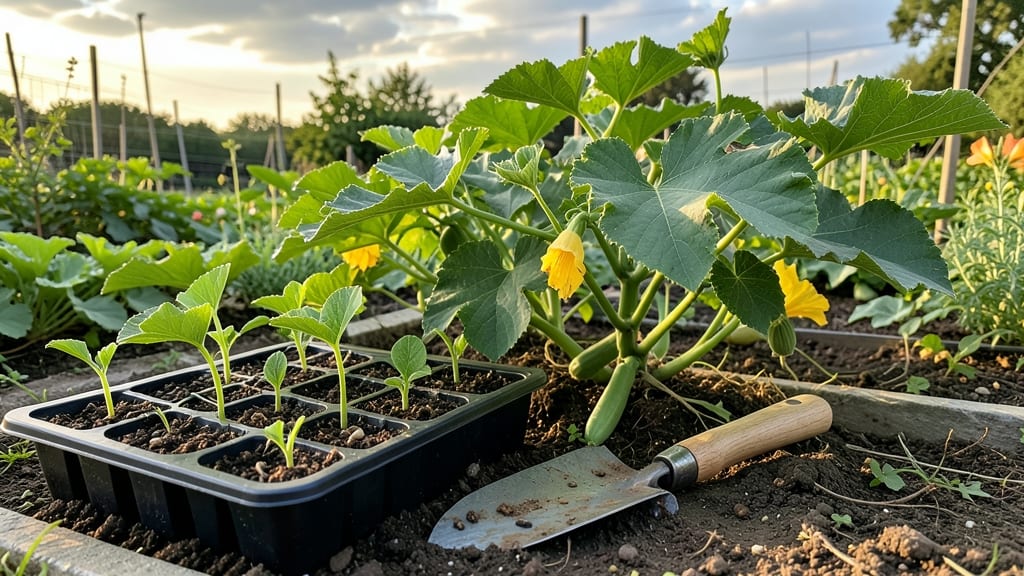
Planting squash in Utah means timing it just right — after the last frost and when soil temperatures hit 60°F or warmer, usually between late April and early June.
If you’ve ever watched your squash seedlings wilt overnight or seen blooms drop before they set fruit, you know Utah’s unpredictable weather can turn gardening into a guessing game.
The Wasatch Front’s late frosts and southern Utah’s early heat demand different strategies, and getting it wrong means missing out on zucchini, butternut, or pumpkins all season.
This guide breaks down the exact frost-free dates by region, soil prep tips to speed up warming, and how to stretch your growing window with row covers or succession planting.
Whether you’re in Park City or St. George, these Utah-tested methods will help you avoid the two biggest squash-killers: cold snaps and scorching summers.
You’ll also discover the three best squash varieties for Utah’s climate, when to fertilize for maximum yield, and companion plants that keep pests away. Ready to grow squash like a pro? Let’s get started.
Utah’s frost-free dates by region: best planting windows for squash
Utah’s diverse landscapes—from the high deserts of Southern Utah to the alpine valleys of the Wasatch Front—create wildly different frost-free dates for squash.
In St. George (USDA Zone 8a), you might plant as early as mid-March, while Park City (Zone 5b) gardeners often wait until late May. These regional differences mean your squash planting window could vary by 6-8 weeks depending on elevation and microclimate.
Squash thrives in warm soil (60°F+) and consistent temperatures above 50°F. Utah’s last frost dates range from mid-April in St. George to early June in Logan. To avoid frost damage, always wait until 2 weeks after your local frost-free date—especially for cold-sensitive varieties like butternut squash.
Here’s how Utah’s four key regions break down for squash planting, including USDA Zone adjustments and ideal transplant dates:
In Southern Utah, where USDA Zone 8a dominates, you can start direct-sowing squash seeds as early as late March—but use row covers if nights dip below 50°F. The St. George area even supports two squash harvests in a season if you plant early varieties in March and successive crops in July.
For the Wasatch Front, including Park City and Ogden, the 6000+ ft elevation delays planting until early June. Here, cold-hardy varieties like Waltham Butternut perform best, as they tolerate cooler soils. Use black plastic mulch to warm the soil 5-10°F faster in these high-altitude zones.
Cache Valley’s 6a-6b zones offer a middle ground, with late May being the safest start date. The cool nights here mean zucchini and summer squash thrive, while winter squash like butternut need extended growing seasons.
If you’re in Logan or Richmond, aim to transplant 4-6 week old seedlings by June 1st to ensure a harvest before first frost in mid-October.
Pro tip: Check Utah State University Extension’s frost maps annually, as climate shifts can delay frost dates by 1-2 weeks
How to extend the squash growing season in Utah’s short summers
Utah’s short growing season can feel like a race against time for squash lovers. But with the right strategies, you can stretch your harvest from early summer to late fall—even in our variable climate. The key lies in protecting young plants and extending warmth during critical phases.
Whether you’re growing zucchini, butternut squash, or pumpkins, these techniques will help you beat Utah’s early frosts and late-spring chills.
One of my favorite tricks is starting squash seeds indoors under grow lights 4-6 weeks before the last frost date. This gives seedlings a head start and ensures they’re large enough to handle transplant shock. For most of Utah, that means mid-March to early April for indoor starts.
Pair this with row covers or cold frames to shield young plants from unexpected late frosts, which can still linger into May in mountain regions.
🌱 5 Proven Ways to Extend Your Squash Season in Utah
- 1. Start seeds indoors 4-6 weeks before last frost (mid-March to early April). Use biodegradable pots to avoid root disturbance.
- 2. Use row covers or floating tunnels to protect seedlings until soil warms to 60°F+. Remove when flowers appear to prevent heat stress.
- 3. Plant succession crops every 2 weeks after the last frost. Choose fast-maturing varieties like ‘Eight Ball’ zucchini (45 days to harvest).
- 4. Install cold frames or low tunnels to extend fall harvests. Remove during the day when temps rise above 75°F.
- 5. Mulch heavily with straw or black plastic to retain soil moisture and warmth. In Utah’s arid climate, this is non-negotiable for consistent yields.
Succession planting is another game-changer for Utah gardeners. Instead of planting all your squash seeds at once, stagger them every 2 weeks after the last frost. This ensures a continuous harvest and reduces the risk of losing your entire crop to pests or disease.
For example, if your last frost date is May 10, plant your first batch on May 15, then follow up with additional plantings on May 29 and June 12. This way, you’ll have squash ready to pick from July through September.
Water management is equally critical in Utah’s arid climate. Squash plants need 1-2 inches of water weekly, but they’re particularly sensitive to drought stress during flowering and fruiting.
I’ve found that drip irrigation or soaker hoses work best, delivering water directly to the roots while keeping foliage dry. Avoid overhead watering, especially in the evening, as this can promote powdery mildew, a common issue in Utah’s humid mountain valleys.
For those chilly mornings in late September or early October, don’t let your squash season end prematurely. Use row covers or cloches to trap heat and protect vines from light frosts (28-32°F).
You can even extend harvests into October in Southern Utah (USDA Zone 8) with these simple protections. Just remember to remove covers during the day to prevent overheating.
Finally, choose drought-tolerant varieties like ‘Straightneck’ yellow squash or ‘Waltham Butternut’ to give yourself an extra edge. These varieties thrive in Utah’s hot, dry summers and produce well even with less frequent watering.
Pair them with companion plants like bush beans or marigolds to improve soil health and deter pests naturally.