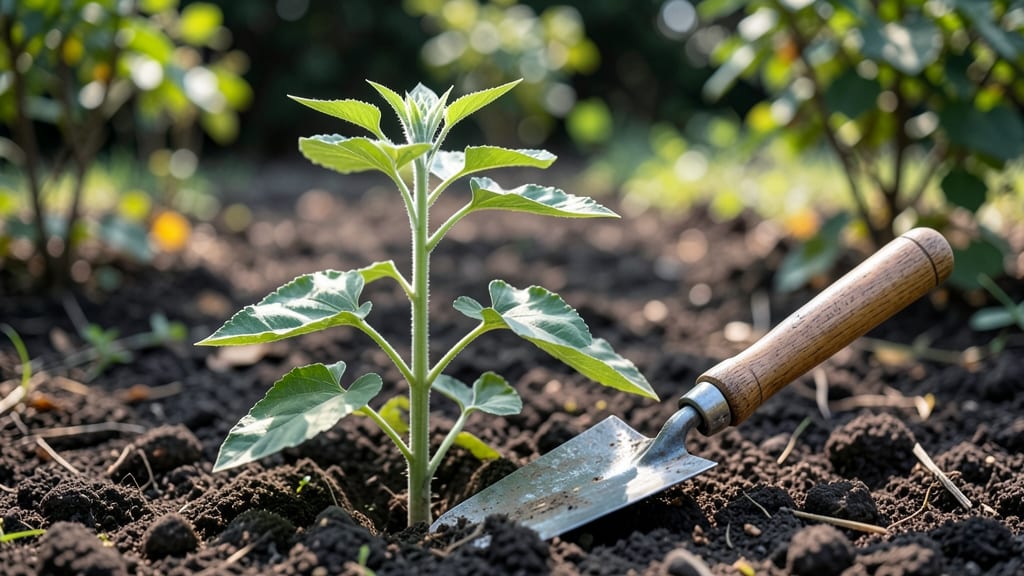
To plant sunflower seeds in New Jersey, aim for mid-April to mid-June when soil temperatures hit 50°F—any earlier risks frost damage, while late plantings may not mature before fall.
Picture this: you’ve waited all winter for those bright 🌻 faces to greet spring, only to watch your seedlings shrivel under a surprise frost. That’s why timing matters—NJ’s USDA zones 6a-7b demand precision, especially in coastal areas where cold snaps linger longer.
Your county’s microclimate plays a bigger role than you’d think. Inland zones like Sussex can push seeds into the ground by early April, while coastal spots near Cape May may need to wait until late May. The difference? Up to 3 weeks in your growing window.
Below, I’ll break down the exact deadlines by county, soil prep tricks to speed up germination, and how to pick sunflower varieties that thrive in NJ’s short season—so you’re left with bouquets, not busts.
🌻
When to Plant Sunflower
Jan
❄️
Feb
❄️
Mar
🌱
Apr
🌻
May
🌻
Jun
🌻
Jul
🌱
Aug
☀️
Sep
🍂
Oct
🍂
Nov
🍂
Dec
❄️
NJ county-specific sunflower planting deadlines by USDA zone
New Jersey’s 21 counties span USDA Zones 6a-7a, creating microclimates where last frost dates can vary by 2-3 weeks. Coastal areas like Cape May (Zone 7a) often see warmer springs, while inland Sussex County (Zone 6a) holds frost longer.
To avoid frost damage and maximize 165 frost-free days, timing is everything—especially for sunflowers that need 70-120 days to mature.
For direct sowing, wait until soil reaches 55°F (13°C)—a critical threshold for germination. Transplants can go in 2-3 weeks earlier if started indoors. Below, I’ve broken down county-specific deadlines based on historical data, with adjustments for coastal warmth and inland chill.
Pro tip: Use row covers to extend your window in colder zones like Passaic or Bergen.
Soil temperature is your best guide—never plant when nights dip below 45°F (7°C). Coastal counties like Atlantic can start 2 weeks earlier than inland Hunterdon, where late frosts linger. For transplanting, harden off seedlings for 7-10 days before setting them out after your county’s last average frost date.
| County |
USDA Zone |
Last Frost Date |
Direct Sow Deadline |
Soil Temp Threshold |
Microclimate Note |
| Atlantic |
7a |
April 10 |
April 25 – May 10 |
55°F (13°C) |
Coastal warmth; extend to May 15 |
| Bergen |
6b |
April 22 |
May 5 – May 20 |
55°F (13°C) |
Urban heat island effect |
| Burlington |
6b |
April 18 |
May 1 – May 15 |
55°F (13°C) |
River valleys warm faster |
| Cape May |
7a |
April 5 |
April 20 – May 5 |
55°F (13°C) |
Salt spray tolerance needed |
| Essex |
6b |
April 20 |
May 5 – May 20 |
55°F (13°C) |
Cooler near coast |
| Gloucester |
7a |
April 12 |
April 25 – May 10 |
55°F (13°C) |
Pinelands microclimate |
| Hunterdon |
6a |
May 1 |
May 15 – May 30 |
55°F (13°C) |
Late frosts common |
| Middlesex |
6b |
April 15 |
April 30 – May 15 |
55°F (13°C) |
Urban heat island |
| Monmouth |
7a |
April 10 |
How to adjust planting for NJ’s microclimates: coastal vs. inland tips
New Jersey’s diverse geography means your sunflower’s success depends on where you live. Coastal areas like Cape May face salty air and cooler temperatures, while inland zones like Sussex County experience hotter summers and drier conditions.
Understanding these microclimates helps you pick the right timing and varieties for your garden. Let’s break down the key adjustments for each region.
For coastal NJ, salt spray can damage young sunflower seedlings. Start seeds indoors 4–6 weeks before your last frost date (typically mid-April) and transplant after soil warms to 55°F. Coastal areas also benefit from windbreaks like fences or shrubs to protect tender plants.
In contrast, inland gardens can plant directly outdoors as early as late March once soil temperatures reach 60°F.
🌊 Coastal NJ Adjustments
- Salt tolerance: Choose dwarf varieties like 'Teddy Bear' (3–4 ft) for containers or raised beds to avoid soil salt buildup.
- Planting window: April 15–May 15 for direct sowing; earlier for indoor starts.
- Watering: Use rainwater if possible to avoid salt accumulation in soil.
- Soil prep: Amend with compost to improve drainage in sandy coastal soils.
🏞️ Inland NJ Adjustments
- Heat tolerance: Opt for heat-resistant varieties like 'Moulin Rouge' (6–8 ft) for inland heat waves.
- Planting window: Late March–April 30 for direct sowing; extend to early June for fall blooms.
- Watering: Deep watering 2x/week during droughts (common in Sussex County).
- Mulching: Apply straw mulch to retain moisture in dry, inland soils.
⛰️ High-Altitude (Kittatinny Mountains)
- Elevation delay: Plant 2–3 weeks later than lowland areas (aim for May 1–15).
- Cold-hardy varieties: Try 'Autumn Beauty' (4–5 ft) for shorter seasons.
- Soil warmth: Use black plastic mulch to warm soil faster in cooler microclimates.
Urban gardeners in Newark or Jersey City face unique challenges like limited space and heat island effects. Choose container-friendly dwarf varieties and water early mornings to prevent evaporation. Rural areas, meanwhile, can handle taller varieties like 'Russian Giant' (12–14 ft) with spacious beds and less frequent watering once established.
Pro tip: Monitor your local almanac frost dates—coastal areas like Atlantic City may have 10–14 days later last frosts than inland Morris County. Adjust your planting timeline accordingly to avoid late-spring frosts that can stunt growth.
For example, if your area has a May 10 average frost date, hold off on direct sowing until May 15.
Don’t forget to test your soil pH—coastal soils often lean sandy and acidic, while inland soils may be clay-heavy and alkaline. Aim for a neutral pH (6.0–7.0) by amending with lime or sulfur as needed.
With these microclimate tweaks, your sunflowers will thrive from shore to shore.
🌻
★★★★★5.0(10 reviews)