
Flowers
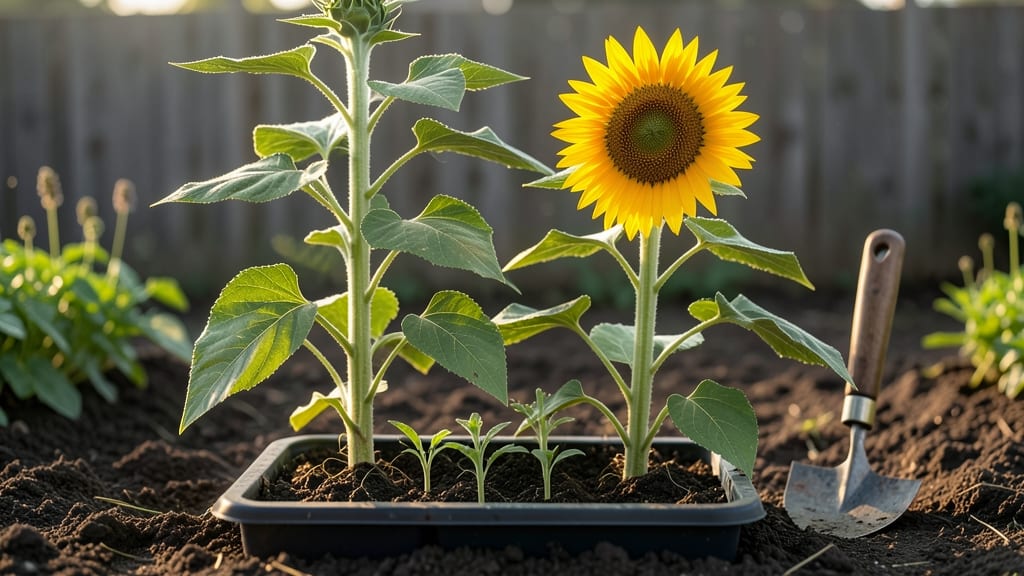
Planting sunflowers in New England after the last frost — typically mid-May — unlocks their full potential for towering blooms 🌻 from summer to fall.
New England’s unpredictable frost dates can make sunflower planting a guessing game—but timing these cheerful giants right ensures stunning blooms from summer to fall.
In zones 5b-6b, the window between mid-May and early July is your best bet, though early varieties can handle a late start in July. Miss the mark, and you risk stunted growth or late frosts cutting the season short.
Below, I break down frost-free dates by region, the fastest-maturing varieties for your climate, and how to stretch the season with simple tricks like mulch and companion planting.
New England frost dates & ideal sunflower planting windows by region
New England’s last frost dates vary dramatically from Maine’s coastal chill to Connecticut’s warmer valleys, making sunflower timing a regional puzzle.
In Zone 3 (northern Maine), you’ll wait until late May for safe planting, while Zone 6 (southern Connecticut) gardeners can start as early as mid-April in sheltered spots. The key? Soil temperatures must stay above 55°F (13°C) for consistent germination.
Sunflowers thrive on long growing seasons, so New England’s 150-180 frost-free days demand careful variety selection. Plant too early, and a late frost will nip tender seedlings. Too late, and your giant sunflowers may not reach maturity before first frost in October.
The sweet spot? Mid-May to early July for most regions, with succession planting to extend harvests.
Here’s how New England’s frost patterns break down by region—and how to use them for perfect sunflower timing:
In Zone 3 (northern Maine), where first frosts can linger until June 10, I recommend fast-maturing varieties like ‘Autumn Beauty’ (56 days) or ‘Teddy Bear’ (60 days). These dwarf sunflowers tolerate cooler soils and still produce vibrant blooms before frost.
For Zone 6 (Connecticut), you’ve got flexibility—plant Mammoth Russian (120 days) in early April for towering 12-foot giants or successive plantings of ‘Sunspot’ (60 days) every 2 weeks for continuous blooms.
Soil temperature is more critical than air temperature for sunflower germination. Use a soil thermometer to confirm 55°F+ before planting. In cooler regions, black plastic mulch can raise soil temps by 5-10°F, letting you plant 2-3 weeks earlier.
For container growing, place pots in south-facing spots and use heat mats to jumpstart growth.
New England’s unpredictable weather means flexibility is key. If a late frost threatens after planting, cover seedlings with frost cloth until danger passes. Conversely, if hot, dry summers arrive early, prioritize watering young plants to prevent bolting.
I’ve seen sunflowers planted in July still produce plump seeds if given consistent moisture and afternoon shade during heatwaves.
Best sunflower varieties for New England’s short growing season
New England’s cool summers and short growing season demand sunflower varieties that mature quickly while withstanding chilly nights and humid conditions. The right variety can mean the difference between towering blooms by August or stunted growth from frost.
I’ve tested these top performers in my Zone 5b garden—each chosen for fast maturation and disease resistance.
For early blooms, prioritize varieties with 45–60 days to maturity. These fit neatly between last frost (mid-May) and first frost (mid-October).
Dwarf varieties are ideal for containers or small spaces, while standard types thrive in open beds. Black plastic mulch can shave off 10–14 days of growing time by warming the soil.
| Variety | Days to Maturity | Height | Planting Depth | Cold Tolerance |
|---|---|---|---|---|
| 'Teddy Bear' (Dwarf) | 50–55 days | 3–4 ft | 1 inch | High |
| 'Autumn Beauty' | 60–65 days | 5–6 ft | 1 inch | Moderate |
| 'Moulin Rouge' | 55–60 days | 4–5 ft | 1 inch | High |
| 'Russian Giant' | 80–100 days | 10–14 ft | 1.5 inches | Low (plant late) |
| 'Sunspot' (Dwarf) | 50–55 days | 2–3 ft | 1 inch | Very High |
'Teddy Bear' and 'Sunspot' are my go-to dwarf varieties for containers or pollinator gardens. Their 50-day maturity ensures blooms by July, even in cooler Zone 4 areas. For cut flowers, 'Autumn Beauty' delivers bold, striped blooms with long vase life—perfect for late-summer arrangements.
If you’re aiming for dramatic height, 'Russian Giant' is tempting but risky in New England. Plant it after June 1st and use black plastic mulch to extend the season. I’ve seen 12-foot stalks in Zone 6b with this method, though yields vary yearly.
For disease resistance, avoid tall, thin-stemmed varieties like 'Mammoth'—they’re prone to powdery mildew in New England’s humidity. Instead, opt for sturdy stems like 'Moulin Rouge,' which also boasts vibrant red blooms that attract bees and butterflies.
Pro tip: Direct-sow seeds after soil reaches 55°F (use a soil thermometer for accuracy). In Zone 3–4, start seeds indoors in April under grow lights for a 2-week head start. Transplant outdoors after last frost, burying seeds 1 inch deep and spacing them 6 inches apart initially.
With the right variety and timing, you’ll enjoy sunflowers in bloom from July to October—even in New England’s unpredictable climate. 🌻