
Flowers
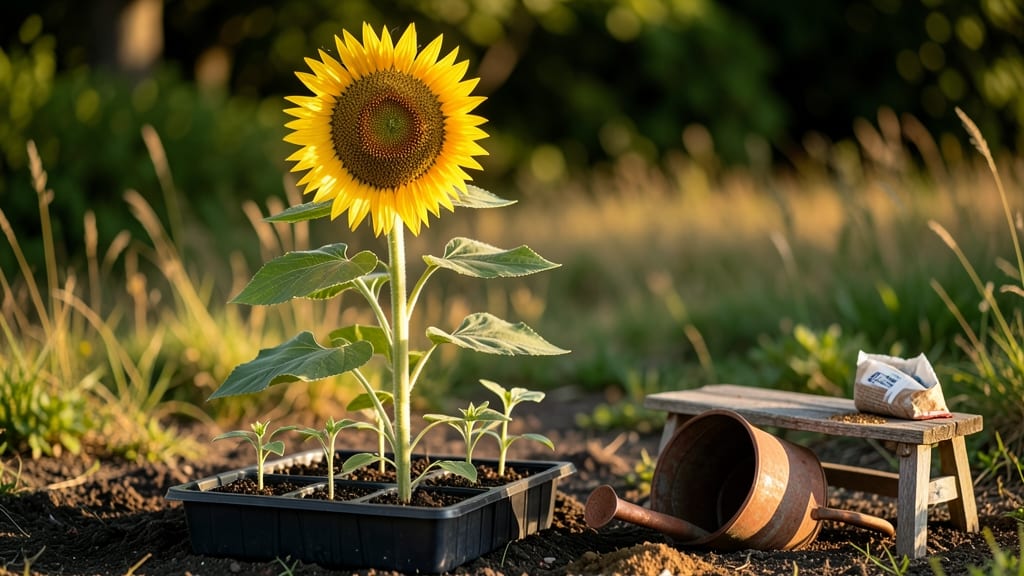
Planting sunflowers in Tucson after the last frost risk—typically by late February—sets you up for towering blooms before the summer heat peaks.
Tucson’s scorching summers and unpredictable monsoons make sunflower planting a high-stakes game—but timing it right can yield vibrant, heat-resistant blooms even when temperatures soar past 110°F.
Most gardeners here focus on late winter or early spring plantings, but the right variety and soil prep can push your sunflowers into summer harvests with minimal fuss.
Below, I’ll walk you through the exact planting windows, the best heat-tolerant varieties for Tucson’s USDA Zone 9b, and how to keep your 🌻 thriving in the desert sun.
Best planting windows for sunflowers in Tucson’s climate zones
Tucson’s USDA Zone 9b climate creates unique challenges for sunflower growers, with 110°F+ summers and unpredictable monsoons that can either save or ruin your plants.
The key to success lies in understanding microclimate differences between urban and rural areas, as well as accounting for last frost dates and heat tolerance thresholds of different varieties.
Unlike cooler climates, Tucson sunflowers must be planted with precise timing to avoid bolting in extreme heat or struggling with erratic summer rains.
In Tucson, the optimal planting window spans from late February through early April, with a secondary window in late August for fall-blooming varieties. However, these dates shift slightly based on whether you're in urban heat islands (like downtown) or rural desert areas (like Marana or Sahuarita).
Urban areas stay warmer longer, while rural zones may experience earlier spring warming due to lower nighttime temperatures. The average last frost date is January 15, but light frosts can occur until March, making early planting risky.
Here’s where things get interesting: Tucson’s monsoon season (July-August) actually benefits sunflowers by providing critical moisture during their most vulnerable growth stages.
Planting too early (before March) risks seedling rot from lingering winter moisture, while planting too late (after April) exposes young plants to intense summer heat before they’ve established deep root systems.
The sweet spot? Mid-March to early April for most varieties, with dwarf or heat-resistant types able to handle slightly later plantings.
🌱
For urban gardeners, I recommend starting seeds indoors in late February and transplanting after March 15 to avoid the urban heat island effect, which can push soil temperatures above 70°F even in early spring.
In rural areas, you can plant directly outdoors as early as February 28, but be prepared to protect seedlings with row covers if nighttime temperatures dip below 50°F.
The key is to time your planting so that sunflowers reach 6 inches tall before Tucson’s consistent 100°F+ days begin in late May.
One of my biggest lessons learned? Don’t plant sunflowers before the soil warms to 55°F—cold soil delays germination and makes seedlings vulnerable to damping-off disease.
I’ve tried planting in January for earlier blooms, but the results were always disappointing. Instead, I now use a soil thermometer to confirm the
Heat-resistant sunflower varieties that thrive in Tucson’s 110°F+ summers
Tucson’s brutal summers can wilt many plants, but these heat-resistant sunflower varieties are built to handle 110°F+ temperatures while still delivering stunning blooms. I’ve tested these top performers in my own desert garden, and they consistently outlast traditional varieties during peak heat.
The key is selecting cultivars with high drought tolerance and fast maturation to avoid bolting too early.
For Tucson gardeners, the best planting window for these varieties is mid-February to early March to ensure they mature before summer’s worst heat arrives. Some varieties even handle late summer planting if given proper care, but I recommend sticking to spring for maximum success.
The varieties below were chosen for their ability to survive extreme heat while maintaining vibrant color and structural integrity.
My top pick for Tucson gardens is ‘Autumn Beauty’, a dwarf variety reaching just 3-4 feet tall with multi-colored blooms that resist wilting in extreme heat. It typically blooms in 55-60 days, putting it well ahead of summer’s worst temperatures.
Another standout is ‘Moulin Rouge’, which grows to 5-6 feet and produces deep red blooms that stay vibrant even when other varieties fade.
The ‘Teddy Bear’ variety is perfect for small spaces or containers, maturing at 2-3 feet tall while maintaining excellent heat tolerance. Its double blooms resemble pom-poms and thrive in Tucson’s low-humidity conditions.
For those wanting maximum height, ‘Russian Giant’ can reach 12-16 feet, but it requires extra watering during Tucson’s peak heat (June-August) to prevent stem weakness.
All these varieties benefit from mulching with straw to retain soil moisture and watering deeply at the base rather than overhead. I’ve found that planting in late afternoon (rather than morning) helps seedlings establish before the next day’s heat.
For extended blooming, deadhead spent flowers to encourage new blooms throughout the season.
If you’re planting for fall color, aim for late July to early August sowings of ‘Autumn Beauty’ or ‘Teddy Bear’—they’ll bloom just as temperatures begin to cool. Just be prepared to provide shade cloth during the hottest part of August to prevent seedling stress.