
Plants
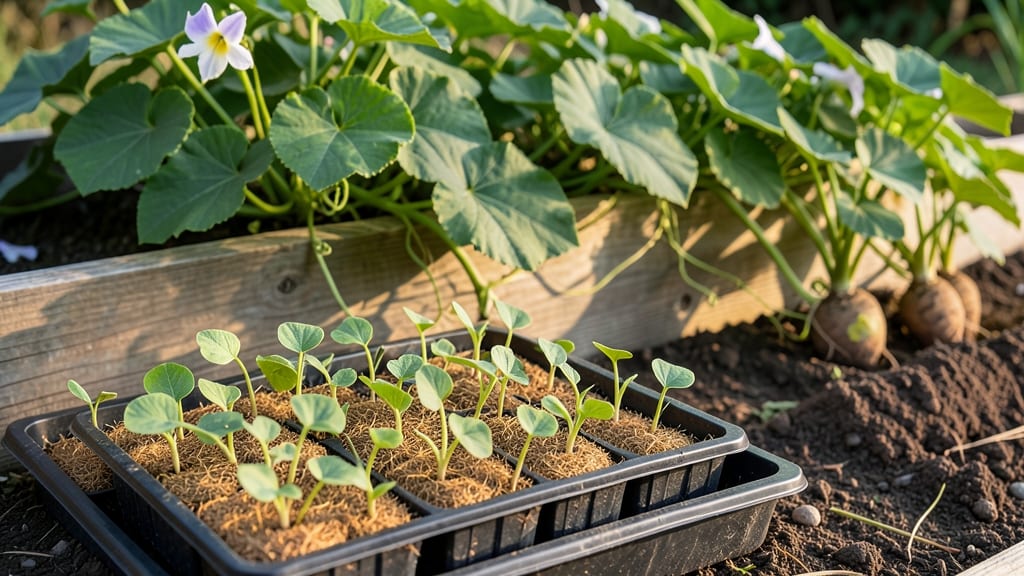
To plant sweet potatoes in Iowa, wait until soil temperatures hit 60°F and all frost risk has passed—usually mid-May to early June.
Iowa’s unpredictable spring weather can make sweet potato planting tricky—but timing it right ensures a sweeter harvest. If you plant too early, those tender slips will wilt in a late frost, and if you wait too long, the growing season shrinks faster than a summer heatwave.
The key is tracking soil temps and local frost-free deadlines.
Sweet potatoes 🍠 thrive in warm soil and long summers, but Iowa’s 5a-5b climate demands patience. Northern regions need to wait until late May, while southern Iowa can start a week earlier. The goal? Give those vines 110 days of warmth before the first frost hits in October.
Here’s what you’ll learn: the exact planting window by region, how to prep soil for faster warming, and which varieties handle Iowa’s short season best. No more guessing—just a foolproof plan for a harvest of golden, starchy sweet potatoes.
Iowa sweet potato planting calendar: soil temperature & frost-free deadlines
Sweet potatoes thrive in warm soil and long growing seasons, making Iowa’s USDA Zones 4-5 a bit challenging. The key to success lies in planting after the last frost when soil temperatures consistently reach 60-65°F.
Northern Iowa’s cooler climate demands earlier preparation, while Southern regions offer slightly more flexibility.
Iowa’s average last frost date ranges from April 15 in the south to May 1 in the north. However, sweet potatoes need 110-140 days to mature, so planting too early risks frost damage. Waiting for soil warmth is more critical than waiting for the last frost date.
Here’s your Iowa sweet potato planting timeline broken down by region and key factors:
| Region | Last Frost Date | Ideal Planting Window | Soil Temp Threshold | Harvest Window |
|---|---|---|---|---|
| Northern Iowa (Zone 4) | May 1 | Mid-May to early June | 60-65°F (consistent) | Late September to early October |
| Southern Iowa (Zone 5) | April 15 | Late April to mid-May | 60-65°F (consistent) | Mid-September to October |
| Statewide Tip | Use a soil thermometer | Plant slips (young plants), not seeds | Wait for 60°F+ for 5+ days | Harvest before first frost |
For Northern Iowa gardeners, mid-May to early June is your sweet spot. Use black plastic mulch to warm the soil faster and extend the season. Southern Iowa growers can start as early as late April, but always verify soil temperatures—cold soil stunts growth and attracts pests.
Sweet potatoes are frost-sensitive, so never plant before the last frost date. Even a light frost can kill young plants. If you’re unsure about your local frost date, check the Iowa State University Extension or use a frost calendar app for real-time updates.
Pro tip: Start slips indoors in late April (6-8 weeks before outdoor planting) using 60°F soil in pots. This gives you a head start on the season. Harden off plants for 1-2 weeks before transplanting to avoid shock.
If you miss the ideal window, consider container growing with heat mats or a greenhouse. Sweet potatoes can tolerate shortened seasons if given enough warmth. Just be prepared to harvest earlier or use faster-maturing varieties like Georgia Jet (90 days).
Remember, soil temperature matters more than air temperature. A sunny day in May might feel warm, but the soil could still be below 60°F. Test it with a thermometer—60°F for 5+ days is your green light to plant.
Once planted, sweet potatoes need full sun (6+ hours daily) and consistent moisture. Mulch heavily to retain heat and suppress weeds. With the right timing, you’ll enjoy a bountiful harvest before Iowa’s first frost in mid-October.
🍠
How to extend Iowa’s short growing season for sweet potatoes
Iowa’s cool summers and short frost-free windows can challenge sweet potato growers, but with the right strategies, you can still enjoy a bountiful harvest. Sweet potatoes thrive in warm soil and long daylight, so extending the season is key. Here’s how I maximize my yield despite Iowa’s unpredictable climate.
First, focus on soil warming and season extension techniques tailored to Iowa’s USDA Zone 5a-5b. The goal is to create a microclimate that mimics a longer growing season while protecting tender plants from late spring frosts and early fall chills.
Let’s dive into actionable methods that work in my garden—and can work in yours too.
- 1. Use black plastic mulch to raise soil temps 10-15°F faster than bare ground.
- 2. Plant early-maturing varieties like Beauregard (90 days) or Georgia Jet (95 days) to finish before frost.
- 3. Stagger plantings every 2 weeks in May-June for a continuous harvest.
- 4. Cover rows with frost blankets if nights dip below 50°F after planting.
- 5. Choose raised beds to warm soil 2-3 weeks earlier than in-ground plots.
Black plastic mulch is my secret weapon for Iowa gardens. Laying it down 2-3 weeks before planting heats the soil to ideal germination temps (60-65°F) much faster than unmulched beds. I always cut X-shaped slits in the plastic to plant slips, which prevents soil compaction and encourages root growth.
For extra warmth, combine it with clear plastic tunnels during early spring.
Another trick I swear by is staggered planting. Instead of planting all at once, I space out my slips every 2 weeks from mid-May through early June. This ensures a continuous harvest rather than one big batch.
For example, my first planting in late May might yield small potatoes by late August, while my June planting gives larger tubers in October. It’s a simple way to extend your harvest window by nearly a month.
Don’t overlook row covers for protecting young plants. Lightweight frost blankets can shield tender foliage from unexpected late frosts (common in Iowa’s Zone 5). I use them at night when temps drop below 50°F and remove them during the day to prevent overheating.
This extra layer of protection gives sweet potatoes a head start before Iowa’s summers fully kick in.
Finally, choose the right varieties—some handle Iowa’s climate better than others. Beauregard and Georgia Jet mature faster than standard varieties, giving them a better chance to bulk up before frost.
I also avoid long-season varieties like ‘Centennial,’ which rarely finish in Iowa’s short summers. Always check the days-to-maturity label when selecting slips or seeds.
With these strategies, I’ve successfully grown sweet potatoes in Iowa’s cool climate for over 5 years. The key is planning ahead, warming the soil, and protecting young plants—all while working with Iowa’s unique growing conditions.
Give them a try, and you’ll be harvesting sweet, homegrown potatoes long after your neighbors’ gardens have gone quiet. 🍠