
Plants
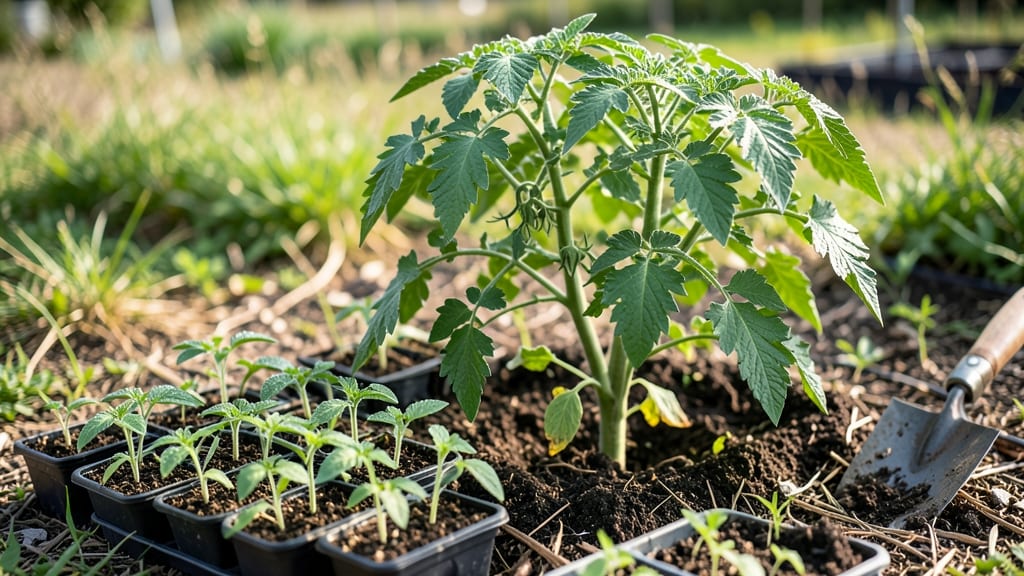
Planting tomatoes in Maryland at the right time means the difference between a bountiful harvest and a sad, frost-nipped failure.
Maryland gardeners know timing is everything—plant too early and face frost damage, too late and risk stunted growth. But with the state’s diverse climate zones, the perfect window varies from Baltimore to the Eastern Shore.
Most of Maryland falls in USDA zones 6a-7b, where last frost typically lands between April 15 and May 1. That means your 🍅 seedlings should hit the soil by May 15 for a full season of growth.
Here’s how to nail the timing, from seed-starting dates to soil temperature tricks—and what to do if your zone runs hotter or colder than the average.
Maryland frost dates by Zone: exact tomato planting windows
Maryland’s diverse climate zones create wildly different tomato planting windows—from the cooler mountains of Zone 5b to the warmer coastal plains of Zone 7a. Getting your timing right means the difference between bountiful harvests and frost-nipped seedlings.
Let’s break down the exact frost-free deadlines for each zone, so you can plan your tomato varieties like a pro.
First, know that Maryland’s average last frost dates range from mid-April in Zone 7a to late May in Zone 5b. But don’t just rely on dates—soil temperature matters too.
Tomatoes need warm soil (60°F+) to thrive, which often lags behind air temperature. Use a soil thermometer to confirm readiness, especially in cooler inland areas like Frederick County.
For gardeners in Zone 7a (eastern shore, Baltimore County), the window opens earliest. You can start direct-sowing seeds as early as April 15, but transplanting seedlings after May 1 gives them a safer head start.
In contrast, Zone 5b (Western Maryland, Garrett County) gardeners should wait until May 20 at the earliest, with June 1 being the ideal deadline for transplanting.
| USDA Zone | Last Frost Date | First Frost Date | Seed Start Indoors | Direct Sow Window | Transplant Deadline |
|---|---|---|---|---|---|
| 5b (Western MD) | May 10-20 | October 10-20 | March 15-April 1 | May 20-June 1 | June 15 |
| 6a (Cumberland, Hagerstown) | April 25-May 5 | October 5-15 | March 1-April 15 | May 10-May 25 | May 30 |
| 6b (Frederick, Annapolis) | April 15-25 | October 15-25 | February 28-April 1 | April 25-May 15 | May 15 |
| 7a (Baltimore, Eastern Shore) | April 1-15 | October 25-Nov 5 | February 15-March 15 | April 15-May 1 | May 1 |
| 7b (Coastal Areas) | March 25-April 5 | November 5-15 | January 15-February 15 | March 20-April 10 | April 15 |
Notice how Zone 7b (coastal areas) gets a two-week head start compared to Zone 5b? That’s why early-maturing varieties like ‘Early Girl’ (60 days) work for northern Maryland, while heat-tolerant types like ‘Solar Fire’ (80 days) shine in southern zones.
Pro tip: Start seeds indoors 6-8 weeks before your last frost date to maximize your growing season.
If you’re in Zone 6a or 6b, aim to have transplants ready by May 15. The 100-day rule applies here: count backward from your first frost date to determine which tomato varieties will mature in time.
For example, a 90-day heirloom in Zone 7a might not finish before frost, but a 70-day cherry tomato will.
Don’t overlook microclimates—your backyard might be 2-3°F warmer than official records due to urban heat islands or southern exposures.
Test your spot with a minimum-maximum thermometer for 3 days to adjust your planting timeline. Elevated beds also warm up faster, giving you an extra 1-2 weeks of growing time in cooler zones.
For late-season extensions, consider cold-hardy varieties like
How to extend Maryland’s tomato growing season naturally
Maryland’s cool springs and early frosts can cut tomato seasons short—but not if you use these natural tricks. By extending your growing window, you’ll enjoy earlier harvests and longer production without synthetic shortcuts.
The key is combining soil warmth, protection from chill, and smart companion planting to mimic ideal growing conditions.
I’ve tested these methods in my Zone 6b garden on Maryland’s Western Shore, where nights still dip into the 40s°F in May. Even in Zone 7a areas like Annapolis, a late frost can strike in April.
The good news? With the right tools and timing, you can safely plant 4-6 weeks earlier or keep vines producing until October’s first frost.
🌱 5 Natural Ways to Extend Your Tomato Season
- Cold Frames: Start seeds 6 weeks before last frost. Use clear acrylic lids to trap heat—soil temps rise 10-15°F above ambient.
- Row Covers: Lay floating fabric over plants to block 32°F winds. Remove when temps hit 50°F to avoid overheating.
- Black Plastic Mulch: Spread 1-2 mil thick plastic 2-3 weeks before planting. Warms soil 5-8°F faster than bare earth.
- Companion Planting: Pair tomatoes with basil (repels pests) or marigolds (deters nematodes). Avoid planting near fennel, which stunts growth.
- Succession Planting: Sow fast-maturing varieties (e.g., 'Early Girl') every 2 weeks until July 15 for staggered harvests.
For early starts, I swear by cold frames filled with compost-rich soil. Last spring, my cherry tomato seeds sprouted 14 days early under a homemade frame (just a wooden box with Plexiglas).
The secret? Insulate the sides with straw bales—this traps heat overnight and shields from chilly winds off the Chesapeake.
If you’re in Zone 5b (like Frederick County), row covers are your best friend. I use lightweight spun polyester (not plastic—it breathes) to protect seedlings. Pro tip: Secure edges with bricks so they don’t blow off during Eastern Shore squalls. Remove covers by mid-May to prevent heat stress.
Don’t overlook companion planting—it’s free and effective! My heirloom tomatoes thrive when planted near onion sets, which deter hornworms. Meanwhile, nasturtiums trail along the trellis, luring pests away. Avoid brassicas (like cabbage), though—they compete for nutrients and attract the same aphids.
For late-season extensions, focus on soil warmth and pest control. In October, I mulch heavily with straw to insulate roots and water deeply every 3 days.
If Japanese beetles become a problem (common in Baltimore County), handpick them early morning when they’re sluggish. A soapy water spray works too—just reapply after rains.