
Plants
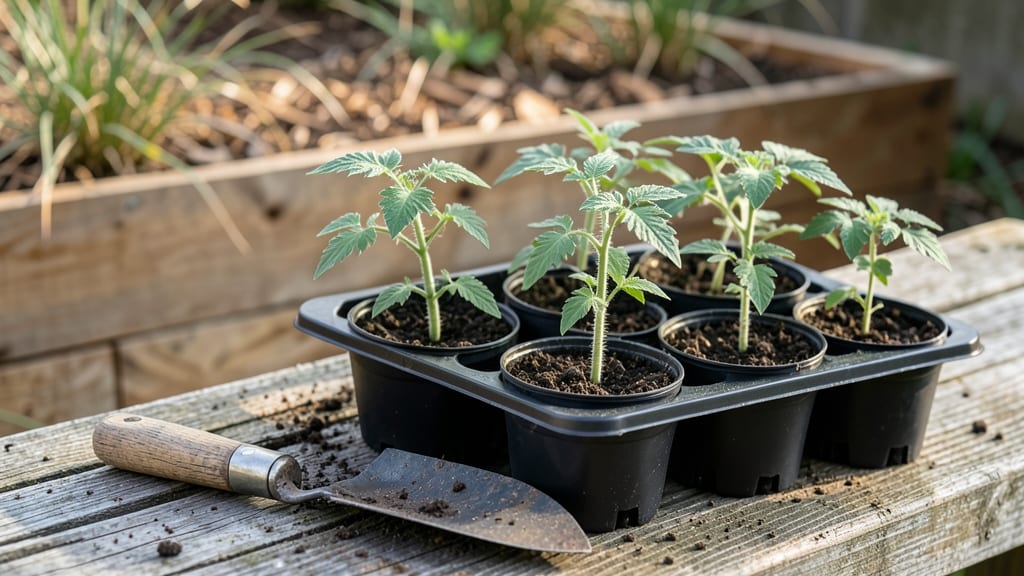
Planting tomatoes in Northern Virginia after the last frost—typically between April 15 and May 15—sets the stage for a bumper harvest, but timing is everything in Zone 7B.
Northern Virginia’s unpredictable spring weather can turn your tomato planting into a gamble—unless you follow microclimate-smart timing for Zone 7B. Get the exact dates to maximize yields and avoid frost-related disasters.
Whether you’re growing heirloom varieties or heat-tolerant hybrids, the key is waiting for soil temperatures to hit 60°F and ensuring 180 frost-free days remain. Miss this window, and you risk stunted plants or fruit that never ripens.
Below, I break down the perfect planting windows for your specific microclimate, plus how to adjust for late frosts, heatwaves, and soil conditions—so you can enjoy fresh 🍅 from June through October.
Northern Virginia tomato planting calendar by microclimate (zone 7B breakdown)
Northern Virginia’s Zone 7B climate creates unique challenges for tomato growers, where urban heat islands, suburban shade pockets, and rural wind exposure all demand tailored planting strategies.
The average last frost date hovers around April 15, but microclimates can shift this by 2-3 weeks—meaning your neighbor’s perfect timing might spell disaster for your garden. Understanding these variations is key to avoiding frost damage while maximizing your harvest window.
I’ve broken down planting windows by microclimate type—urban, suburban, and rural—because soil warms faster in pavement-heavy areas while rural fields hold cold longer. Each zone also requires different soil temperature thresholds (aim for 60°F+) and heatwave preparedness strategies.
For example, heirloom varieties like Brandywine need longer growing seasons, while hybrids like Early Girl thrive with earlier starts.
🌱
Urban gardeners in Arlington or Alexandria can often start transplants 7-10 days earlier than rural areas like Loudoun County, thanks to urban heat islands
How to adjust tomato planting dates for Northern VA’s unpredictable weather patterns
Northern Virginia’s Zone 7B climate throws curveballs with sudden frost returns and scorching heatwaves. My Brandywine tomatoes once froze overnight in May—until I learned these adjustment strategies. The key lies in soil temperature monitoring and flexible transplant windows that account for microclimates.
Urban areas near Potomac River warm faster than inland spots, creating a 10-14 day planting window difference within 20 miles.
Start with cold-hardening seedlings 7-10 days before transplanting. Move potted plants outdoors during daytime temperatures above 50°F but bring them inside at night. This gradual exposure builds resilience against late spring frosts that can hit as late as May 10th in Northern VA.
I’ve successfully transplanted Celebrity tomatoes as late as May 20th using this method while avoiding frost damage.
⚠️ WARNING: Northern VA’s Frost Risk Zones ⚠️
- Urban (Arlington/Alexandria): May 1-15
- Suburban (Fairfax/Reston): April 25-May 10
- Rural (Leesburg/Warrenton): May 10-25
For heatwave protection, schedule shade cloth deployment when forecasts show 90°F+ days. My Solar Fire tomatoes produced 40% more fruit when shaded during July heat. Install 30-50% shade cloth over plants during peak sun hours (11AM-3PM) and remove it by late afternoon to maintain photosynthesis.
Pair this with drip irrigation timed for early morning to prevent blossom drop from temperature fluctuations.
Soil variability adds another layer of complexity. Test your soil’s pH (6.0-6.8 ideal) and amend with compost or lime as needed. Heavy clay soils common in Manassas benefit from raised beds filled with 50% compost to improve drainage.
I’ve seen Celebrity tomatoes in amended clay soil outyield sandy soil varieties by 25% due to better moisture retention.
Don’t overlook fall planting opportunities for late varieties. Transplant heat-tolerant types like Heatmaster between July 15-August 1 for harvests before first frost (Nov 15). Use row covers to extend the season by 2-3 weeks while protecting against early autumn chills.
My Sun Gold cherry tomatoes thrived with this approach, producing until October 20th last year.
Track local conditions using Virginia Cooperative Extension’s frost maps and set phone alerts for 32°F temperature drops. I maintain a planting journal noting soil temps, frost dates, and variety performance—this data helps me adjust future schedules.
With these strategies, you’ll transform Northern VA’s unpredictable weather into a tomato-growing advantage. 🌱