
Plants
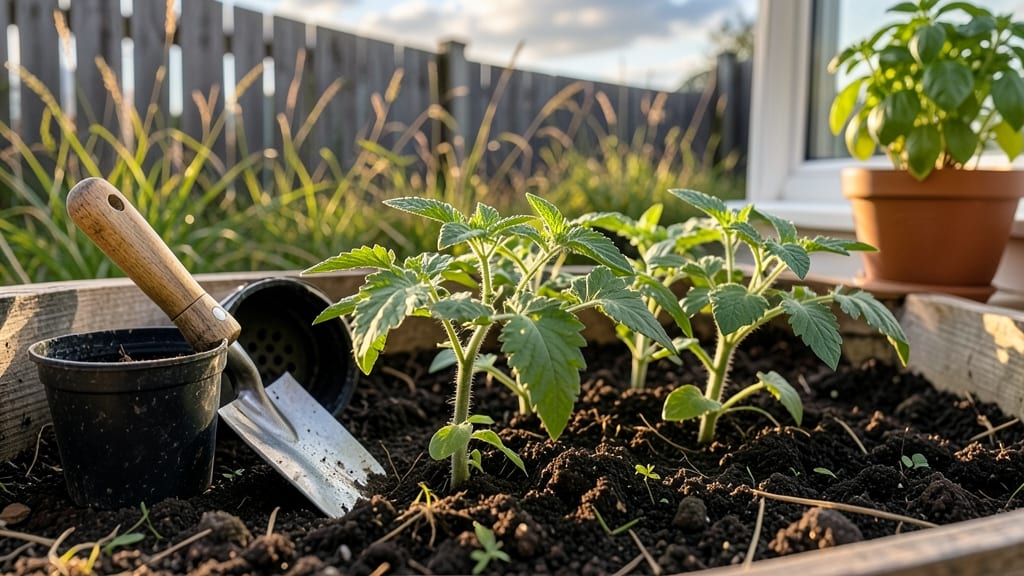
Planting tomatoes in Rhode Island after the last frost — typically around April 15 — is the key to avoiding wilted seedlings and maximizing your harvest before fall sets in.
Rhode Island’s unpredictable spring weather can turn tomato gardening into a gamble—but timing your plants just right ensures a thriving harvest instead of wilted disappointment. Skip the guesswork and learn the exact window for planting tomatoes in RI’s unique climate zones.
Here’s the game-changer: soil temperature matters more than calendar dates. Aim for 60°F or warmer, which usually aligns with late April to mid-May in most of the state. In cooler microclimates near Narragansett Bay, you might need to wait until early May.
Below, I’ll break down the ideal planting schedule by zone, how to adjust for early starts, and the one trick that extends your harvest into October—no matter how early the first frost arrives.
Rhode Island’s tomato planting timeline by hardiness Zone (with heat tolerance guide)
Rhode Island’s USDA Zones 5b-7a create a unique challenge for tomato growers—cool coastal breezes in Zone 6b (like Narragansett) clash with warmer inland areas in Zone 7a (e.g., Westerly). The key? Planting at the right soil temperature (60°F+) and avoiding late spring frosts that can devastate young seedlings.
My 10-year RI garden taught me that even a 2-week delay can mean the difference between a bountiful harvest and a failed crop.
Most RI gardeners rely on transplanted seedlings (not direct sowing) because our short growing season demands a head start. Start seeds indoors 6-8 weeks before your last frost date—typically mid-March to early April—then harden them off before transplanting.
For cherry tomatoes, which mature faster, you can push the envelope slightly later, while heirloom beefsteaks need the earliest possible start.
Here’s the zone-specific breakdown you need to avoid common mistakes like blossom drop (caused by sudden heat) or stunted growth from cold soil. Use this as your RI tomato planting GPS:
Notice how Zone 7a can plant 3 weeks earlier than Zone 5b? That’s why I always check the RI Weather Center’s frost predictions (they publish updated dates in early April).
For cherry tomatoes, you can sometimes squeeze in a late July transplant for a fall harvest, but avoid this with heirlooms—they need the full growing season.
One of my biggest RI tomato lessons: Soil temperature matters more than air temperature. A 65°F air temp with 50°F soil will stunt roots. Use a soil thermometer (just $10) to confirm readiness.
If your soil is below 60°F, wait—even if the calendar says it’s "safe." I’ve seen seedlings wilt overnight from cold soil, and recovery is nearly impossible.
For heat tolerance, RI’s summers can swing from 75°F to 90°F+ in a week. If temps hit 85°F+, tomatoes may drop blossoms (a common issue in Zone 7a).
To prevent this, I:
- Mulch heavily (straw or black plastic) to keep roots cool
- Prune lower leaves for airflow
- Avoid overwatering (stick to deep watering every 2–3 days)
- Choose heat-set varieties like 'Celebrity' or 'Better Boy'
Pro tip: If you’re in Zone 6a or cooler, consider staggered planting. Sow a
How to extend Rhode Island’s short growing season for tomatoes (cold frame hacks & succession planting)
Rhode Island’s 165-day growing season can feel like a race against time for tomato lovers. With the right strategies, you can push harvests from early July all the way to October—even in cooler coastal areas.
The secret lies in cold frames, row covers, and smart variety selection that thrive in RI’s brief summer heat.
My favorite trick is using a low-tunnel cold frame made from PVC pipes and clear plastic. This extends the season by 3-4 weeks on either end by trapping warmth. For late-season tomatoes, I plant heat-tolerant varieties like 'Solar Fire' or 'Heatmaster' that keep producing even as temperatures dip below 80°F.
When to Plant Tomatoes in Rhode Island
- Start indoor seeds by March 15 for early transplanting
- Use black plastic mulch to warm soil 2-3 weeks faster
- Row covers protect from late frosts (up to 28°F)
- Succession planting every 2 weeks ensures continuous harvests
- Late frosts in Narragansett Bay can delay planting until May 1
- Humidity increases disease risk (early blight, fusarium wilt)
- Cooler inland areas need heat-loving varieties only
- Cold frames require daily monitoring to prevent overheating
For succession planting, I stagger my tomato varieties in 3-week intervals starting April 15. This means I plant early-season types like 'Stupice' alongside mid-season 'Better Boy' and late-season 'Brandywine'. The result? A continuous harvest from July through October.
Don’t overlook row covers made from lightweight fabric. These can raise soil temperatures by 5-8°F and protect young plants from late spring frosts that frequently hit RI gardens. I’ve used them successfully until the first week of June, even in coastal Providence.
When selecting varieties, prioritize determinate types for cold frames—they produce fruit faster and handle cooler temperatures better. My go-to is 'Patio Princess' (compact) for containers and 'Mountain Merit' (disease-resistant) for in-ground planting. For late harvests, 'Celebrity' tomatoes are my top pick—they ripen in just 68 days and tolerate cooler temps.
Remember to harden off seedlings for 10-14 days before transplanting, especially if using cold frames. Gradually expose them to outdoor conditions to prevent shock. With these techniques, I’ve extended my tomato season by 6 weeks—proving that RI’s short summer doesn’t have to mean a short harvest. 🌱