
Plants
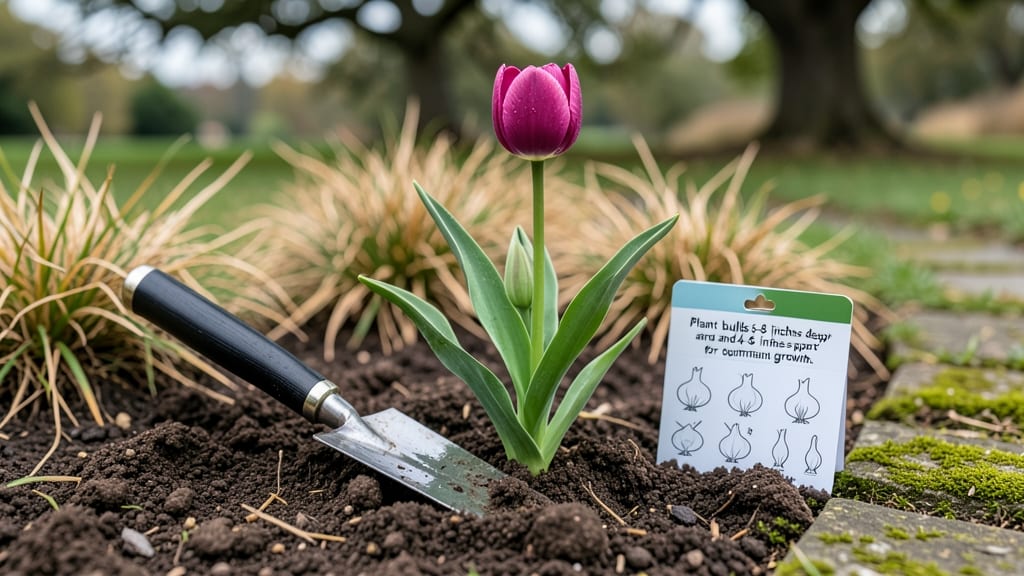
Planting tulips in Nova Scotia between September and November ensures they root before the ground freezes, giving you vibrant blooms next spring 🌷 — but timing is everything in this climate.
Nova Scotia’s unpredictable winters and coastal winds mean one wrong move could leave your tulip bulbs frozen or your blooms stunted. I’ve seen showstopping gardens in Halifax go from lush to lifeless when planted too late, and the difference often comes down to knowing your exact frost deadline.
Whether you’re in Zone 5b or the cooler coastal areas, the key is planting 4-6 weeks before the ground freezes—typically by mid-November. But what if you miss that window?
Don’t worry; I’ll show you how to push the deadline with mulch, containers, and other tricks that work even in Nova Scotia’s short growing season.
By the end of this guide, you’ll know not just when to plant, but how to choose the right varieties, prep your soil, and troubleshoot common mistakes—so your tulips thrive year after year.
Nova Scotia’s frost-free deadline for planting tulips by hardiness Zone
Nova Scotia’s cool maritime climate creates unique challenges for tulip growers. Unlike inland areas, coastal regions like the Annapolis Valley experience milder winters, while inland zones like the South Shore face earlier frosts. To avoid frozen bulbs or missed blooms, timing is everything.
The key is planting 4-6 weeks before the ground freezes, but your exact deadline depends on your USDA hardiness zone and microclimate.
Most of Nova Scotia falls within USDA Zones 5b and 6a, but coastal areas (like Halifax) can push into Zone 6b. Inland regions, especially near the Bay of Fundy, often see earlier frost dates by 1-2 weeks.
Always check your local last frost date—this is your planting deadline anchor. For example, if your last frost is October 15th, aim to plant by September 15th to give bulbs time to root before winter.
To find your exact deadline, check Environment Canada’s historical frost data for your town. For example, Yarmouth (Zone 6a) typically sees its last frost around October 20th, giving gardeners until early October to plant.
Meanwhile, Truro (Zone 5b) usually freezes by October 10th, so aim to finish by September 20th. Coastal areas like Sydney can sometimes push deadlines into early November due to warmer ocean currents.
If you’re unsure about your zone, use the Nova Scotia Garden Guide (available from the Nova Scotia Agriculture website) or ask local nurseries. They’ll know if your yard is a frost pocket or benefits from coastal moderation.
For instance, gardens near Bedford Basin often have 2-3 weeks longer planting windows than those in the Annapolis Valley.
For late planters, focus on hardy varieties like Darwin Hybrids or Fosteriana tulips, which tolerate colder soils. Plant these as late as mid-November in sheltered spots, but prioritize well-draining soil to prevent bulb rot.
Always plant bulbs 6-8 inches deep—this insulation helps protect them from shallow freezes.
Pro tip: Mark your planting deadline on your calendar and set a reminder. If you’re still shopping for bulbs after your zone’s deadline, consider container growing—pots can be moved to protected spots or even indoors during extreme cold snaps.
Just ensure containers have drainage holes to prevent waterlogged soil, which can kill bulbs even in winter.
Remember, soil temperature matters more than air temperature. Use a soil thermometer
Best tulip varieties for Nova Scotia’s climate and when to plant them
Nova Scotia’s harsh winters demand hardy tulip varieties that survive Zone 5b-6 conditions. The key is choosing late-blooming types that establish roots before frost, like Darwin Hybrids and Fosteriana. These varieties not only endure freezing temperatures but also deliver stunning spring blooms when other gardens are still dormant.
Timing is everything in Nova Scotia. Plant bulbs 6-8 weeks before your first hard frost (typically mid-October). For early spring blooms (May), opt for Fosteriana or Greigii varieties. If you prefer late spring blooms (June), Darwin Hybrids and Parrot tulips are ideal choices that thrive in coastal climates.
| Variety | Bloom Time | Planting Window | Bulb Size | Notes |
|---|---|---|---|---|
| Darwin Hybrid (e.g., 'Paul Scherer') | Late Spring (June) | Mid-Sept - Early Oct | 12-16 cm | Tall, sturdy stems; deer-resistant |
| Fosteriana (e.g., 'Red Emperor') | Early Spring (May) | Late Sept - Mid-Oct | 15-20 cm | Large, early blooms; cold-hardy |
| Greigii (e.g., 'Red Riding Hood') | Mid-Spring (May) | Mid-Sept - Early Oct | 10-15 cm | Striped petals; thrives in rocky soil |
| Parrot Tulip (e.g., 'Black Parrot') | Late Spring (June) | Early Oct - Mid-Oct | 12-16 cm | Exotic, ruffled blooms; needs staking |
| Fringed Tulip (e.g., 'Queen of Night') | Early Spring (May) | Late Sept - Early Oct | 10-14 cm | Unique fringed edges; compact |
For coastal Nova Scotia gardens, prioritize Fosteriana and Greigii varieties—they handle salt spray and wind exposure better than others. Plant bulbs 6-8 inches deep in well-draining soil to prevent rot during wet winters. Add a 2-inch layer of mulch after planting to insulate bulbs from temperature swings.
If you’re planting in inland areas with colder microclimates, choose Darwin Hybrids or Parrot tulips. These varieties establish stronger root systems before winter, making them ideal for Zone 6 regions like Annapolis Valley. Always plant bulbs 4-6 weeks before your local frost date to ensure they root properly.
Pro tip: Label your tulip varieties immediately after planting. Nova Scotia’s short growing season means blooms appear quickly, and you’ll want to identify each type for future planning. Use biodegradable labels that won’t harm emerging shoots in spring.
With the right tulip varieties and planting timing, your Nova Scotia garden can burst into color from May through June, even after brutal winters. Start with 3-5 bulbs per variety to test what thrives best in your specific microclimate—then expand next season! 🌷